Master the key points of osmanthus tree cultivation techniques for a tree full of blooms and strong fragrance
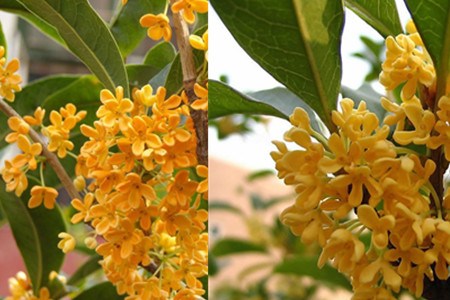
The osmanthus tree (Osmanthus fragrans) is an evergreen tree or small tree of the genus Osmanthus in the family Oleaceae, with a rounded crown and dense branches and leaves. When it blooms in autumn, its fragrance is rich, and it is a traditional ornamental tree species and spice tree species in our country. Common cultivated varieties include Jingu, Yingui, Dangui, and Sijigui. Jingu has golden-yellow flowers and a relatively strong fragrance, Dangui flowers tend toward orange-red, and Sijigui can bloom multiple times a year; each has its own characteristics.
For cultivating osmanthus trees, it is best to choose a sunny, higher-elevation location with good drainage. The soil should preferably be loose, fertile, slightly acidic sandy loam; heavy, waterlogged, and saline-alkaline land is not conducive to growth. Transplanting is mostly done before bud break in spring or in autumn. Lifting the seedlings with a soil ball can improve the survival rate. After planting, water thoroughly to settle the roots, and provide appropriate shade during the recovery period to avoid strong sun exposure.
In daily care, osmanthus likes moisture but fears waterlogging. Watering should follow the principle of watering when dry and stopping when wet, and drainage should be timely during the rainy season. Fertilization should mainly use decomposed organic fertilizer. Apply a fertilizer to promote shoots in early spring, and supplement phosphorus and potassium fertilizer before flowering, which helps produce more flowers and stronger fragrance. Pruning is generally done after flowering, cutting off dead branches, diseased branches, and overly dense branches to keep the crown ventilated and light-permeable.
Propagation commonly uses methods such as cuttings, grafting, layering, and sowing, among which cuttings and grafting are more commonly used and can better maintain the characteristics of the mother variety. During care, if leaves turn yellow, it is mostly related to soil being too alkaline, overwatering, or lack of nutrients, and timely targeted adjustments are needed. Common pests include scale insects, red spider mites, and others. Once found, pesticides should be sprayed as early as possible for control, and ventilation should be strengthened.
Related Reading