Balsam Seed Sowing Methods and Key Points for Harvesting and Storing
Balsam seeds are the seeds produced by the balsam (Impatiens balsamina), a common annual herbaceous flower. The fruit is a spindle-shaped capsule, and once ripe, the pod bursts open at the slightest touch, flinging the seeds far away. This is why balsam is also known among gardeners by nicknames such as "impatient one" and "don't touch me." The seeds are tiny, nearly round, and mostly dark brown when mature.
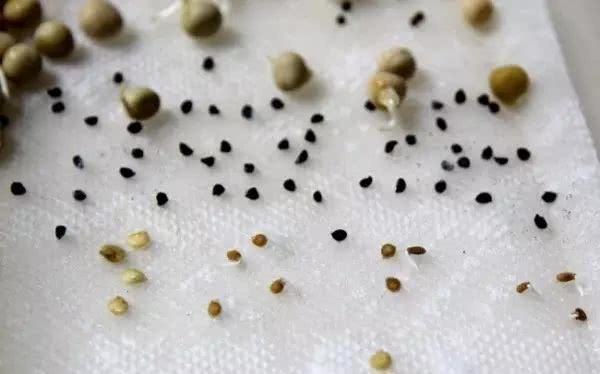
Sowing is generally done in spring, after temperatures have steadily warmed up. Before sowing, the seeds can be soaked in warm water for a few hours, then evenly scattered over loose soil, covered with a thin layer of soil, and watered thoroughly. In a warm, humid environment, the seeds sprout and emerge quickly. During the seedling stage, thin them out and give them appropriate light, and the plants will bloom and set seed within the same year.
Timing matters when harvesting seeds: the best moment is when the pods turn from green to yellow. If you harvest too late, the pods split open on their own and the seeds scatter and bounce away, making them very hard to collect. Spread the harvested pods out to dry, shell out the seeds, put them in a paper bag, and store them in a cool, dry, well-ventilated place. Take them out the following spring to sow. Balsam also self-seeds readily; seeds that drop to the ground from plants grown in beds often sprout into new seedlings on their own the next year.
Balsam flowers come in a rich range of colors, with red, pink, purple, and white all common. In the past, people often crushed the petals and used them to dye their fingernails, which is why the plant is also called "henna flower." Propagating balsam from seed is low-cost, and both germination and growth are fairly easy, making it well suited to beginners and to parent-child gardening projects.
Related Reading