After aloe flowers wither, collect the seeds; growing them by sowing takes 5 years to bloom
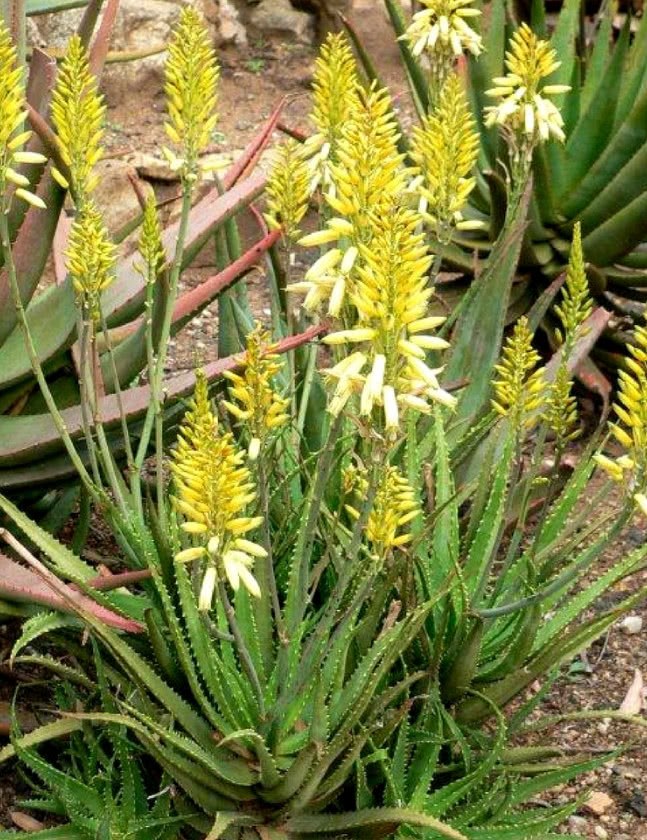
Today I want to introduce aloe propagation by seed. Aloe can not only bloom, but if pollination succeeds, it can also bear fruit. The aloe seeds are wrapped in a small seed pod, and you need to wait until the pod withers before picking it off, then store it in a cool, dry place until sowing.
Aloe is actually a succulent, so of course it can bloom and bear fruit. For the collected seeds, you need to choose a suitable seedling tray and prepare loose, well-draining soil. You can use river sand mixed with perlite, and add some peat moss to retain water, and then you can use this to grow aloe seeds.
Scatter the aloe seeds directly on the surface of the soil, then cover them with a relatively thin layer of potting soil, about 1 cm.
After that, water slowly and thoroughly, using a gentle stream. After watering thoroughly, cover with a layer of clear plastic bags.
Once this is done, place the seedling tray in a warm, humid environment, keeping a little heat and a little scattered light. During this time, ventilate appropriately to prevent the seedlings from rotting.
The seeds generally take about 10 to 30 days to successfully germinate. After the aloe seeds germinate, gradually expose them to light.
However, growing aloe from seed is not very practical. If you want to propagate aloe by sowing, the success rate is not very high, and you also have to consider the issue of repotting and transplanting. If you want it to grow into a flowering plant, it takes 5 to 10 years.
In the early stage, aloe seedlings need the potting soil kept slightly moist. After they gradually receive light, reduce watering. They like plenty of sunlight. At first, give them scattered light in the morning and evening, and once they grow sturdier, you can give them direct light.
Aloe seedlings are generally grown for three months, and after about a year they can be transplanted, depending on whether they have grown 3 to 4 leaves.