Autumn eggplant cultivation: focus on seedling raising, transplanting and field management
Autumn eggplant cultivation refers to a cropping method in which eggplants are raised as seedlings in summer and harvested in autumn. It mostly makes use of plots after spring and summer crops have been harvested, and can effectively fill the gap in the autumn vegetable supply. Because the early growth stage falls in the hot, rainy season and temperatures gradually drop later on, the cultivation and management methods differ noticeably from those for spring-crop eggplants.
For varieties, it is best to choose types with strong heat tolerance, disease resistance and good adaptability. Before sowing, the seeds can be soaked and disinfected to reduce seedling-stage diseases. During seedling raising, light is intense and temperatures are high, so a shade net can be set up over the seedbed to provide suitable shading and cooling, while also paying attention to preventing waterlogging and aphids. When the seedlings reach a suitable age, transplant them on a cloudy day or in the evening, which helps them recover and survive.
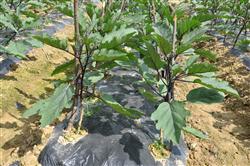
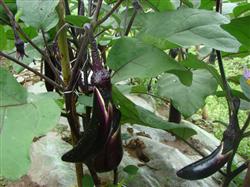
After transplanting, water thoroughly to help the seedlings recover, and combine this with intertillage loosening of the soil to conserve moisture and promote rooting. Once the first fruit has set, the plant enters the fruiting stage, and its fertilizer and water needs increase markedly, so fertilizer and water should be applied in several rounds to prevent premature aging of the plant. For pruning, the two-stem or three-stem method is generally used, removing old and diseased lower leaves in time to improve ventilation and light penetration, and setting up supports when necessary to prevent the plants from lodging.
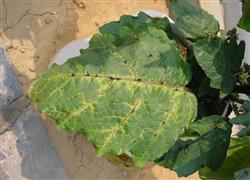
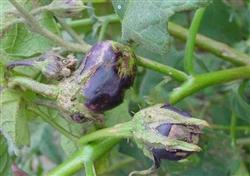
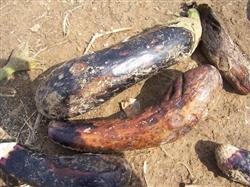
In autumn, during hot and dry periods, flower and fruit drop is common, and fruits are also prone to developing into stiff or stone eggplants. This can be alleviated by reasonable watering to lower the temperature, balanced fertilization and supplementation with secondary and trace elements; yellowing of old leaves in the mid-to-late growth stage is often related to magnesium deficiency, so timely foliar fertilizer supplementation is advisable. In addition, attention should be paid to the control of pests and diseases such as red spider mites, broad mites and Phytophthora blight, with scientific pesticide use to ensure the safety of harvested fruit.
Related reading