Control Methods for Stone Eggplant in Summer and Autumn Eggplant
How to prevent stone eggplant in summer and autumn eggplant? Please provide an introduction to the causes and control methods. Stone eggplant in summer and autumn eggplant is mainly caused by the following factors: too early flower treatment or too high a concentration of the flower treatment solution. When temperatures are low in winter, the concentration of the flower treatment solution is relatively high, and when temperatures are high in summer, the concentration of the flower treatment solution is relatively low. According to the concentration used in winter...
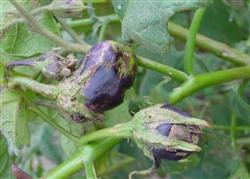
How to prevent stone eggplant in summer and autumn eggplant? Please provide an introduction to the causes and control methods
Stone eggplant in summer and autumn eggplant is mainly caused by the following factors:
Too early flower treatment or too high a concentration of the flower treatment solution. When temperatures are low in winter, the concentration of the flower treatment solution is relatively high, and when temperatures are high in summer, the concentration of the flower treatment solution is relatively low. If the concentration of the flower treatment solution used in winter is applied to summer eggplant, the concentration will inevitably deviate greatly, leading to the occurrence of "stone eggplant." In addition, when treating flowers, vegetable growers are accustomed to treating all of them at once to save time and effort, and some plants have their flowers treated before they even open, resulting in treatment that is too early and causing more "stone eggplant." Generally, treating flowers one day before flowering or on the day of flowering is most suitable.
Night temperature too high. During the day, the temperature inside the greenhouse is relatively high, and the walls store a large amount of heat. At night, the walls release heat, and the greenhouse temperature being too high causes poor flower bud differentiation, producing "stone eggplant."
Ammonium nitrogen too high. An excessively high ammonium nitrogen content in the soil will inhibit the root system's absorption of potassium. Potassium has the effect of promoting photosynthesis and the transport of photosynthetic products, promoting fruit expansion, and improving quality. Therefore, experts believe that attention should be paid to balanced fertilization and topdressing with potassium fertilizer.
Soil drought. When the soil is dry, the root system absorbs less water, nutrient transport is hindered, affecting the normal growth of the plant, leading to insufficient nutrient supply, and "stone eggplant" can also occur. Therefore, attention should be paid to rational watering.
Click to get more eggplant cultivation techniques
Click to get more vegetable cultivation techniques