The key to growing flowers at home lies in light, watering and environmental management
Growing flowers at home refers to the activity of planting and caring for various ornamental plants in a living environment, covering balconies, windowsills, living rooms and many other spaces. It beautifies the home and lifts the mood, and it also lets people get close to nature in the midst of a busy life, making it a very popular lifestyle in recent years.
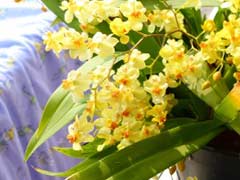
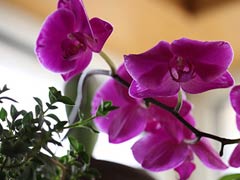
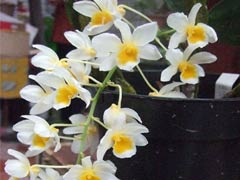
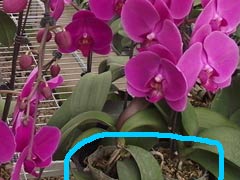
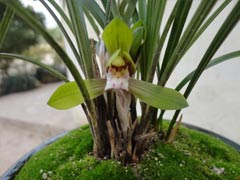
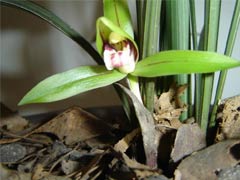
There are many kinds of flowers suitable for growing at home, and they can be roughly divided into three major categories: flowering, foliage and succulents. Among the flowering types, orchid family plants such as Phalaenopsis, Oncidium, Dendrobium and Cymbidium goeringii are especially loved by home growers for their elegant blooms and long flowering periods; foliage types such as pothos and spider plant are easy to care for and tolerate shade; succulents are small and take up little space, making them suitable for placing on a windowsill.
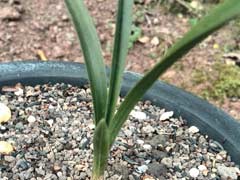
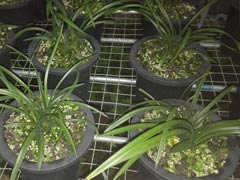
In terms of care, the key points to focus on are light, watering, growing medium and temperature. Most flowering plants like bright, indirect light, so provide some shade in summer; when watering, follow the principle of watering when dry and letting the medium dry out between waterings, and avoid water accumulating in the pot, which causes root rot; the growing medium should be loose and airy, and orchids are commonly grown in sphagnum moss, bark and similar materials; keep plants warm in winter and well ventilated in summer.
The problems beginners encounter most often are root rot caused by watering too frequently, and leggy growth or failure to bloom caused by insufficient light. When yellow leaves appear, first check the three areas of water, fertilizer and environment, and if necessary prune diseased leaves and improve ventilation. As long as you build up experience step by step, the flowers in your home will keep getting better.
Related reading