What Are Variant Koi? An Introduction to the Unique Category of Koi Varieties
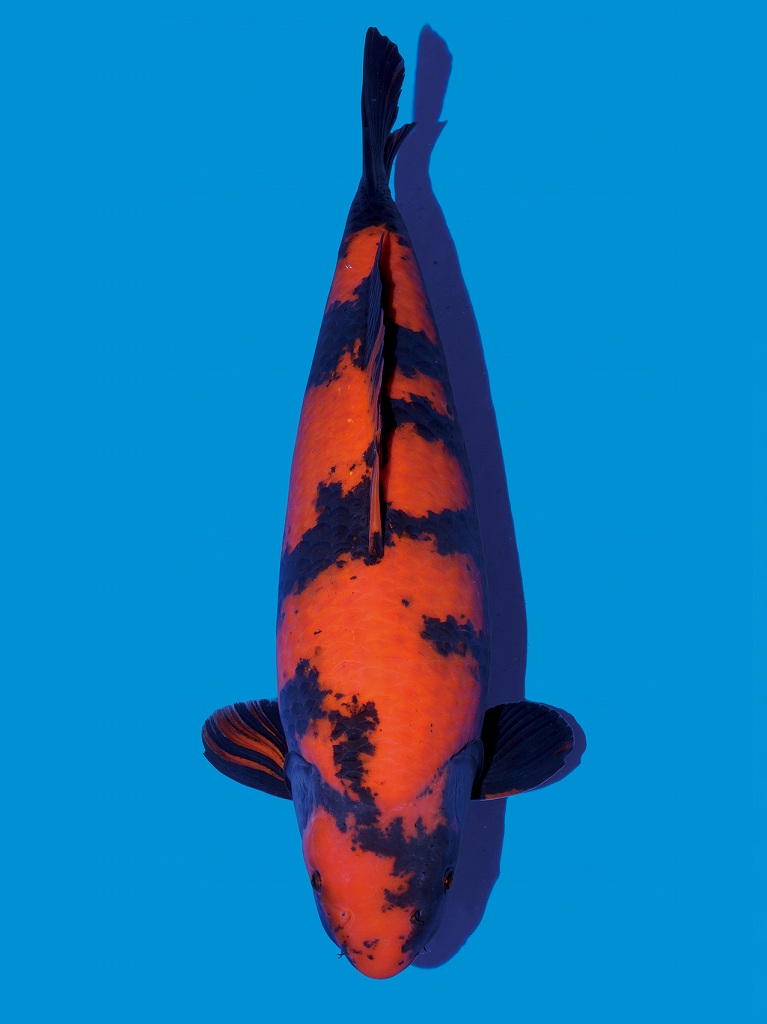
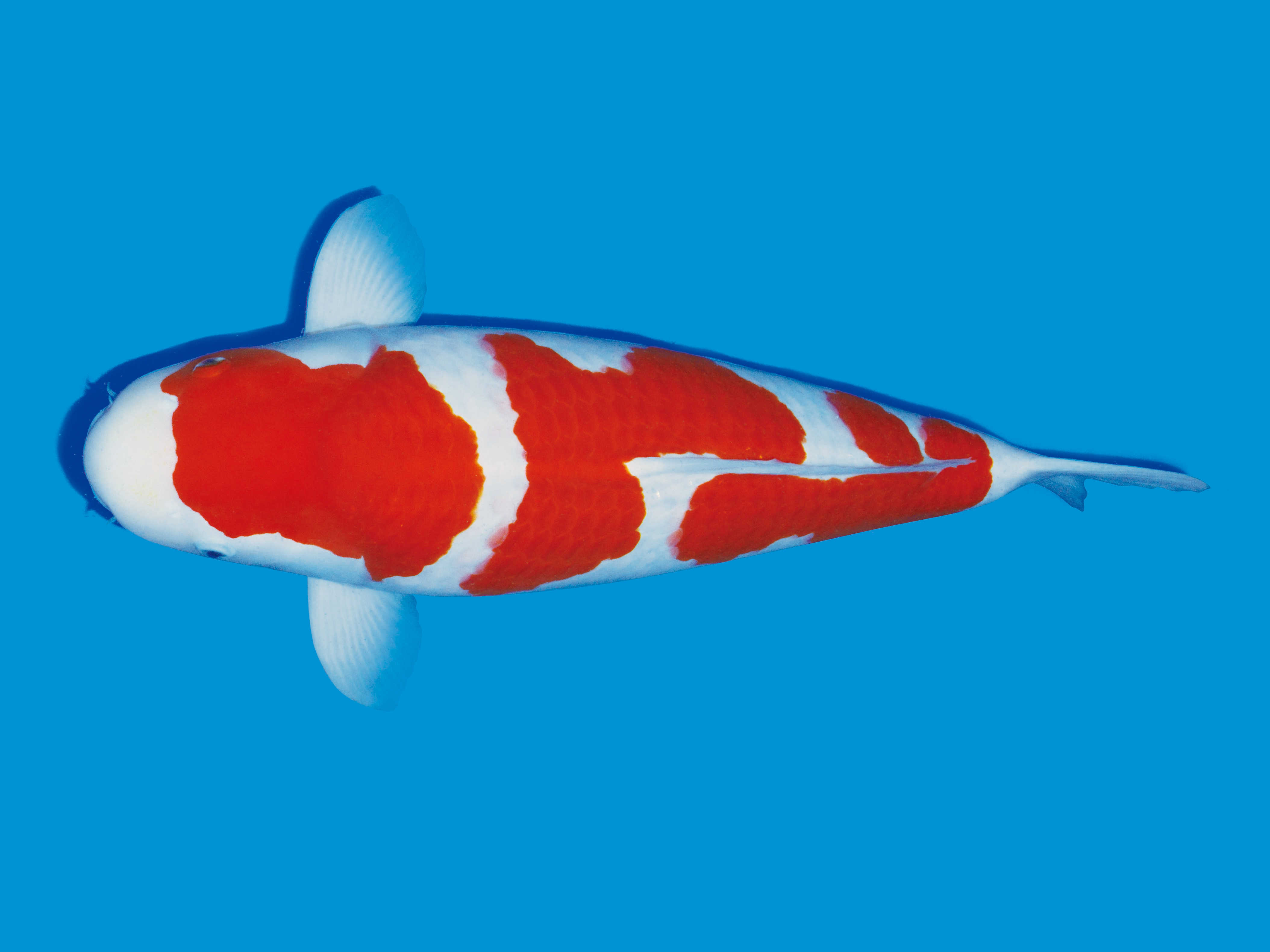
Variant koi is a category in the koi classification system, broadly referring to those koi that are difficult to place into the major strains such as Kohaku, Taisho Sanke, and Showa Sanshoku. These fish often show body color, markings, or sumi (black) quality distinctly different from other strains, with a unique style, and they hold a special place in koi appreciation.
Common variant koi include the Karasugoi (black koi), Kigoi (yellow koi), Chagoi (tea-colored koi), Midorigoi (green koi), and Kumonryu. The Karasugoi is charcoal black all over with a composed air; the Kigoi has a bright body color, like gold or satin; the Chagoi shows a gentle tea-brown hue and is relatively people-friendly in temperament; the Kumonryu is known for its black-and-white sumi patches and patterns that change as it grows.
In terms of keeping, variant koi have habits similar to ordinary koi, preferring water rich in dissolved oxygen and clean in quality, with a strong appetite when the water temperature is suitable. In daily feeding, you can offer specialized compound feed, supplemented with a small amount of plant-based bait, sticking to fixed times and amounts to avoid leftover food polluting the water. When keeping them together, they can share a pond with koi such as Kohaku and Taisho Sanke, but take care that the difference in individual body size is not too great.
In daily management, watch out for common problems such as white spot disease and parasites. Before new fish enter the tank, it is best to acclimate them to temperature and water and carry out appropriate quarantine. If you find koi lying on the tank bottom for a long time, losing appetite, or showing abnormalities on the body surface, check the water quality promptly and take corresponding measures. Only by keeping the environment stable can variant koi grow healthily and develop increasingly beautiful coloration.
Related Reading