Koi Lying at the Bottom of the Tank with Suspected Red Worm Parasite Disease: Prevention and Treatment Methods
Red worms, also known as Philometra, are called red worms because their bodies are slender and bright red. Thekoifishdisease caused by them is called red worm disease. Red worms can be divided into two types: the carp red worm and the crucian carp red worm. The following mainly introduces the characteristics of carp red worm disease:
The carp red worm mainly harms carp. The female worm generally coils and parasitizes beneath the scales of the carp, causing the scales to bulge.
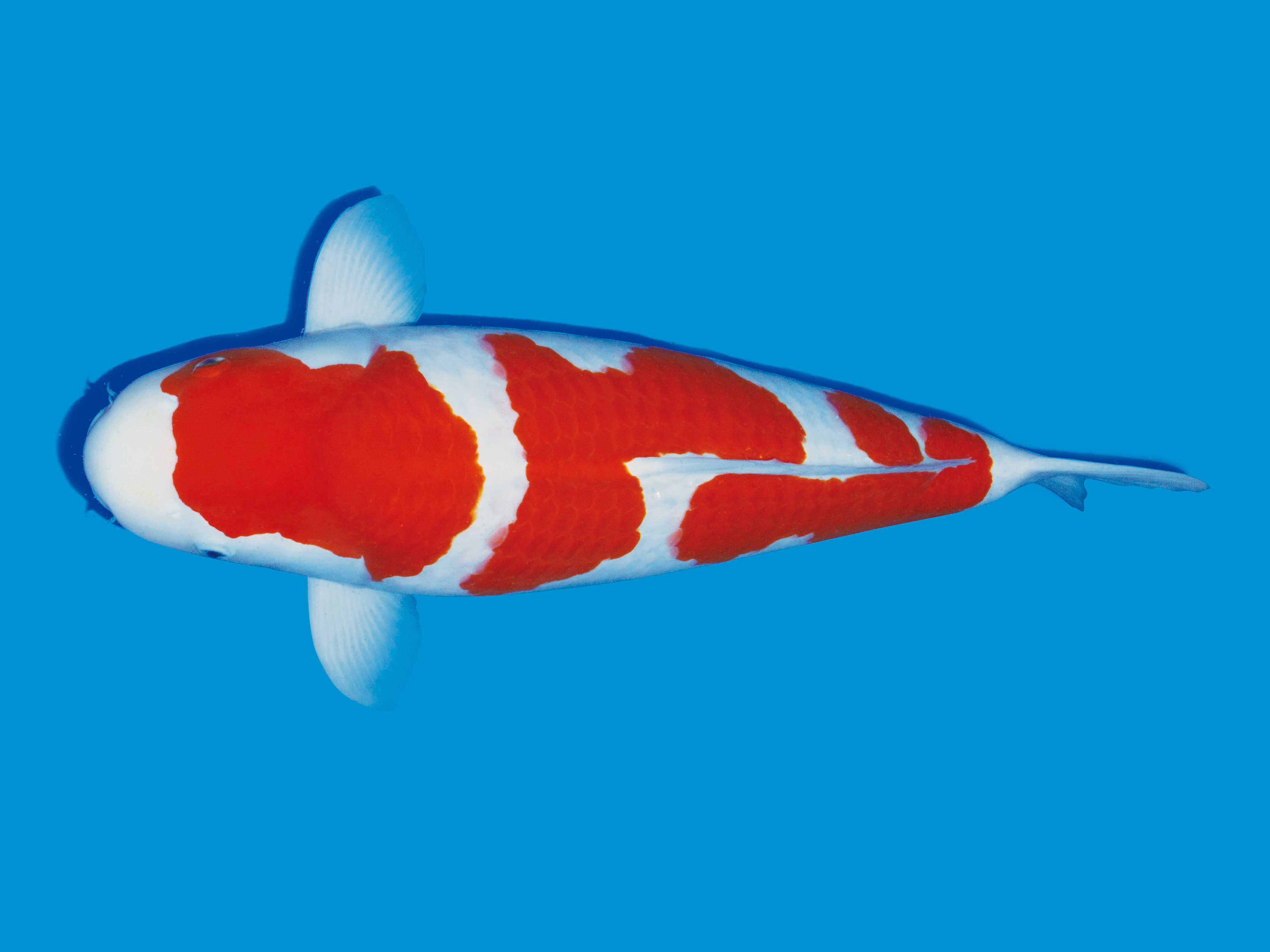
Red worm disease infection occurs when, duringkoi breeding, the koi swallows water fleas carrying larvae and becomes infected. After a period of development in the body cavity, the female and male worms mate, and the female worm migrates to the parasitic site and matures.
Red worm disease usually occurs in May and June. It generally does not cause the death of the diseased fish, but it can cause bacterial and fungal infections. In severe cases, it can also cause death.
At the site where the worm parasitizes, the tissue becomes congested, inflamed, ulcerated, or even necrotic. Red worm bodies can be seen coiled within the lesion. In the eye sockets of the diseased fish, there are large worm bodies that are clearly visible.
Treatment methods:
(1) Use quicklime to clear the pond with water in order to kill the larvae. Do not use tea cake, because tea cake not only fails to kill the larvae but can also prolong their lifespan.
(2) Soak and wash the fish body with 2%-2.5% salt water for 15-20 minutes. This is the simplest and most effective method.
(3) Apply 1% potassium permanganate or iodine tincture to the lesion area, only taking care to prevent the liquid from flowing into the fish's gills.
(4) Sprinkle 0.2-0.5 grams of 90% crystalline trichlorfon per cubic meter of water throughout the entire pond to kill the intermediate hosts.
For more koi questions, please go tothe koi forumfor consultation.
。