Humic Acid: Its Role and Agricultural Application Value Explained
Humic acid is a class of natural organic macromolecular substances formed from the remains of plants and animals after decomposition and transformation by microorganisms, and it is the main constituent of soil humus. Its structure is complex, containing carboxyl groups, phenolic hydroxyl groups and various other active groups, which can undergo adsorption, complexation and other interactions with minerals and nutrients in the soil. The humic acid commonly used in agriculture is mostly obtained from mineral raw materials such as weathered coal, lignite and peat, and some products are also prepared through biological fermentation processes.
According to differences in solubility and color, humic acid can generally be divided into three categories: fulvic acid, brown humic acid and black humic acid. Among them, fulvic acid has a smaller molecular weight and good water solubility, is easily absorbed and utilized by crops, and is often used for drenching and foliar spraying; brown humic acid and black humic acid are more often used to improve soil or as raw materials for base fertilizers. Common products on the market, such as potassium humate and ammonium humate, are made from humic acid as a raw material combined with nutrients such as potassium and ammonium.
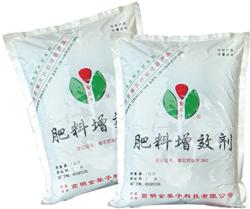
In agricultural production, the value of humic acid is mainly reflected in two aspects: soil improvement and efficiency enhancement. It can promote the formation of soil aggregate structure, improve water and fertilizer retention capacity, and can also complex medium and trace elements such as iron and zinc, reducing the fixation of phosphorus by the soil. When used in combination with nitrogen, phosphorus and potassium fertilizers, humic acid helps delay nutrient loss and improve fertilizer use efficiency, so it is often used as a natural synergist component of urea and is also suitable for mixing with farmyard manure.
When using humic acid products, appropriate formulations should be selected according to soil conditions and planting methods. Water-soluble types can be used for drip irrigation, drenching or foliar spraying, while powdered raw powder is more suitable for use as a base fertilizer or for mixing into soil. It should be noted that humic acid belongs to the category of synergistic and soil-improving substances and cannot completely replace organic fertilizers and chemical fertilizers, and long-term reliance on a single product is not advisable. When purchasing, pay attention to the product's registration information and effective content to avoid buying adulterated or inferior products.
Related Reading