What is the difference between potassium sulfate compound fertilizer and potassium chloride compound fertilizer
What is the difference between potassium sulfate compound fertilizer and potassium chloride compound fertilizer? Is there any knowledgeable netizen who can help explain? Potassium sulfate compound fertilizer and potassium chloride compound fertilizer are the most common fertilizer varieties on the agricultural materials market, but their application targets and fertilizer effects differ greatly, so Zhongdi Network has compiled the differences between potassium sulfate compound fertilizer and potassium chloride...
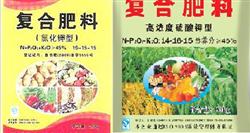 What is the difference between potassium sulfate compound fertilizer and potassium chloride compound fertilizer? Is there any knowledgeable netizen who can help explain
Potassium sulfate compound fertilizer and potassium chloride compound fertilizer are the most common fertilizer varieties on the agricultural materials market, but their application targets and fertilizer effects differ greatly, so Zhongdi Network has compiled the differences between potassium sulfate compound fertilizer and potassium chloride compound fertilizer, listed in detail below for netizens' reference.
Difference one, physical properties:
Potassium sulfate: easily soluble in water, K2O content 50%, white or light red crystals, physical properties better than potassium chloride, low hygroscopicity, not easy to cake during storage, belongs to acidic fertilizers.
Potassium chloride: a quick-acting potassium fertilizer easily soluble in water, K2O content 50-60%, white or light yellow or purple-red, hygroscopic, can cake during storage, attention should be paid to rain protection, moisture protection and packaging damage, belongs to acidic fertilizers.
Difference two, suitable crops for application:
Potassium sulfate is suitable for various crops, especially cruciferous and other sulfur-demanding crops, for which it is particularly effective. For rice, potassium sulfate is inferior to potassium chloride, because potassium sulfate easily produces hydrogen sulfide toxicity in paddy fields, so potassium chloride should be applied. Tobacco, sugarcane, potato, grape, citrus and other crops are potassium-loving crops, but have weak chloride tolerance, so potassium chloride should not be applied, so as to avoid reducing product quality.
Moderate use of potassium chloride can increase the yield and lodging resistance of crops such as rice, wheat and corn, and has very good effects on crops with strong chloride tolerance such as rice, wheat, corn and other grain crops, but it cannot be applied to chloride-sensitive crops such as tobacco, sugarcane, potato, tea and sugar beet.
Difference three, potassium content:
The potassium content of potassium sulfate is generally 50%-53%, and it does not contain chloride ions.
The potassium content of potassium chloride is generally 60%-63%, and it contains a large amount of chloride ions.
Difference four, execution standards:
Potassium sulfate follows HG/T3279-1990 issued by the former Ministry of Chemical Industry.
Potassium chloride follows the national standard GB6549-86.
What is the function of zinc sulfate
What is the function of potassium fertilizer