Ferrous Sulfate Fertilizer Explained: Functions and Application Methods
In the agricultural supplies market, sky-blue or green ferrous sulfate powder or crystals are often seen, but quite a few readers are still not very familiar with the functions and application methods of ferrous sulfate. Today, we have put together the functions and application methods of ferrous sulfate, listed in detail below for readers' reference.
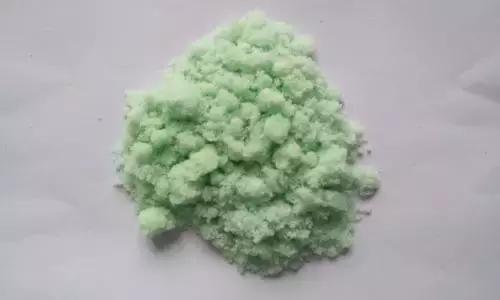
Functions of ferrous sulfate:
Generally, ferrous sulfate contains 19-20% iron and 11.5% sulfur, making it a good iron fertilizer. Regular use on acid-loving plants can prevent the occurrence of chlorosis. This is because the element iron is essential for the formation of plant chlorophyll; when iron is deficient, chlorophyll formation is blocked, causing plants to develop chlorosis and their leaves to turn pale yellow. An aqueous solution of ferrous sulfate can directly provide iron that plants can absorb and utilize, and can also reduce soil alkalinity.
At the same time, ferrous sulfate can also be used as a pesticide, capable of preventing and controlling wheat smut, scab and canker of apples and pears, and rot disease of fruit trees; it can also be used as a fertilizer, able to remove moss and lichen from tree trunks.
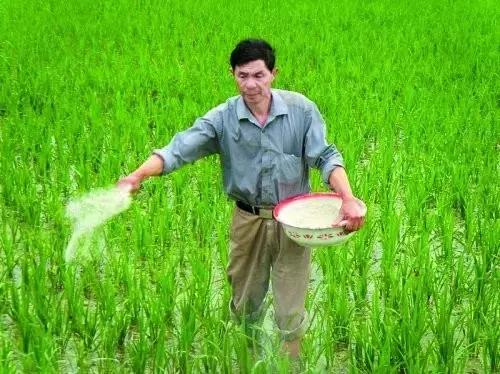
Application methods of ferrous sulfate:
One,For iron deficiency in fruit trees, a 0.2%-0.1% ferrous sulfate solution can be used, sprayed after the fruit tree leaf buds sprout, sprayed once about every 10 days, for 2-3 consecutive times, until the fruit tree leaves turn green, but the effect of spraying after the fruit tree leaves have aged is relatively poor.
Two,For iron deficiency in grass-family crops (such as rice, wheat, and sorghum), 3%-4% ferrous sulfate can be sprayed; generally, for chlorosis symptoms, one spray at the seedling stage is enough. If the chlorosis is severe, it can be sprayed 2-3 consecutive times, with an interval of 10-15 days each time. The ferrous sulfate solution should be prepared freshly and used immediately; a small amount of wetting agent can be added when spraying to increase the adhesion of the liquid on the leaf surface and improve the spraying effect.
Three,For iron deficiency in vegetables, 0.2%-0.5% ferrous sulfate can be used for spraying. When spraying, an appropriate amount of water should be sprayed to avoid leaf burn; a ferrous sulfate concentration exceeding 0.5% is prone to causing phytotoxicity.
Four, Ferrous sulfate injection method:A syringe can be used to quickly inject a 0.3%-1% ferrous sulfate solution into the trunk, then hang an infusion bottle on the tree and let the tree absorb it slowly. This method takes effect quickly, showing results within 3 days.
Five, Ferrous sulfate basal application method:For each mature large tree, use 2-2.5 kg of ferrous sulfate sprayed into 50-100 kg of organic fertilizer, mix thoroughly, dig 8-10 small holes along the outer edge of the tree canopy, apply the organic fertilizer mixed with ferrous sulfate, then cover with soil; for wheat, it can be applied directly to the soil at 30 kg per mu. Applying ferrous sulfate by the basal application method can effectively supplement the iron content in the soil, prevent and control pests and diseases, loosen the soil, prevent soil compaction, and promote crop root development. Moreover, mixing ferrous sulfate with organic fertilizer can reduce the soil's fixation of iron and improve fertilizer efficiency.
Precautions for applying ferrous sulfate:
1. Ferrous sulfate can be mixed with neutral and acidic pesticides; when spraying, 0.1% neutral washing powder can be added to improve the effect.
2. During the fruiting period of fruit trees and the seedling stage of vegetables, do not spray ferrous sulfate directly.
3. When spraying ferrous sulfate, avoid blazing sun and high-temperature weather; it is suitable to spray in the early morning or after 4 p.m.
Operations staff: Ma Wenjing MZ012