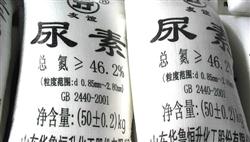
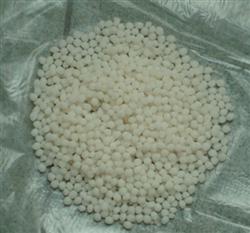
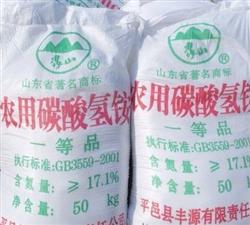
Nitrogen fertilizer is an indispensable and important chemical fertilizer that promotes crop growth.
Nitrogen fertilizer refers to fertilizer with nitrogen as its main nutrient, and it is one of the most widely used types of chemical fertilizer in agricultural production. Nitrogen is an important component of proteins, chlorophyll and nucleic acids in plants. Applying nitrogen fertilizer can promote the growth of stems and leaves, making the leaves dark green and the plants lush, and it has a direct impact on crop yield formation.
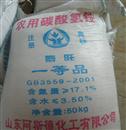
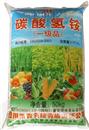
According to the form in which nitrogen exists, nitrogen fertilizers can generally be divided into three major categories: ammonium nitrogen fertilizers, nitrate nitrogen fertilizers and amide nitrogen fertilizers. Common ammonium nitrogen fertilizers include ammonium bicarbonate, ammonium sulfate and ammonium chloride; nitrate nitrogen fertilizers include ammonium nitrate, calcium nitrate, etc.; and urea belongs to the amide nitrogen fertilizers. Different forms of nitrogen fertilizer differ in how quickly they take effect, their mobility and the soils they suit, so when purchasing, crop type and soil conditions should be considered together.
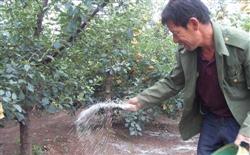
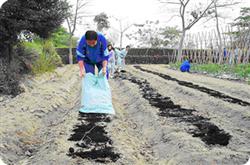
When applying nitrogen fertilizer, attention should be paid to split application and deep placement with soil covering, to avoid nutrient loss caused by applying too much at one time. Ammonium nitrogen fertilizers should not be mixed with alkaline substances, so as to prevent ammonia volatilization from reducing fertilizer efficiency. When urea is used as a topdressing, it should be applied appropriately earlier, and only after it has transformed in the soil can it be fully absorbed and utilized by crops.
It should be noted that excessive application of nitrogen fertilizer can easily cause excessive vegetative growth and delayed maturity in crops, and may also lead to weak stems, reduced lodging resistance, and increased occurrence of pests and diseases. Therefore, in production, nitrogen fertilizer should be applied in combination with phosphorus and potassium fertilizers, and the amount should be reasonably controlled according to crop growth and growth stage, so as to give full play to its yield-increasing effect.
Related reading