What Is Nitrogen Fertilizer? Definition and Basics Explained
What is nitrogen fertilizer? What exactly does nitrogen fertilizer do? What happens when crops are deficient in nitrogen or when nitrogen fertilizer is excessive? We ask knowledgeable readers to help explain. Nitrogen fertilizer refers to a straight chemical fertilizer that has a stated nitrogen (N) content and supplies plants with nitrogen nutrition. Nitrogen fertilizer can increase total biomass and total economic yield. Applying nitrogen fertilizer has...
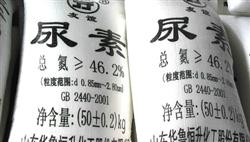 What is nitrogen fertilizer? What exactly does nitrogen fertilizer do? What happens when crops are deficient in nitrogen or when nitrogen fertilizer is excessive? We ask knowledgeable readers to help explain
Nitrogen fertilizer refers to a straight chemical fertilizer that has a stated nitrogen (N) content and supplies plants with nitrogen nutrition. Nitrogen fertilizer can increase total biomass and total economic yield. Applying nitrogen fertilizer has an obvious yield-increasing effect, and in terms of increasing crop yields, the share accounted for by nitrogen fertilizer is above that of fertilizers such as phosphate fertilizer (P) and potassium fertilizer (K). Therefore, Zhongdiwang has compiled the effects of nitrogen fertilizer on crops and the symptoms of nitrogen deficiency and nitrogen excess, listed in detail below for readers to refer to. Click to view>>Common types of nitrogen fertilizer<<
The nutritional role of nitrogen fertilizer for plants:
1. Nitrogen is the main constituent element of crop proteins:
The average nitrogen content in protein is 16%-18%. During crop growth and development, cell growth and division and the formation of new cells must involve protein. When higher plants are deficient in nitrogen, the formation of new cells is often blocked, causing slow plant growth and development, and even growth stagnation. The importance of protein also lies in the fact that it is the form in which life exists in living organisms.
2. Nitrogen is a component of plant nucleic acids and nucleoproteins:
Nucleic acid is the basic substance for plant growth, development and life activities, and nucleic acid contains 15%-16% nitrogen. Nitrogen is contained in both ribonucleic acid and deoxyribonucleic acid. In cells, nucleic acid usually combines with protein and exists in the form of nucleoprotein. Nucleic acid and nucleoprotein exist in large amounts in the cell nucleus and plant apical meristem, and have a special role in plant life and genetic variation. Deoxyribonucleic acid is the genetic material that determines the biological characteristics of crops, and both deoxyribonucleic acid and ribonucleic acid are transmitters of genetic information.
3. Nitrogen is a constituent element of many plant enzymes:
Enzymes are biological catalysts in the biochemical reactions and metabolic processes within plants. The main component of enzymes is protein, and the direction and speed of many biochemical reactions in plants are controlled by enzyme systems. Usually, the biochemical reactions in each metabolic process must have one or several corresponding enzymes participating. Without the corresponding enzymes, the metabolic process is very difficult to carry out smoothly. The enzyme itself is a kind of protein, so nitrogen often indirectly affects plant growth and development through enzymes. Therefore, the nitrogen supply status is related to the transformation process of various substances and energy in the crop.
4. Nitrogen is a constituent element of plant chlorophyll:
Chlorophyll is the factory in crop leaves that makes "food", using absorbed solar energy, carbon dioxide in the air and water in the soil to synthesize organic matter. The chlorophyll content often directly affects the rate of photosynthesis and the formation of photosynthetic products. When green crops are deficient in nitrogen, the chlorophyll content in the plant decreases, the leaves turn yellow, the intensity of photosynthesis weakens, and photosynthetic products decrease, thereby significantly reducing crop yield. Thus, it is unimaginable for green plants to grow and develop without the participation of nitrogen.
5. Nitrogen is a constituent component of crop vitamins:
Vitamins in plants, such as vitamin B1, vitamin B2, vitamin B6, and alkaloids (nicotine, theophylline, etc.) all contain nitrogen. They are all components of coenzymes and participate in crop metabolism.
6. Nitrogen is a constituent component of some plant hormones:
In plants, such as auxins and cytokinins, all contain nitrogen.
7. Nitrogen can improve the nutritional value of crops:
Nitrogen can increase the protein content in crop seeds and improve the nutritional value of food.
Symptoms of nitrogen deficiency in crops:
The notable feature of nitrogen deficiency in crops is that the lower old leaves of the plant begin to fade from the leaf tip and turn yellow, then gradually spread to the upper leaves. Nitrogen deficiency also causes a decline in crop product quality, with reduced contents of protein, essential amino acids, alkaloids and vitamins. The growth of the whole plant is inhibited, and the aboveground part is affected more obviously than the underground part. The leaves are grayish green or yellow, narrow and small, new leaves emerge slowly, and the number of leaves is small; in severe cases, the lower old leaves turn yellow, dry up and die. The stem is short, thin and small, mostly woody, with few tillers and branches. The roots are inhibited, relatively thin and short. Crop flowers and fruits develop slowly, the grains are not plump, and in severe cases there is fruit drop, abnormal premature senescence and early maturity, small seeds and low yield.
Symptoms of nitrogen excess in crops:
Excessive nitrogen often delays the growth period of crops, causing excessive vegetative growth and late maturity; for crops with a short growth period, it will cause the growth period to be extended and make them vulnerable to early frost.
Excessive nitrogen causes excessive vegetative growth, thin cell walls, increased leaf area, dark green leaf color, juicy cells, and soft plants, making them susceptible to mechanical injury and causing fungal diseases in the plants. The crop population density is high, ventilation and light transmission are poor, and it is easy to cause premature senescence of the middle and lower leaves, poor resistance, easy lodging, and a decreased seed-setting rate. Such symptoms include increased cotton boll rot, reduced sugar content in fruit, tobacco leaves becoming thick and difficult to cure, and few pods in legumes.
Excessive nitrogen will also increase the content of nitrate nitrogen, nitrosamines, betaine, oxalic acid, etc. in the leaves, affecting the content of vegetable oil and other substances. It causes a decline in crop quality and reduced yield, and even causes deterioration of soil physical and chemical properties and groundwater pollution. Therefore, in protected cultivation, attention should be paid to the rational application of nitrogen fertilizer.
The uses of household magnesium nitrate
The uses of ferrous sulfate