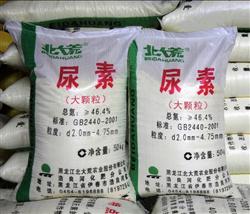
Long-lasting urea has a lasting fertilizer effect, and deep application as a base fertilizer works even better.
Long-lasting urea is a type of slow-release nitrogen fertilizer made by modifying ordinary urea. In production, urease inhibitors, nitrification inhibitors, or coating processes are usually added to slow the release rate of nitrogen nutrients and extend the fertilizing period, thereby reducing losses from volatilization and leaching.
Compared with ordinary urea, the most prominent advantage of long-lasting urea is its lasting fertilizer effect and high nitrogen use efficiency. Ordinary urea decomposes quickly after being applied to the soil, and nutrients are easily lost, while long-lasting urea can significantly extend the nutrient supply period. A single application can replace multiple topdressings, saving labor and time while also improving fertilizer use efficiency.
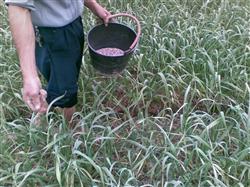
In application, long-lasting urea is mostly applied once as a base fertilizer, suitable for field crops with long growth periods such as rice, wheat, and corn (maize), and can also be used for fruit trees and some vegetables. When applying it, appropriate deep placement and soil covering are recommended so that the nutrient release rhythm matches the crop's fertilizer demand pattern, giving more stable performance.
It should be noted that the release rate of long-lasting urea is affected by temperature and soil moisture. Release is slower under low temperature and drought, so if seedlings are weak in the early stage, watch for possible nutrient deficiency. In addition, its price is generally higher than that of ordinary urea. When purchasing, consider the crop type, growth period, and soil conditions comprehensively, and use it in reasonable combination rather than blindly replacing all ordinary urea with it.
Related Reading