How to Grow Tulips in Water and Daily Care Tips
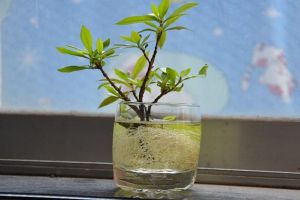
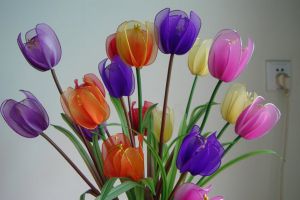
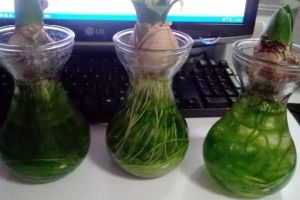
Water-cultured tulips (Tulipa) means growing tulips with clean water as the growing medium, letting the tulip bulbs take root, grow leaves and bloom in water. It does away with soil work, and the container is clear and clean, so you can enjoy both the flowers and leaves and watch the roots spread out in the water. It is suitable for placing on a windowsill, coffee table or other bright spot indoors.
Before water culture, first select the bulbs, choosing ones that are plump in shape, with intact skin and no mold spots or wounds. Tulips generally need to go through low-temperature vernalization to flower, so choosing bulbs that have already been cold-treated will make it easier to get flowers. When placing them in the vase, the water level should not be too high; just let the bottom of the bulb barely touch the water surface, leaving space for it to breathe and avoiding soaking the whole bulb in water, which can cause rot.
The key to daily care is the balance between water quality and light. During the growing period, change the clean water every few days, and do it gently so as not to damage the new roots. The container should be placed in a bright, well-ventilated, cool spot. Insufficient light easily leads to leggy growth and thin, weak flower stems, while too high a temperature shortens the flowering period.
The main common problems are root rot and algae. Cloudy water, not changing the water for a long time, or soaking the bulb too deep can all cause the roots to turn brown and black; if you notice this, change the water promptly and cut away the rotted parts. Too much light or not cleaning the container for a long time makes green algae grow easily in the water; you can scrub the bottle walls regularly and shade the container appropriately to ease this. In addition, tulip bulbs consume a lot of nutrients when flowering, and under water culture they are mostly kept for one season of enjoyment. If you want to keep them after flowering, you can move them to soil culture to restore their strength.
Related Reading