How to Grow Lucky Bamboo in Water and Things to Watch Out For
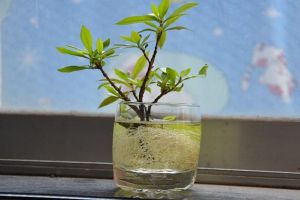
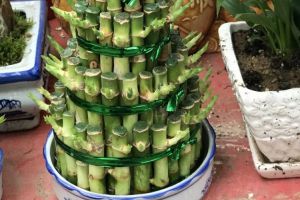
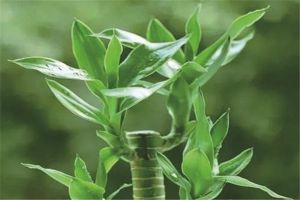
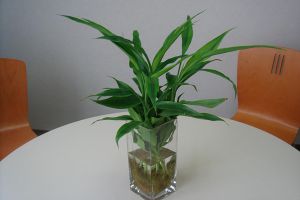
Growing lucky bamboo in water is a common way to cultivate it, by placing lucky bamboo stems in clean water. Lucky bamboo (Dracaena sanderiana) is an evergreen foliage plant of the genus Dracaena, with upright stems and slender, deep green leaves. Placed in a transparent bottle, it looks clean and elegant, and it is often displayed in living rooms, studies and on office desks, carrying an auspicious meaning and lasting a long time as an ornamental. Compared with soil cultivation, water cultivation is cleaner and also makes it easy to observe the growth of the root system at any time.
Lucky bamboo grown in water has certain requirements for water quality. Tap water is best left to stand for one or two days until the chlorine has evaporated before use. The water level should just cover the roots; it should not be too deep, so that the stems are not soaked in water for a long time and cause rot. Stems that have not yet rooted need frequent water changes to keep the water clean; after rooting, the frequency of water changes can be reduced, and it is enough to top up appropriately when the water decreases.
The growing position should be chosen in a place with bright, indirect light, avoiding direct strong sunlight that can scorch the leaves, and it should not be placed in too dark a corner for a long time. Lucky bamboo likes warmth, so in winter attention should be paid to cold protection and keeping it warm; when the temperature is too low, the leaves are prone to cold damage and yellowing, and the plant should be moved indoors to a warm place in time. After rooting, a few drops of water-culture nutrient solution can be added at intervals; the concentration should be dilute rather than strong, which can make the leaf color more glossy.
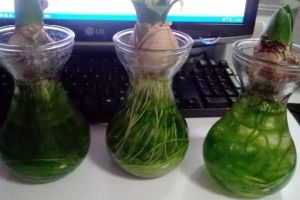
Common problems in daily care are blackened, foul-smelling rotten roots and green algae growing in the bottle. When blackened, rotting roots are found, the rotten parts should be cut off in time, the container and healthy roots should be cleaned, and then clean water should be replaced; green algae are mostly related to excessive light and water that is too nutrient-rich, and washing the bottle wall and shading appropriately can help control it. Yellow leaves are mostly caused by poor water quality, too low a temperature or improper light; once the cause is identified and adjusted in time, the plant can mostly recover gradually.
Related Reading