How to Grow Lucky Bamboo in Soil and Points to Note: With Good Care, Green Leaves, Strong Roots and Vigorous Growth
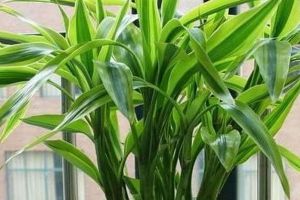
Growing lucky bamboo (Dracaena sanderiana) in soil means cultivating it in potting mix. Compared with the more common water culture, soil-grown plants develop a more extensive root system and grow more robustly. Lucky bamboo is originally a tropical foliage plant that prefers a warm, humid environment. When grown in soil, as long as the growing medium is suitable and care is proper, its leaves will be glossier green and denser.
The first step in growing lucky bamboo in soil is choosing a good soil. It is best to use a loose, fertile, slightly acidic soil with good drainage and aeration; you can make your own mix from leaf mold, garden soil and river sand. When potting, place some broken tiles or clay pebbles at the bottom of the pot to improve drainage and prevent waterlogging and root rot. The pot should not be too large; one proportionate to the size of the plant is enough.
For routine care, place it in a spot with bright, indirect light, avoid direct strong sunlight, and do not keep it in a too-dark corner for long periods. Water according to the principle of letting the soil dry between waterings: water thoroughly only after the surface of the potting soil has dried out, and never let it stay soggy for long. During the growing season, apply dilute fertilizer frequently in small amounts. Occasionally rotate the pot so the plant receives even light, which will give it a more balanced and attractive shape.
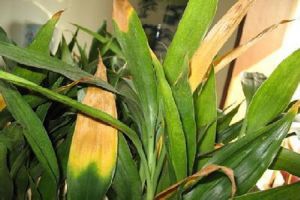
The common problems with soil-grown lucky bamboo are yellowing leaves and dry leaf tips, which are mostly related to overwatering, too much light or dry air. Once you identify the cause and adjust in time, the plant will gradually recover. In winter, take care to keep it warm, move it to a warm spot indoors and reduce watering, so the lucky bamboo overwinters safely and grows even more vigorously the following year.
Related Reading