What to Do When Lucky Bamboo Leaves Wilt? Causes and Solutions
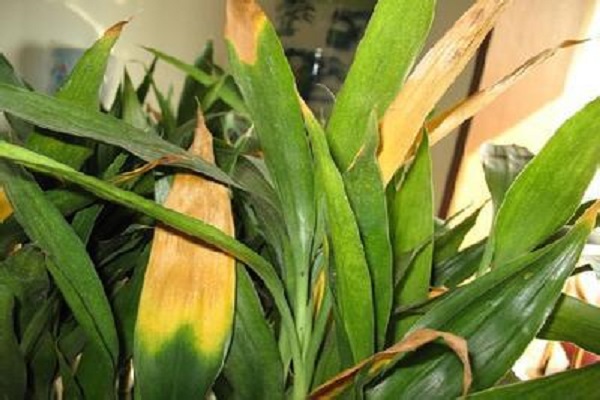
I. Causes and Solutions
1. Improper Lighting
If the sunlight is too strong and shines directly on the lucky bamboo, it easily scorches the leaves, and the part of the leaf facing the sun will develop yellow spots. If this happens, move it to a shady area and let it recover for a few days. If it is kept out of sunlight for a long time, the leaves cannot get enough nutrients for growth and development, and they will slowly turn yellow and wilt. At this point, move it to an area with light and airflow, and it will quickly recover.
2. Improper Fertilizing
If you give it too much fertilizer, or the fertilizer ratio is much greater than the water ratio, it will also wilt. Moreover, the tips of newly grown leaves will turn brown, the leaves will lose their luster, and the surface will not be smooth. You should immediately stop adding fertilizer, water the flowerpot and then drain the water out to help flush out the fertilizer. If there is too little fertilizer, the leaf color will fade, old leaves will turn yellow, and it will also look wilted. So usually add some nitrogen fertilizer to it; you can do this frequently, but the amount must be small, and add a little alum water from time to time.
3. Root Infection
If its roots are damaged, the vessels cannot transport water in time because they will become blocked, and nutrients cannot pass through either, so the leaves will wilt and look listless. In severe cases, pathogens will multiply in large numbers inside it, and the entire lucky bamboo may very likely wither. At this point, change its water and use clean purified water. If using other water, let it sit overnight first, then add it, and this will help it recover.
II. Daily Care
1. If your plant is newly transplanted, adding 1-2 cm of water is enough for it to root. It likes warm, watery, and relatively cool places. The light does not need to be too strong, and especially avoid scorching sun. In winter, do not place it on a radiator.
2. It does not like to grow in flowing water and prefers still water. If it has rooted, do not change the water first; just wait until the water evaporates and then add more. Because frequently changing the water will cause yellow leaves, this requires special attention.
3. After it roots, add a little compound fertilizer so the stems become sturdy and the leaves turn emerald green. If you do not fertilize it for a long time, it will become very weak and the leaves will turn yellow. Do not add too much fertilizer, otherwise it will grow leggy. In spring and autumn, add it once a month. If it is grown in water, to prevent it from growing wildly, do not add compound fertilizer; add a little nutrient solution every three weeks, and it will grow very sturdy. Do not place it near high-power appliances, such as an air conditioner, otherwise the leaf tips will wither.