Detailed Guide to Growing Lucky Bamboo in Water and Key Daily Care Points
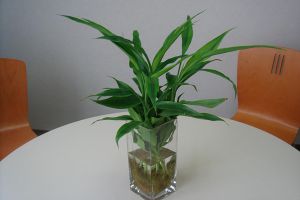
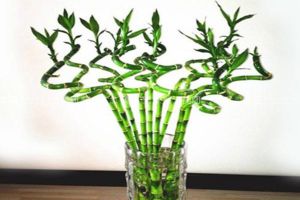
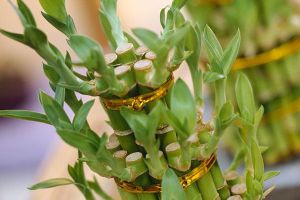
Growing lucky bamboo in water is the most common way to cultivate lucky bamboo at home, that is, placing the lucky bamboo stems in clean water to grow, relying on the roots to absorb water and nutrients from the water to sustain growth. It does not need soil, and the container is clean and transparent, so it looks very attractive placed in a living room, study or office, which is why it is so popular.
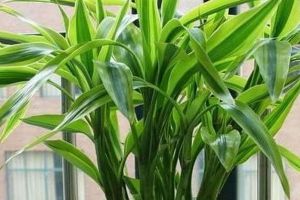
When growing in water, it is best to choose plants with thick, sturdy stems and upright leaves, cut the base at an angle, and place them in a clean container. The water level should just cover about one third of the base; before rooting, the water can be changed frequently to keep the water clean, while after rooting there is no need to change the water often, and it is enough to top it up appropriately when the water level drops.
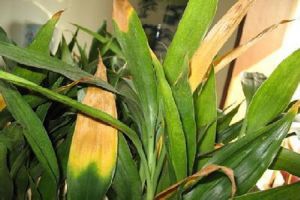
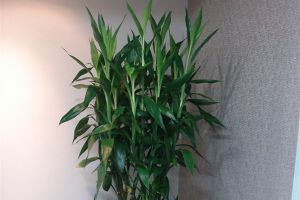
For daily placement, choose a spot with bright, indirect light, avoid direct strong sunlight, and do not keep it in a too-dark corner for a long time. Lucky bamboo likes a warm environment and is afraid of low temperatures and cold wind in winter, so it should be moved indoors to a warm place, away from cold drafts and heating vents, otherwise the leaves are prone to turning yellow and developing dry tips.
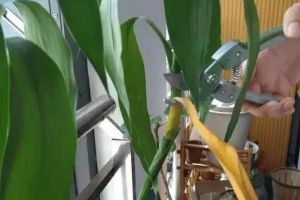
Common problems during water cultivation are mostly related to water quality and the environment, such as wilted, spotted or yellowing leaves, which are mostly caused by not changing the water in time, improper light or too-low temperatures. If the roots are found to be slimy or rotting, the rotten parts should be cut off in time, the container washed, and fresh water added; plants handled properly can generally re-root and recover their growth.
In addition, lucky bamboo can also be propagated from stem segments to turn one stem into many, by cutting the stem with nodes into small sections and inserting them into water; after a period of care in a warm environment, they will take root and sprout, gradually growing into new plants.
Related Reading