-

Winter-storage cabbage hits the market at double the price, how much is one jin this year?
How much is cabbage per jin? This year's winter-storage cabbage hits the market at double the price
-
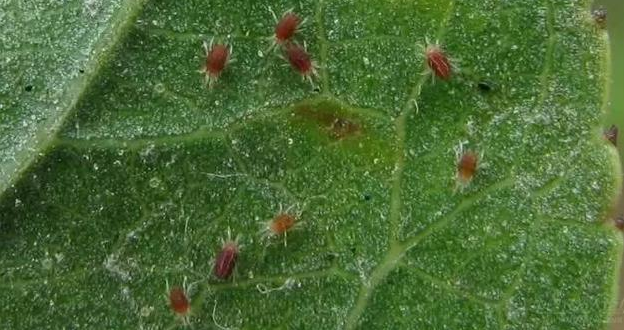
What pesticides are effective for controlling red spider mites, thrips, and whiteflies?
Growing flowers is not so easy; plants can get sick too. How do you deal with red spider mites, thrips, and whiteflies? What pesticides work best for red spider mites, thrips, and whiteflies: Red spider mite treatment methods: (1) If only a few leaves have red spider mites, you can remove the infested leaves. (2) If there are quite a lot, then use pesticides.
-
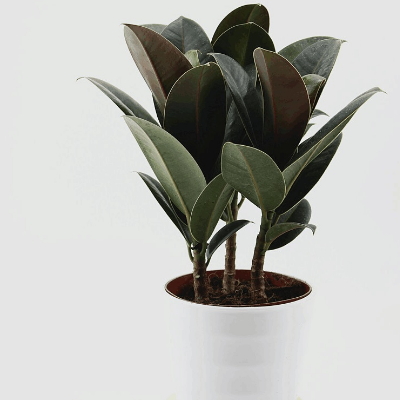
Uses and Care Methods of the Black Prince Plant
The Black Prince plant can be kept in an office and has a certain ornamental value. What is the Black Prince plant good for? How do you care for the Black Prince plant? What the Black Prince plant is good for: 1. Ornamental value: The ornamental value of the Black Prince plant is mainly shown in its leaves: the mature leaves of the Black Prince are thick and gorgeous
-
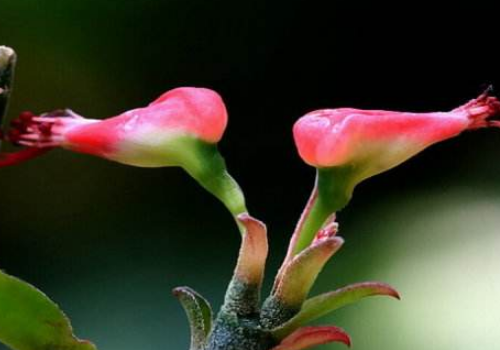
Reasons Why Pedilanthus tithymaloides Does Not Bloom and How to Care for It
Pedilanthus tithymaloides is so beloved, so how should you grow it? Why does Pedilanthus tithymaloides not bloom? How to grow it: Why Pedilanthus tithymaloides does not bloom: Temperature. It is native to Central America and the West Indies. It likes warmth and thrives in places with ample but not too intense sunlight and good ventilation. In environments with excessively high temperatures, it can also adapt to semi-shaded conditions.
-
Morphological Characteristics of Polygonatum and Introduction to Suitable Growing Environments
[Morphological Characteristics] Perennial herb, plant height 30-120 cm. The whole plant is hairless. The rhizome is yellowish-white, slightly sweet in taste, thick and fleshy, growing horizontally, formed by several chicken-head-shaped sections connected into a shape thick at the head and tapering at the tail; the end bearing the stem is relatively thick, and after the stem withers it leaves a round stem scar like a chicken's eye; the nodes are distinct, with a few roots growing at the nodes. The stem is single, slightly curved, cylindrical. Leaves are usually in whorls of 4-5, sessile; the leaf blade is linear-lanceolate, with a curled tip, grayish bloom on the underside, parallel main veins, and the central vein thick and raised on the underside.
-
Symptoms and Prevention of Protozoan Diseases in Lionfish
Pathogen: Saltwater Ichthyophthirius, the parasite body is spherical or oval, similar to Ichthyophthirius multifiliis, size 0.066-0.45×0.034-0.36mm, the entire body is covered with cilia, generally with four bead-like macronuclei. Epidemiology: Saltwater Ichthyophthirius mainly parasitizes the gills, skin, fins and other parts of marine fish. It is prevalent in all coastal sea areas from mid-May to August each year. The suitable breeding temperature for Saltwater Ichthyophthirius is 20-25°C, and it is transmitted by *cysts and their larvae. Symptoms: First, a large number of small white
-
High-yield and high-quality cultivation techniques for garlic in the Hangzhou area
Garlic is a plant of the genus Allium in the family Amaryllidaceae (Liliaceae) and is an important pungent vegetable. At present, the garlic planting area in China is gradually expanding. In addition to the main producing areas of Shandong Province, Jiangsu Province and Henan Province, it is also widely cultivated in other regions, among which the Yangtze River basin is also an important garlic producing area. Due to differences in climatic conditions, garlic cultivation techniques in each region have their own characteristics, and the cultivation and management methods also differ from those in other regions. The high-quality and high-yield cultivation techniques for garlic in the Hangzhou area are introduced as follows. 1 Site selection and land preparation Garlic likes fertilizer and water, and its root
-
Characteristics and Main Varieties of Water Dropwort
Water dropwort is also called Chu kui. It is cultivated more extensively south of the Yangtze River. The tender stems and leaf stalks are used as food, with a rather good flavor, and it is a high-yielding aquatic vegetable that can be marketed in large quantities during the spring off-season. Characteristics and traits: Water dropwort has wide adaptability to environmental conditions and strong cold resistance; after frost it can very well maintain green leaves, and cases of death from low temperatures are few. The suitable temperature for cultivation is around 20°C. Below 10°C, the stems and leaves stop growing. In summer high temperatures, growth ages, but it remains evergreen all year round. The growth and development of water dropwort are affected by day length; in autumn and winter the daylight
-
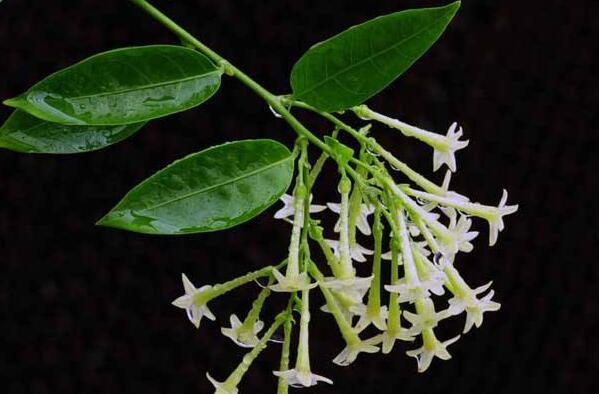
How many propagation methods does the four o'clock flower have? Master cuttings and turn one pot into ten
Every flowering season, the four o'clock flower (Mirabilis jalapa) produces many beautiful blooms, with fresh colors and a rich fragrance, making it a rare feast for us. However, many flower lovers are not satisfied, because a single pot of four o'clock flowers is too plain, and it is only beautiful when many pots bloom together, and that is when we need to master the propagation methods of the four o'clock flower
-
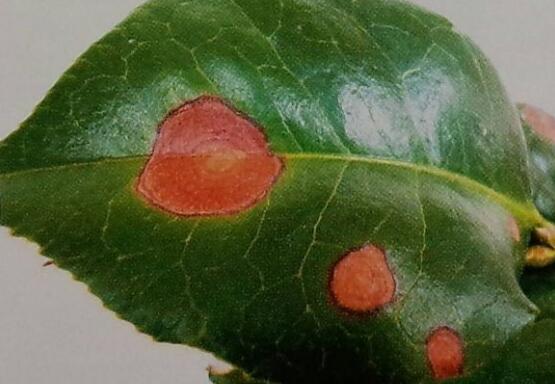
What to Do When Camellias Get Pests? Treatment Methods for 4 Pests and 3 Diseases
As one of China's top ten famous flowers, the beauty of the camellia is beyond doubt. Its beautiful blooms, vivid colors, and enchanting fragrance are all deeply beloved. However, if you don't follow the proper camellia cultivation methods, the plant will get pests and diseases, seriously affecting its ornamental value. So what should you do when camellias get pests?
条件筛选