What to Do When Camellias Get Pests? Treatment Methods for 4 Pests and 3 Diseases
As one of China's top ten famous flowers, the beauty of the camellia is beyond doubt. Its beautiful blooms, vivid colors, and enchanting fragrance are all deeply beloved. However, if you don't follow the proper camellia cultivation methods to care for it, the plant will get pests and diseases, seriously affecting its ornamental value. So what should you do when camellias get pests? Below is a selection of pest and disease control methods for camellias. Read on!
I. What to Do When Camellias Get Pests: Identify the Pest
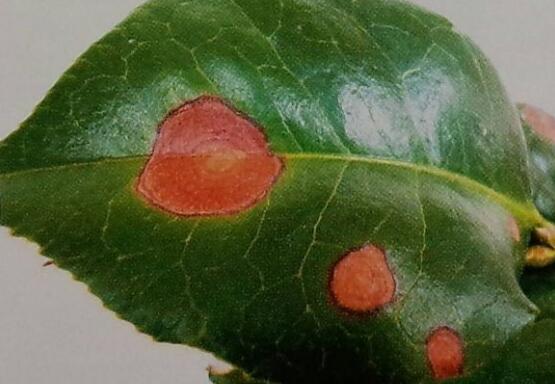
The beauty of the camellia lies in its beautiful form. If pests and diseases ruin its appearance, it is truly distressing. So how do you deal with pests on camellias? At this point, you should identify the pest and then apply the appropriate pesticide spray. Overall, camellias have 7 types of pests and diseases, including 4 pests and 3 diseases. Let's continue below for the specific symptoms and control methods.
II. Pest and Disease Control for Camellias
(1) Pests of Camellias
1. Red Spider Mite
One of the main pests of camellias, it mainly damages the underside of leaves, surviving by sucking the sap from camellia leaves. Symptoms of infestation: the plant becomes nutrient-deficient, and camellia leaves may turn yellow or even drop off.
Control method: When red spider mites are found, rinse the entire camellia plant thoroughly with a strong stream of water, then spray with 20% dicofol emulsifiable concentrate at 2000 times dilution. Several consecutive applications will produce results.
2. Aphids
A type of insect that infests camellias. It parasitizes leaves, sucking sap, mainly damaging tender leaves and stems. Once aphids appear, they cluster densely and look quite alarming. Moreover, the honeydew secreted by aphids attracts ants, triggering sooty mold or other fungal diseases.
Control method: When aphids are few, you can remove them manually, such as picking them off with a needle or brushing them off with a tool like a brush; when aphids are numerous, spray with 2.5% derris extract emulsifiable concentrate at 1200 times dilution.
3. Scale Insects
Another pest of camellias, it mainly damages tender leaves, sucking the sap of the plant. Symptoms of infestation: camellia leaves change from green to grayish-green, and finally to yellow. In severe cases, branches and leaves are covered with scale insects, causing the entire plant to wither and die.
Control method: When scale insects are few, rinse with water, or wipe the affected plant with white liquor, vinegar, alcohol, or laundry detergent, which has a certain effect; when scale insects are numerous, use 550% malathion and 40% dimethoate 0.1% solution alternately for spraying. Several applications will produce results.
4. Leaf Roller Moth
This insect is small and is one of the main pests infesting camellias. Its larvae bite and feed on new buds, tender leaves, and flower buds, leaving only the epidermis in a net-like pattern, and causing leaves to curl lengthwise, hiding inside the leaves to continuously damage the plant, seriously affecting the plant's growth and flowering.
Control method: When leaf roller moths are few, you can manually remove the rolled leaves and crush the insects; during the larval stage of the leaf roller moth, spray 75% phoxim at 1000 times dilution in the evening; during the adult stage, you can use a sugar-vinegar solution (made with 5 parts sugar, 5 parts liquor, and 80 parts water) for trapping and killing.
(2) Diseases of Camellias
1. Anthracnose
This disease is one of the common diseases of camellias, generally occurring in June to July on the leaves of that year's seedlings. Symptoms: water-soaked greenish-brown lesions appear on the edges of camellia leaves, then expand into irregular large patches arranged in a pattern with a layer of small black dots spreading across the entire leaf, finally causing leaf drop.
Control method: When the above symptoms are found, promptly remove and burn diseased leaves to reduce the source of infection; in the early stage of the disease, spray 70% thiophanate-methyl wettable powder at 1000-1500 times dilution for control.
2. Leaf Spot Disease
One of the main diseases of camellias. In environments with high temperature, high humidity, and poor ventilation, camellia leaves are very susceptible to leaf spot disease. Symptoms: pale yellow and reddish-yellow spots appear on the leaves, which then expand into circular or oval shapes; if the environment is relatively humid, black granular substances may appear on the lesions, and the leaves will later dry up and drop off.
Control method: When a small number of diseased leaves are found, promptly remove and burn them to reduce the source of infection; in severe cases, use demulsified emulsifiable concentrate at 1000-1500 times dilution for control, spraying 25% 2-3 times every 7-15 days. Several applications will produce results.
3. Sooty Mold
This disease can damage the branches and leaves of camellias, with the symptoms being more obvious on the leaves. In the early stage, small sooty mold spots appear on camellia leaves, then gradually expand and connect into patches, covering most of the plant with a sooty mold layer, seriously affecting the plant's photosynthesis and respiration, leading to camellia leaf drop.
Control method: When the above symptoms are found, spray 0.3 degree Baume lime sulfur mixture, once every 10-15 days, for a total of 3-4 sprays. In addition, you can also spray 50% thiophanate wettable powder at 500 times dilution, once every 7-10 days. Results can be seen after 3 sprays.
What to Do When Sasanqua Leaves Get Pests? Pest and Disease Control for Sasanqua / 4 Pests and 3 Diseases
As a combination of camellia and plum blossom, the beauty of the sasanqua is beyond doubt. Its beautiful leaves, vivid flower colors, and enchanting fragrance are all deeply beloved. However, for certain reasons, sasanquas can get pests and diseases, seriously affecting their ornamental value. So what should you do when sasanqua leaves get pests? Below is a selection of pest and disease control methods for sasanquas. Read on!
I. What to Do When Sasanqua Leaves Get Pests: Identify the Pest
Sasanquas have strong resistance and should be difficult to afflict with pests and diseases, but if you don't follow the proper sasanqua cultivation methods, it's quite normal for sasanqua leaves to get pests. At this point, don't panic. First identify the pest, then apply the appropriate pesticide spray. Overall, sasanquas have 7 types of pests and diseases, including 4 pests and 3 diseases. Let's continue below for the specific symptoms and control methods.
II. Pest and Disease Control for Sasanquas
1. Aphids
A type of insect that infests sasanquas. It parasitizes leaves, sucking sap, mainly damaging tender leaves and stems. Once aphids appear, they cluster densely and look quite alarming.
Control method: When aphids are few, you can remove them manually, such as picking them off with a needle or brushing them off with a tool like a brush; when aphids are numerous, spray with 2.5% derris extract emulsifiable concentrate at 1200 times dilution.
2. Stinging Caterpillars (Eucleidae)
One of the pests and diseases of sasanquas, it generally occurs from June to October. The larvae feed on the lower epidermis and mesophyll of leaves, and in severe cases, only the upper epidermis remains. The adult stinging caterpillar is even more destructive, capable of eating entire leaves and leaving only the main veins, seriously affecting sasanqua flower bud differentiation, flowering, and ornamental value.
Control method: In the early stage, spray 50% fenitrothion emulsifiable concentrate at 800 times dilution, or use the biological agent Bt aqueous solution at 1000 times dilution for spraying on cloudy days, which gives good control results. In winter, you can dig out cocoons from the soil around the sasanqua, crush them, or remove cocoons from the trunk.
3. Scale Insects
Another pest of sasanquas, it mainly damages tender leaves, sucking the sap of the plant. Symptoms of infestation: sasanqua leaves change from green to grayish-green, and finally to yellow, which is also one of the reasons sasanqua leaves turn yellow; in severe cases, branches and leaves are covered with scale insects, causing the entire plant to wither and die.
Control method: When scale insects are few, rinse with water, or wipe the affected plant with white liquor, vinegar, alcohol, or laundry detergent, which has a certain effect; when scale insects are numerous, use 550% malathion and 40% dimethoate 0.1% solution alternately for spraying. Several applications will produce results.
4. Longhorn Beetles
This insect is further divided into the tea longhorn beetle and the tea black-striped longhorn beetle, both of which are pests that harm sasanquas. The former mainly bores into and feeds on the roots and near-ground branches and trunk of sasanquas, while the latter damages above-ground branches and trunk from bottom to top, causing swelling of branches and death of branches.
Control method: When longhorn beetles are found, you can manually catch the adults, or spray with 50% fenitrothion emulsifiable concentrate at 800 times dilution, or spray Green Weilei to kill the adults.
5. Anthracnose
This disease is one of the common diseases of sasanquas, generally occurring in June to July, mainly damaging mature leaves. Symptoms: water-soaked greenish-brown lesions appear on the edges and tips of sasanqua leaves, then expand into irregular large patches arranged in a pattern with a layer of small black dots spreading across the entire leaf, finally causing sasanqua leaf drop.
Control method: When the above symptoms are found, promptly remove and burn diseased leaves to reduce the source of infection; in the early stage of the disease, spray with anthracnose Fumei or 75% chlorothalonil at 600 times dilution 2-3 times, or during the bud break and leaf expansion stage, spray with 12% copper green emulsifiable concentrate at 600 times dilution 1-2 times.
6. Leaf Spot Disease
One of the main diseases of sasanquas. In environments with high temperature, high humidity, and poor ventilation, sasanqua leaves are very susceptible to leaf spot disease. Symptoms: pale yellow and reddish-yellow spots appear on the leaves, which then expand into circular or oval shapes.
Control method: When the above symptoms occur and a small number of diseased leaves are found, promptly remove and burn them to reduce the source of infection; in severe cases, use demulsified emulsifiable concentrate at 1000-1500 times dilution for control, spraying 25% 2-3 times every 7-15 days. Several applications will produce results.
7. Sooty Blotch
One of the pests and diseases of sasanquas, it generally occurs in environments with high temperature, high humidity, and poor ventilation. Symptoms: the leaves and branches of sasanquas are covered with a layer of black sooty mold, affecting the leaves' photosynthesis and respiration, causing poor growth and premature leaf drop.
Control method: When the above symptoms are found, use 50% carbendazim at 600 times dilution or 70% mancozeb at 600 times dilution, spraying alternately. Results can be seen after 2-3 applications.
Color Atlas of Camellia Pests and Diseases
Color Atlas of Camellia Pests and Diseases
Scab
A plant disease mainly caused by the fungi Elsinoe and Sphaceloma. The bacteria Xanthomonas and the actinomycete Streptomyces can also cause scab. The affected areas form rough, slightly raised, scab-like or suberized, circular or oval lesions, with the center cracking or sunken. Symptoms are most obvious on affected stems, pods, melons, fruits, tuberous roots, and tubers. In severe cases, lesions merge into patches, fruits become deformed, and fleshy roots and stems develop poorly. Leaves become distorted when affected, and young plants may die.
The pathogen overwinters in diseased residual tissues or branches. The above-ground portion of the pathogen spreads through wind and rain, while the below-ground portion spreads through the movement of soil moisture and the activities of soil organisms. Infected seeds or plants can spread the disease over long distances. Control is generally achieved through measures such as clearing diseased residual tissues, applying more organic fertilizer, and spraying chemicals during the growing season. Control methods: (1) Strengthen management, apply more potassium fertilizer to make new shoots emerge uniformly and mature rapidly, and do a good job of winter garden cleanup and pruning to improve the tree's disease resistance. (2) Chemical protection: In spring and early summer, when there is a lot of rain and temperatures are not very high, and when morning fog is thick and dew is heavy, the disease is severe, so spray chemicals to protect tender leaves. Chemicals for controlling canker and anthracnose can both be used.
Affected leaves initially show water-soaked circular spots, which then turn waxy yellow. The lesions expand as the leaves grow and gradually become suberized, forming conical scabs that protrude on one side of the leaf and sink inward on the other side. Leaves with many lesions become distorted and deformed, and severe cases cause leaf drop.
The pathogen overwinters in diseased tissues. The optimum temperature for development is 16-23°C. When the temperature is above 15°C during rainy and humid spring weather, conidia are produced and spread through wind, rain, and insects. Spring air humidity is the main factor determining the severity of the disease. If there is continuous rain and heavy morning fog during the spring shoot and late autumn shoot emergence periods, the disease will be prevalent. It rarely occurs during the summer shoot period due to high temperatures.
Control Methods
(1) Pay attention to seedling selection: New nurseries should use disease-free seedlings, and avoid transporting seedlings and taking scions from diseased areas.
(2) Strengthen cultivation management: Do a good job of winter garden cleanup and pruning, and the pruned diseased branches and fallen leaves should be collected and burned. Thin out overly dense branches to improve ventilation and light conditions inside the canopy and reduce air humidity within the canopy.
(3) Chemical control: This disease only infects young tender tissues, so it is essential to do a good job of spraying protection during the spring shoot, late autumn shoot, and young fruit periods. The first spray is when spring buds are 2 mm long, the second at flower fall, and the late autumn shoot spray depends on the weather. Available pesticides include: before infection, spray 0.3-0.5% double-strength Bordeaux mixture, or 30% copper oxychloride at 500-600 times dilution, or 75% chlorothalonil wettable powder at 500 times dilution, or 50% thiram wettable powder at 500 times dilution for preventive protection. For already infected plants, spray 50% thiophanate wettable powder at 600-800 times dilution or other systemic fungicides for control.
Anthracnose
[Cause and Symptoms] This disease is caused by infection of camellia leaves by the fungus Colletotrichum gloeosporioides. This is a major disease of camellias, with an incidence rate of 33%. Symptoms mostly appear on leaf margins, leaf tips, and both sides of the veins. Initially, dark green patches appear, then gradually expand into irregular large patches, with the color changing from brown to black. In severe cases, it can spread across the entire leaf, causing massive leaf drop.
[Disease Pattern] The occurrence of this disease is closely related to temperature and humidity. The optimum temperature for disease development is generally 25-28°C. When the temperature is suitable and humidity increases, especially during continuous rainfall, the spread and development of the disease are promoted. The disease generally begins in April, peaks in June-July, and tends to stop after September.
[Control Methods] (1) Thoroughly remove diseased leaves. (2) Prune diseased and dead branches in winter. (3) Before the disease period each year, spray 1% Bordeaux mixture once every half month. (4) Spray 600 times dilution chlorothalonil aqueous solution once a week for 3-4 consecutive sprays. (5) Strengthen cultivation management with scientific weeding and fertilizing. In spring, apply additional phosphorus and potassium fertilizers, and spray 0.15% monopotassium phosphate aqueous solution before leaves unfold.
Algal Leaf Spot
[Cause and Symptoms] This disease is caused by the parasitic alga Cephaleuros virescens. Lesions can appear on both sides of the leaf, but mainly on the upper surface. Initially, they appear as pinhead-sized grayish-green small round spots, then gradually expand outward in a radial pattern, forming nearly circular or irregular lesions. The lesions are noticeably raised, with fine striped felt-like material on the surface. Later, the lesion color changes from grayish-green to dark brown. Due to the covering by the pathogen, leaf photosynthesis is affected, causing the camellia plant to grow weak.
[Disease Pattern] The parasitic alga overwinters as filamentous vegetative bodies in the host tissues. Under moist conditions, it produces swimming spores, which infect new plants and cause disease. This pathogen is a very weak parasite. Under conditions of high temperature and high humidity, camellia groves that grow poorly due to poor ventilation and light transmission are most severely affected by this disease.
[Control Methods] (1) Strengthen cultivation management with reasonable fertilization and timely pruning to avoid excessive shading in camellia groves, ensuring ventilation and light transmission to improve camellia resistance. (2) Spray 0.2%-0.5% copper sulfate solution for control.
Root Rot
[Cause and Symptoms] This disease is caused by various pathogenic fungi, the most common being Phytophthora cinnamomi, Cylindrocladium crotalariae, and Armillaria, which mainly infect the camellia root system. Affected plant roots rot and turn black, leaves turn yellow, shoot tips die, flower buds drop, and the plant gradually withers and dies.
[Disease Pattern] The pathogen overwinters as sclerotia in the soil or on diseased plants. The following spring, when temperature and humidity are suitable, the sclerotia germinate into hyphae, spread through the soil, and infect the plant roots. The higher the temperature, the higher the incidence rate.
[Control Methods] (1) Promptly dig out diseased plants and the contaminated soil around them, and disinfect the soil around diseased plants with 1% copper sulfate solution to prevent the pathogen from spreading. (2) Maintain good soil drainage and strictly prevent waterlogging in the cultivation area. (3) Choose camellia varieties with strong disease resistance for cultivation.
Flower Rot
[Cause and Symptoms] This disease is caused by infection of petals by the camellia flower rot fungus (Giborinia camelliae Kohn). Affected flowers first show small brown spots, which then gradually expand until the entire flower turns brown and withers.
[Disease Pattern] The flower rot fungus can form sclerotia at the flower stalk, and its spores can spread through the wind. The incidence rate is generally lower in autumn. From December to March of the following year, as temperatures rise, the flower infection rate increases.
[Control Methods] (1) When camellia flowers infected with this disease are found, promptly remove them and burn them together. Especially during the flowering period, promptly clean up diseased flowers that fall on the ground. (2) Before flowering, spray fungicides such as carbendazim on flower buds 2-3 times. (3) Choose more camellia varieties that bloom in autumn, or treat mid-to-late blooming varieties with gibberellin to make them bloom in autumn, thereby avoiding the peak period of the camellia flower rot fungus. (4) Use biological control methods. Inoculate the soil with two fungi, Sporidesmium sclerotivorum and Coniothyrium minitans, to kill the pathogen spores. (5) Do not purchase and cultivate camellia plants with flower rot.
Twig Blight
Twig blight is a disease caused by pathogenic fungi infecting young or old camellia branches. Affected branches necrose, leaves change from green to pale yellow, gradually drying up and dropping from the top downward, and finally the entire shoot tip dries up and dies.
Control Methods
1. Prune diseased and dead branches in winter and burn them together.
2. Remove useless adventitious buds and weak slender branches to reduce the attachment sites for pathogens.
3. Isolate and care for diseased plants.
4. Before camellia plants sprout, spray fungicides such as thiophanate-methyl, thiram, and chlorothalonil.
5. Apply more phosphorus and potassium fertilizers, and less nitrogen fertilizer.
Rust Mites
Rust mites (rust spiders) belong to the order Acariformes, family Eriophyidae. The mites are extremely small, and nymphs or adults damage tender leaves and young shoots by sucking sap. Affected leaves show many reddish-brown small spots on the underside, gradually expanding to show many net-like white cracks, with the surface turning yellow and losing luster. Both sides and tips of leaves curl downward and become distorted, leading to leaf drop. Seedlings and young trees are mainly affected more severely on summer and autumn shoots.
Control methods:
1. Spray lime sulfur mixture, acaricides, and malathion; 1.8% abamectin at 5000 times dilution plus 4.5% beta-cypermethrin at 1500 times dilution, or 15% pyridaben at 2000-3000 times dilution; you can also use 50 g laundry detergent, 10 mL diesel oil, and 10 L water, mix well and spray for control.
2. Rust mites reproduce fastest under high temperature and drought conditions, so do a good job of cooling and watering the nursery, and promptly prune leaves already damaged by rust mites.
Spider Mites
[For control methods, please refer to"Rust Mites"]
Sooty Mold
When camellias are infested by sooty mold, a layer of dark brown to blackish-brown mold appears on the surface, which then thickens into a sooty mold layer. Due to different pathogen species, the later mold forms vary, such as scattered small black dots (pycnidia or perithecia) on the mold layer or bristle-like elongated pycnidial protrusions. In orchards with severe occurrence of this disease, the canopy looks as if covered with a layer of soot.
[Cause]:
There are many species of pathogens for this disease. Except for the genus Meliola, which is purely parasitic, the rest are surface epiphytic fungi. The pathogen morphology varies, but the mycelium is dark brown, forming asexual and sexual reproductive bodies on the host surface. Ascospores are dark brown or colorless, with one to several septa; cleistothecia are stalked or unstalked, with or without appendages and bristles on the outer wall.
The mycelium of Capnodium sp. is filamentous, with single-celled conidia that are elliptical or ovoid, smooth-surfaced, and colorless. Densely arranged within the mycelial mass are cylindrical or nearly club-shaped pycnidia, with the end relatively swollen and round, dark brown, bearing pycnidia on the swollen part. Perithecia are spherical or flattened spherical, membranous, dark-colored, with an ostiole at the top and superficial bristles. Asci are club-shaped, containing 8 ascospores; spores are elongated elliptical, with transverse and longitudinal septa, brown.
[Occurrence Pattern]:
This disease overwinters as mycelium, pycnidia, and cleistothecia in diseased parts. The following year, under suitable temperature and humidity conditions, spores are produced and spread to the host (lychee tree) through wind and rain, using the secretions of pests such as scale insects, white wax cicadas, whiteflies, and leaf gall mites as nutrients to grow and reproduce, and spread through repeated transmission and infection. Orchards where the above pests are widespread and severe are conducive to the epidemic of this disease.
[Control Methods]:
(1) Agricultural control: Strengthen camellia management, persist in reasonable fertilization, moderate pruning, and removal of diseased branches to facilitate ventilation and light transmission, enhance tree vigor, and reduce disease occurrence.
(2) Chemical control: (1) Use chemicals to control piercing-sucking pests such as scale insects, white wax cicadas, and whiteflies to reduce disease factors. (2) For severely affected plants, apply chemicals twice consecutively in the early stage of the disease, with about 10 days between sprays. Chemical options include: 70% thiophanate-methyl wettable powder, or 75% chlorothalonil wettable powder, mixed at a 1:1 ratio at 600-800 times dilution, or 77% copper hydroxide wettable powder at 800 times dilution, or 0.3%-0.5% Bordeaux mixture.
Scale Insects
There are more than 30 common species of scale insects, among which the three most damaging to camellias are the chaff scale, the cottony cushion scale, and the red wax scale.
Scale insects mainly parasitize camellia branches and leaves, especially the main veins, leaf margins, and undersides of leaves, using their piercing-sucking mouthparts to pierce leaf mesophyll or branch cortex tissue and absorb nutrients. This causes sunken yellow spots on the leaf surface, or white cotton-like patches on the leaf underside, or pink tumor-like small protrusions on branches, with leaves turning yellow, curling, or even dropping. The plant grows poorly, and flower buds drop.
When camellias are cultivated indoors or in greenhouses, if ventilation is poor, they are susceptible to scale insect damage.
Improve ventilation and light conditions for camellias to inhibit the growth and reproduction of scale insects.
[Treatment Methods]
1. During the hatching period of scale insects, spray a relatively high concentration of insecticide. You can use 48% chlorpyrifos emulsifiable concentrate at 1000 times dilution for spraying control or wash clean. You can also apply 40% omethoate at 5 times dilution on the trunk. Or spray 45% malathion emulsifiable concentrate at 1000 times dilution.
Under conditions of high temperature, high humidity, and poor ventilation, especially during long periods of placement in greenhouses in autumn and winter, scale insect damage is likely to appear on stems and leaves.
Strengthen ventilation and light transmission, and pay attention to controlling environmental humidity. When a small number of live insects are found, promptly wipe them off with a damp cloth, or use transparent tape to stick them off. For commercial cultivation, during the peak hatching period of nymphs, spray 25% buprofezin wettable powder at 1500 times dilution. Kuangshajie is particularly effective for scale insect control; use Kuangshajie at 800-**** times dilution for uniform spraying.
2. For home camellia care with few plants, homemade methods can be used for control. For example, you can spray with laundry detergent aqueous solution. I have used "insecticidal aerosol" spray, which also has good results. Fellow enthusiasts can also give it a try.
Aphids
[Morphology and Damage] Aphids are divided into two types: winged aphids and wingless aphids. Winged viviparous female aphids have transparent wings and dark brown bodies; wingless viviparous female aphids have no wings and dark brown bodies. In addition, nymphs resemble adults in appearance, are wingless, and pale yellow. Adults and nymphs gather on tender camellia shoots to suck sap, causing the buds and leaves of affected camellias to shrink, and growth is seriously affected. Aphid excrement can cause sooty mold.
[Control Methods] (1) During the peak period of aphid occurrence, spray camellia plants with 50% phosphamidon emulsifiable concentrate at 2000 times dilution or 50% dimethoate emulsifiable concentrate at 1000 times dilution, once every 3-5 days, for 3 consecutive sprays, which can eliminate aphids. (2) Soak 0.5 kg tobacco stems and 0.25 kg quicklime in 10-15 L water for a full day and night, filter out the residue, and use the liquid for spray control, which gives good results.
Leafminer Moth
[Damage Status] The leafminer moth larvae burrow under the epidermis of tender camellia leaves and new shoots to feed. Damage begins in May, gradually becomes more severe in June, and is most severe from July to September. Affected young leaves show semi-transparent markings on the epidermis, and affected new shoots show white or semi-transparent blister-like patches on the epidermis. Camellia plants grow poorly, and leaves become distorted and drop off.
[Control Methods] (1) You can use fenvalerate at 5000 times dilution or omethoate at 1000 times dilution, spraying 3 consecutive times before and after pest occurrence for control. (2) For home potted camellias with nymph damage, you can manually catch and kill them.
Tea Tussock Moth
This pest mainly damages camellias by having its larvae bore into and feed on the top new shoots, causing the new shoots to die.
[Control Methods]:
Carry out chemical control promptly after larval hatching (mid-to-late July) and before they bore into branches to overwinter (October). Chemical options include 40% dimethoate and 80% dichlorvos emulsifiable concentrate at 1500 times dilution, 2.5% fenpropathrin emulsifiable concentrate at 3000 times dilution, and 50% cartap powder at 1500 times dilution. When spraying, be sure to wet the undersides of leaves with pest spots.
Leaf Roller Moth
[For control methods, see "Tea Tussock Moth"]
Sun Scald
Camellia sun scald is mainly caused by tender leaves being scorched by the sun during high temperatures in the growing period. If only a few leaves show this condition, it will not affect the camellia's growth. Once discovered, shade should be provided for sun protection.
Mirid Bugs
Mirid bugs, also called plant bugs, with the cotton mirid bug having 5 generations per year. The main species include the green mirid bug, the three-spotted mirid bug, and the alfalfa mirid bug, with the green mirid bug causing the most severe damage. They begin damaging tender camellia leaves in May, with severe damage from June to August, and in mid-to-late September they fly back to overwintering sites to lay eggs and overwinter. Mirid bugs prefer shade and moisture, fear light, and are active at night. In years with more rainfall and higher humidity from June to August, damage is severe; in dry years, damage is light.
1. The spray solution must be applied to both the front and back of camellia leaves, especially the affected leaf surfaces, stems, and cracks around the ground. 2. The best time for control is 5-7 PM. Control chemicals should be rotated. When spraying, start from the outer perimeter and work inward in circles, concentrating to eliminate them and prevent migration. 3. Choose systemic, fumigant, or contact insecticides, or compound formulations. Such as malathion-phoxim, fipronil, cypermethrin-profenofos, chlorpyrifos-phoxim, cyhalothrin, etc.
Small Green Leafhopper
Adult small green leafhoppers have a body length of 3.3-3.7 mm, are pale yellow-green to green, with compound eyes grayish-brown to dark brown, no ocelli, and bristle-like antennae with black tips. The pronotum and scutellum are light bright green, often with white spots. The forewings are semi-transparent, slightly leathery, pale yellowish-white, with a light green fine border along the margins. The hindwings are transparent and membranous. The legs are pale bluish-green below the tips of the tibiae, with brown claws; tarsi have 3 segments; hind legs are jumping legs. The abdominal terga are darker than the sterna, with the tip pale bluish-green. The head is slightly short dorsally, protruding forward, with a slightly brown rostrum and green base. Eggs are elongated oval, slightly curved, with a long diameter of 0.6 mm and a short diameter of 0.15 mm, milky white. Nymphs are 2.5-3.5 mm long, similar to adults.
Adults and nymphs suck sap. Affected leaves initially show yellow-white spots that gradually expand into patches, and in severe cases, the entire leaf becomes pale and drops early.
There are 4-6 generations per year, with adults overwintering in fallen leaves, weeds, or low green plants. The following spring, after peaches, plums, and apricots sprout, they emerge from dormancy, fly to trees to pierce and suck sap, and after feeding, mate and lay eggs. Eggs are mostly laid in new shoots or leaf main veins. The egg stage is 5-20 days; the nymph stage is 10-20 days; non-overwintering adults live 30 days; one generation takes 40-50 days to complete. Due to irregular occurrence periods, generations overlap. Population numbers increase in June, peak in August-September with severe damage. After autumn, the last generation of adults overwinters. Adults and nymphs prefer daytime activity, piercing and sucking sap or resting on the undersides of leaves. Adults are good at jumping and can spread by wind. A ten-day average temperature of 15-25°C is suitable for their growth and development; above 28°C and during continuous rainy weather, population density decreases.
Control Methods
(1) Before adults emerge from dormancy, clear fallen leaves and weeds to reduce overwintering pest sources. (2) After overwintering-generation adults migrate in, during the peak hatching period of each generation's nymphs, promptly spray 20% leafhopper powder (Miepuwei) emulsifiable concentrate at 800 times dilution, or 25% metolcarb wettable powder at 600-800 times dilution, 20% Haipuwei emulsifiable concentrate at 400 times dilution, 50% malathion emulsifiable concentrate at 1500-2000 times dilution, 20% fenvalerate-malathion emulsifiable concentrate at 2000 times dilution, 2.5% deltamethrin or Kung Fu emulsifiable concentrate, 50% pirimicarb ultra-micron wettable powder at 3000-4000 times dilution, 10% imidacloprid wettable powder at 2500 times dilution, 20% buprofezin emulsifiable concentrate at 1000 times dilution, 40% methidathion emulsifiable concentrate at 1500 times dilution, 2.5% Baode emulsifiable concentrate at 2000 times dilution, 35% Saidane emulsifiable concentrate at 2000-3000 times dilution. All can achieve good results.