-
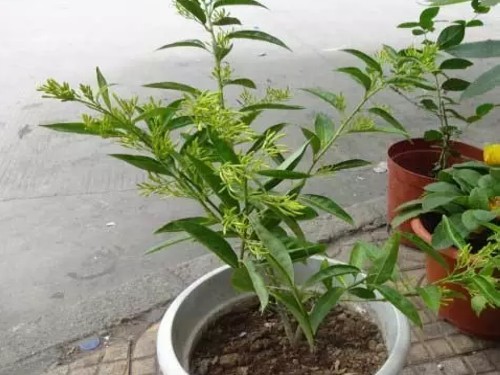
How to grow potted night-blooming jasmine? These methods you need to master
Night-blooming jasmine, also called night-fragrant flower, night-fragrant tree, night lilac, tuberose, night orchid fragrance and so on, is a flowering ornamental plant native to the tropical regions of the Americas. Its branchlets are slender and weak, hairy, with milky sap. Its flowers are mostly yellow-green, with a fresh fragrance that becomes even stronger at night. It is mostly grown as a potted ornamental plant, but it is not suitable for placing indoors, as its floral fragrance makes breathing difficult
-
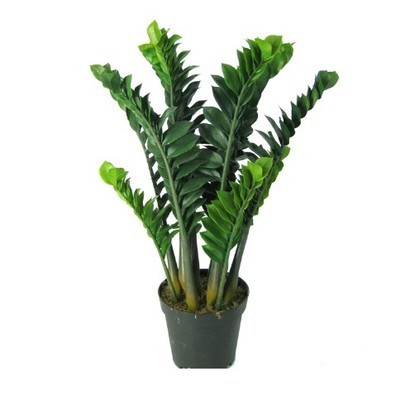
What to Do When ZZ Plant Leaves Turn Yellow? Detailed Guide to Growing Methods and Precautions
ZZ plant (Zamioculcas zamiifolia), a perennial evergreen herbaceous plant, is a rare foliage plant with underground tubers, native to tropical Africa. The ZZ plant is also known as Zamioculcas and golden pine. It has no main stem above ground; adventitious buds sprout from the tubers. The editors at Yiqiwang will now introduce the ZZ plant to everyone.
-

Reasons and Solutions for Yellowing Leaves of Hydroponic Monstera
Monstera (Monstera deliciosa) is a popular potted foliage plant for the home. If not cared for properly, it is highly prone to yellowing leaves, which affects its ornamental value and, in severe cases, can affect its growth or even cause the plant to die. Monstera is native to the tropical rainforests of Mexico and prefers a warm, humid living environment; it must never be exposed to intense sunlight or dry conditions.
-
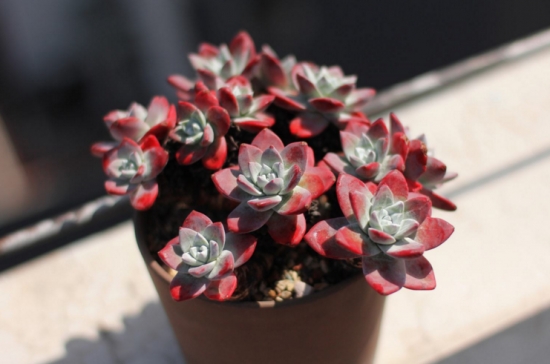
Succulent Seed Sowing Methods: A Detailed Guide to Soil Mix, Germination Rate and Survival Rate
Many succulent enthusiasts have likely had experience sowing succulents themselves, and quite often it does not succeed. There are many factors involved, including the seeds, the substrate, and so on. Below is a summary of some experiences from hobbyists sowing succulents, which is very useful for reference. Succulent sowing experience
-

Potted Night-blooming Jasmine (Cestrum nocturnum) Cultivation Methods and Management Techniques
Night-blooming jasmine is an ornamental plant native to subtropical regions, with a fresh fragrance that is especially stronger at night. Its flowering period is long, blooming continuously from May to October. The flowers can not only be enjoyed for their scent and to repel mosquitoes, but are also edible and medicinal.
-
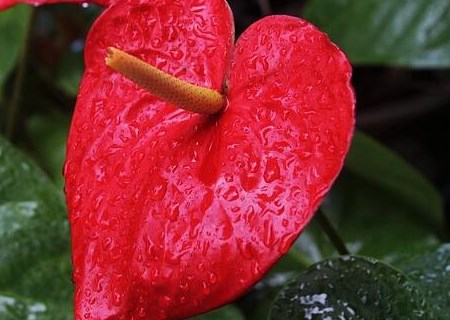
Anthurium seed planting and watering methods, causes of yellowing and drying leaves, and prices
Anthurium, also known as flamingo lily, is a perennial evergreen herbaceous plant of the Araceae family. It prefers warm, humid, semi-shaded environments and dislikes direct sunlight. Anthurium has unique and beautiful flowers with a long blooming period, making it suitable for pot cultivation. So do you know what the seed planting methods for anthurium are? How to water it? What to do when leaves turn yellow and dry up? How much does a pot cost?
-
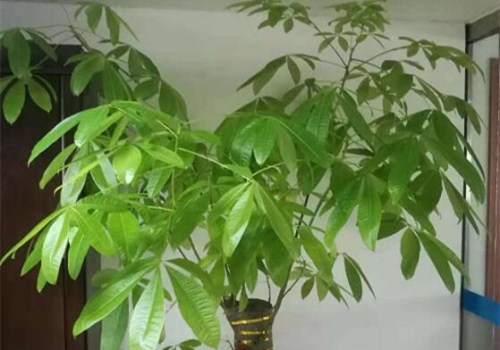
What to Do When a Money Tree (Pachira aquatica) Has Yellow Leaves? Find the Cause and Solve It Easily
The money tree's scientific name is Pachira aquatica, a plant in the order Malvales, family Malvaceae (formerly Bombacaceae), symbolizing wealth. It grows 4-5 m tall, has an umbrella-like shape, is fairly shade-tolerant, easy to care for, and very suitable for indoor cultivation. Although it is easy to care for, improper care can still cause yellow leaves. So what should you do when a money tree has yellow leaves? In fact,
-
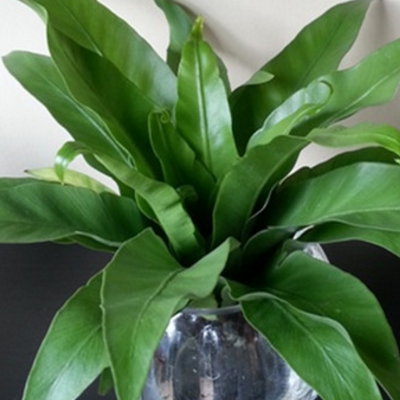
Can Bird's Nest Fern Be Grown in Water? Solutions for Brown, Crispy Leaf Edges
Bird's nest fern, many people know it and it can be grown at home. Let's see whether bird's nest fern can be grown in water and what to do about brown, crispy leaf edges: Can bird's nest fern be grown in water: Yes, it can be grown in water, and the method is as follows: Temperature, the suitable growing temperature for bird's nest fern is 16°C-27°C, and when the temperature drops below 10°C
-

What to do when the Madagascar jasmine gets bugs? Pest and disease control - do not use insecticides carelessly
As the Madagascar jasmine (Stephanotis floribunda) grows more and more popular, more and more people are growing it, but those who do not pay attention to the cultivation methods and precautions for the Madagascar jasmine will find that the plant they are growing has bugs. If handled improperly, not only will the bugs not be cleared away, it may even lead to the death of the Madagascar jasmine
-
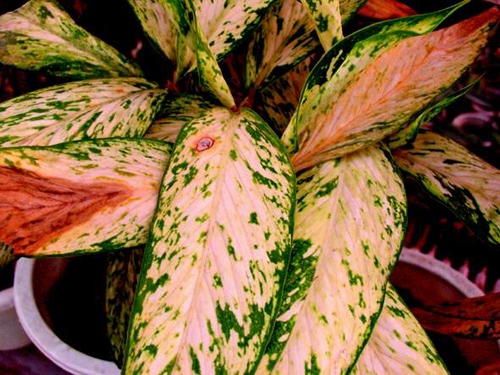
What to Do About Cold Damage in Flowers? Symptom Identification and Prevention Methods
When flowers suffer mild cold damage, herbaceous flowers show discoloration, necrosis and spots on the surface; woody flowers also show bud blight, cracked bark, gum exudation and leaf drop.
条件筛选