-
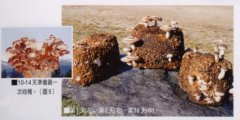
Practical Techniques for Shiitake Cultivation and New Techniques for Fast-Growing, High-Yield Production
The scientific name of shiitake is Lentinus edodes. It is a low-calorie food; eating 50 grams of shiitake per day provides only 15 calories. Its protein and fiber content are also high, and it is rich in calcium; in addition, shiitake contains two components that have been proven to have medicinal effects, namely
-
Practical Shiitake Cultivation Techniques and New Fast-Growing, High-Yield Technology
The scientific name of shiitake is Lentinus edodes. It is a low-calorie food; eating 50 grams of shiitake per day provides only 15 calories. Its protein and fiber content is also high, and it is rich in calcium. In addition, shiitake contains two components that have been proven to have medicinal effects, namely shiitake mycelium extract (LEM) and lentinan, both of which are currently sold as commercial products.
-
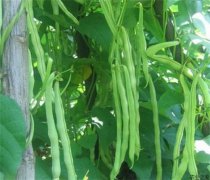
What plant is the common bean? Common bean planting and cultivation management methods
Organic common bean cultivation and management techniques (1) Environmental selection and coordination of related measures. Practice crop rotation. Carry out soil diagnostic analysis. Soil improvement. No soil, air or water source pollution in the surrounding environment. (2) Weed control methods. Use manual or mechanical inter-row cultivation and weeding, do not use chemical
-
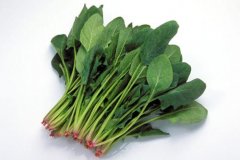
Spinach Cultivation: The cultivation process of spinach, spinach cultivation density
In pesticide-free cultivation, spinach is easier to grow than rapeseed (yu choy). Spinach carefully cultivated in the field during winter has a flavor that can truly be called exceptional. Varieties and sowing periods. Spinach varieties include the Western type with round leaves, and in addition, the native type with deeply lobed leaves
-

What are the varieties of cauliflower? An introduction to the benefits and effects of broccoli
Broccoli is a perennial overwintering herbaceous plant of the genus Brassica in the crucifer family. Because the part eaten is mainly the flower stalk formed by dense flower buds, it is called broccoli. It originated along the coast of Western Europe and came from a wild variety of cabbage. Its cultivation history is earlier than that of cauliflower. At present
-
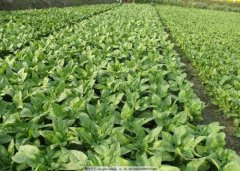
How to Cultivate Lettuce: A Detailed Guide to Cultivation Time and Environmental Requirements
Leaf Lettuce Cultivation and Management Lettuce is a very popular vegetable, and the forms and colors of cultivated varieties are quite diverse. Common cultivated varieties are divided by form into leaf, plucking, upright, curly-leaf, heading and stem types. Leaf, upright and curly-leaf lettuces are also called non-heading lettuce.
-
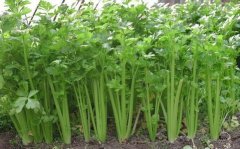
Celery Planting Methods and Cultivation Techniques Explained in Detail
Organic Celery Cultivation Methods Varieties Celery has slender, hollow leaf stalks and a strong fragrance, and can be used for stir-frying, boiling and as a seasoning. Varieties can be divided into local types: Tianwei variety (green leaves, white stalks), green tube, summer celery; and Western types (divided into green and yellow). The Tianwei variety has light green leaf stalks, few fibers, many branches, excellent quality, a strong fragrance and is not easily subject to rot.
-
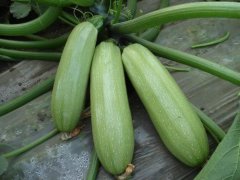
How to grow cucumbers? A detailed guide to the planting time and methods of cucumbers
Fertilizer management techniques for organic cultivation of small cucumbers. Cucumber is a vining plant of the genus Cucumis in the gourd family. The cultivated area in Taiwan, China is about 3,000 hectares or more, divided into two main categories: large cucumbers and small cucumbers. Small cucumbers, also called baby cucumbers or flower cucumbers, are cultivated in Yilan and Hualien counties
-
What causes deformed eggplant fruits? How to prevent and control them
During eggplant production, it is common to see eggplant fruits that are curved, cracked, or hard as stone. The causes are mainly influenced by variety, plant vigor, environmental factors, and cultivation techniques. Research indicates that the minimum temperature for eggplant pollen germination and pollen tube elongation
-
Detailed Guide to Loofah Cultivation, Pruning Techniques and Planting Seasons
Organic Loofah and Angled Loofah Cultivation and Management Techniques Loofah planting season: Loofah is a vegetable variety that can be planted in all four seasons, and its requirements for season are not strict, but it does have certain requirements for planting time. Note that loofah should not be planted during the transition between seasons, so it is generally started around February in spring or in late May in summer, in early September for autumn, and for winter it is not recommended to plant.
条件筛选