Spinach Cultivation: The cultivation process of spinach, spinach cultivation density
In pesticide-free cultivation, spinach is easier to grow than rapeseed (yu choy). Spinach carefully cultivated in the field during winter has a flavor that can truly be called exceptional. Varieties and sowing periods. Spinach varieties include the Western type with round leaves, and in addition, the native type with deeply lobed leaves
In pesticide-free cultivation, spinach is easier to grow than rapeseed (yu choy). Spinach carefully cultivated in the field during winter has a flavor that can truly be called exceptional.
Varieties and sowing periods
Spinach varieties include the Western type with round leaves, and in addition, the native type with deeply lobed leaves, as well as hybrids of these two, and so on. Because differences in variety require consideration of fertilizer and soil, in a home garden it is best to give priority to those that are easy to grow. Generally speaking, the Western type is easier to grow, and after understanding conditions such as cultivation habits, planting periods, and disease resistance, then proceed with planting.
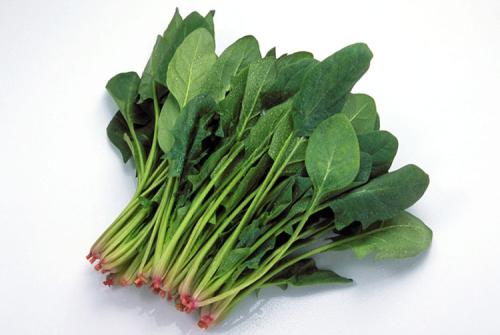
The sowing period is from late September to mid-to-late October; a harvest can be expected by March of the following year, so you may try planting a somewhat larger amount.
Use more lime
⟦NL>
The suitable soil pH range for spinach is between 6.6-7.0. Although it depends on the soil, about 200-250g per 1m2 is preferable. If the soil pH has been gradually adjusted, then the amount of lime used can be gradually reduced.
In addition, because the early growth stage of spinach is quite important, it requires more basal fertilizer applied than other leafy greens.
Seeds must be watered frequently
Spinach seeds should be sprinkled with water the night before cultivation, and the next day they must be washed thoroughly, then drained and taken to the field. Before sowing, spread them out in a shady place to dry in the shade beforehand, so that sowing becomes easier. In addition, in early September when temperatures are quite high, place the seeds to be sown between 2 or 3 sheets of newspaper, give them water beforehand in a cool place for 2 or 3 days, and when white roots emerge, they can be planted.
Thinning
A spacing of 1-1.5 cm per plant is sufficient, but even if they are crowded together they can still develop well. When the true leaves appear, perform the first thinning at the most crowded spots, and after another 10 days perform the second thinning.