-
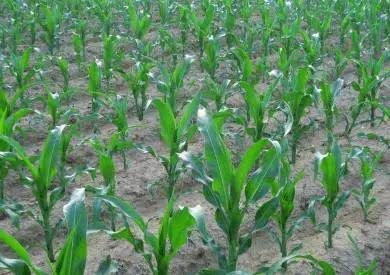
What is corn seedling cutting about? Old farmers say corn that has been cut yields more
Can cutting corn seedlings increase yield? There are many ways to increase corn yield, and regardless of whether cutting seedlings can really boost yield, it is not very cost-effective just in terms of labor costs. Theoretically, cutting seedlings can have a yield-increasing effect, because proper cutting...
-
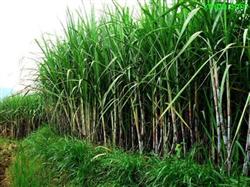
How to fertilize sugarcane for high yields
Sugarcane has a long growth period and high yields; generally, 5000-8000 kg of cane stalks can be produced per mu, and it absorbs a large amount of nutrients throughout the entire growth period, making it one of the crops with relatively high fertilizer requirements. According to research, for every 1000 kg of sugarcane grown, it needs to absorb 1.5-2 kg of nitrogen, 1-1.5 kg of phosphorus, 2-2.5 kg of potassium, and 0.5-0.75 kg of calcium from the soil.
-
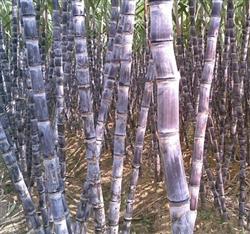
How to plant winter sugarcane for high yields? Six key measures
1. Timely fertilization: after emergence, fertilize together with the first weeding; during the second field growing period, apply diluted fertilizer together with each hilling; the third time, apply foliar fertilizer and balanced fertilizer at the appropriate time, and add New High-Fat Film spray each time to greatly increase the limited nutrient utilization rate of the fertilizer. 2. Hilling and fixing seedlings: generally, hilling should be done 3-4 times each year...
-

Six practical methods for increasing edible mushroom yields
Six methods for increasing edible mushroom yields
-
Detailed explanation of high-yield rapeseed seedling-raising techniques: master the key points, grow strong seedlings, and achieve high yields
High-yield rapeseed seedling-raising techniques
-
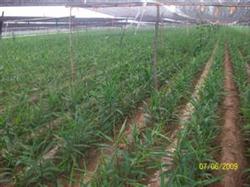
How to Grow Ginger for High Yields? Six Key Cultivation Measures Explained
1. Choose the site carefully and avoid continuous cropping. Ginger is prone to soft rot, commonly known as ginger blast, in hot and humid environments. Ginger blast is a bacterial soil-borne disease that becomes severe with continuous cropping and causes major yield losses. Because ginger is susceptible to this devastating disease, it should not be grown continuously; instead, it should be rotated with rice, cruciferous crops...
-
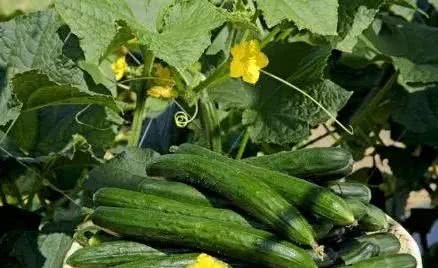
Large space in the cucumber patch means reasonable intercropping can bring high yields, but planting the wrong vegetables together leaves both sides damaged
It is time to sow autumn cucumbers again. Cucumbers have always been a vegetable deeply loved by friends, especially in summer when cold cucumber salad is very refreshing. Cucumbers are also rich in nutrients, full of protein and vitamins, and clear heat and detoxify...
-
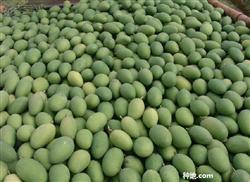
How should mangoes be fertilized to achieve high yields?
How should mangoes be fertilized to achieve high yields? Please advise. For high-yield mango cultivation, the first step is to select good varieties; after the grafted seedlings survive, timely management such as expanding the planting holes and deep plowing, and pest and disease prevention, should be carried out. Scientific and rational fertilization runs through the entire tree-age cycle and is an important link related to high yields and good fruit quality. Points to note...
-
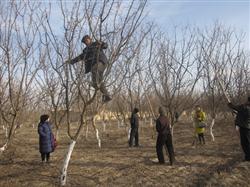
How should apricot trees be managed in winter to achieve high yields?
How should apricot trees be managed in winter for high yields? Please explain in detail. In winter, apricot trees can be managed by referring to the following methods: Pruning and shaping: Winter pruning of apricot trees is especially important. The focus is on removing diseased and weak branches and dead, dry branches to encourage flower buds to form as early as possible. At the same time, according to the terrain, the tree shape should be made favorable for sunlight, and its angles should be opened up for ventilation. After pruning...
-
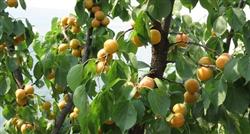
How to fertilize apricot trees for high yields? Detailed fertilization methods
How to fertilize apricot trees for high yields? Please explain in detail when to apply which fertilizer. To achieve high yields from apricot trees, you must manage fertilization at each stage well. For details, refer to the following methods: 1. Pre-bloom fertilizer. Fertilizer before bud break should be applied 15 days before flowering, with 500 g nitrogen, 300 g potassium, and 200 g phosphorus per apricot tree, mixed with human manure and urine...
条件筛选