-

How to make a Chinese arborvitae bonsai? Detailed explanation of shaping and care methods
Chinese arborvitae is also called flat pine, flat cypress, yellow cypress, etc. The flowering period is March to April; the fruit matures in October to November; it is currently cultivated all over the country. Chinese arborvitae is a temperate sun-loving tree species, with advantages such as well-developed lateral roots, strong sprouting ability, tolerance to pruning, long lifespan, resistance to smoke and dust, and resistance to sulfur dioxide, so it is one of the main species for bonsai.
-

What to do about root rot in clivia? One vitamin B12 tablet solves it easily
Many beginners growing clivia are always troubled by root rot. Today, the editor will talk to you about solutions for clivia root rot
-
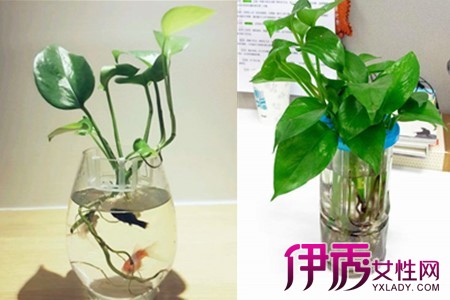
How to grow pothos in water? Master these key points to bring indoor vitality
Growing a few small green plants at home not only decorates the indoor and outdoor spaces, but also brings a bit of good mood to yourself after a tiring day. Since they are indoor green plants, it is best to choose ones that can be grown in water. The pothos, which looks good and is easy to keep alive, is a great choice.
-
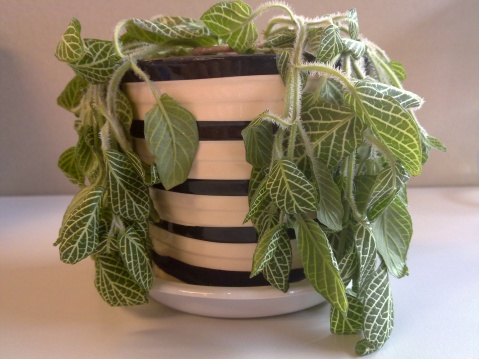
How do you rescue a wilted nerve plant so it recovers its vitality?
A perfectly healthy nerve plant may suddenly be found wilted, and growers do not know what to do. In fact, there are generally three reasons a nerve plant wilts: lack of water, waterlogged soil, and cold weather. So what should you do when a nerve plant wilts? Analysis of the reasons a nerve plant wilts: lack of water. Because some growers do not water thoroughly, the nerve plant ends up short of water.
-

Preliminary Report on the Effects of Applying Kebao Plant Super-Vitamin to Cotton
1 Materials and Methods 1.1 Test material Kebao Plant Super-Vitamin, produced and supplied by Zhejiang Kebao Biotechnology Co., Ltd.; the test variety was Xiangza Cotton No. 2. 1.2 Test site Dasha Lake Farm, Honghu City, Hubei Province. The soil texture was sandy loam; spring plowing and spring irrigation were carried out, and before land preparation, 300 kg/hm2 of 52% diammonium phosphate and 75 kg/hm2 of 46% urea were broadcast.
-
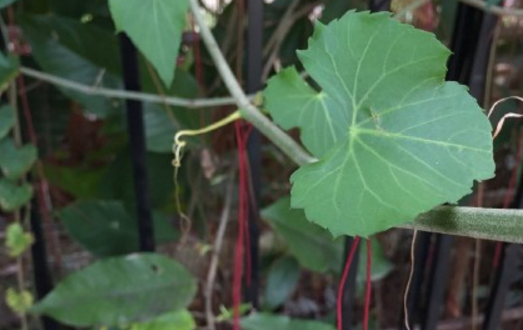
Detailed Guide to Winter Indoor Care Methods and Uses of Cayratia japonica (Vitaceae)
Cayratia japonica is a sun-loving plant that is drought-tolerant, heat-tolerant, and also slightly shade-tolerant, requiring good drainage and sunlight. So how do you care for Cayratia japonica in winter? Can it be grown at home? What uses does it have? According to available information, when planting Cayratia japonica, it is best to choose soil that has water-retention capacity but does not become waterlogged. The soil should have some fertility.
-
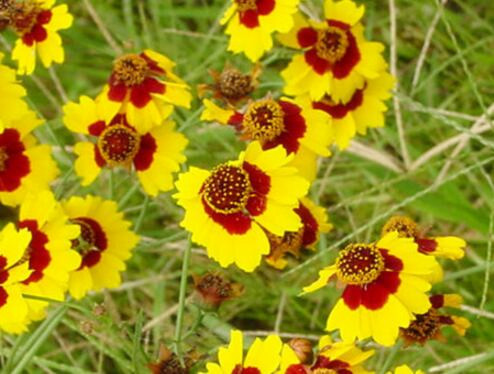
How much does a jin of Sanvitalia seed cost? Detailed explanation of planting methods and medicinal effects
Sanvitalia is a plant of the genus Sanvitalia in the Asteraceae family. It is an annual herb, growing up to 50 cm tall, with stems prostrate or ascending and more or less hairy; leaves rhombic-ovate or oblong-ovate, entire, sparsely covered with short appressed hairs on both surfaces. Native to Mexico, it is cultivated in Hong Kong, China. So, how much does a jin of Sanvitalia seed cost? How to plant it
-
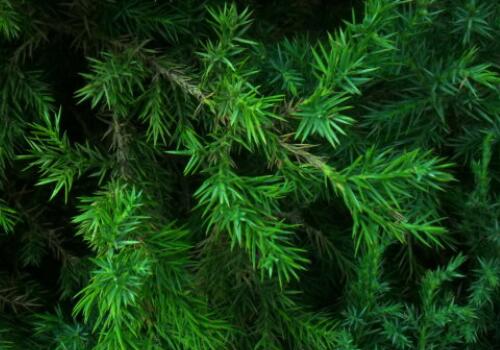
Chinese juniper sapling prices, how much per tree, differences from Chinese arborvitae, and bonsai care
Chinese juniper, also called spiny juniper, cypress, gui, and guibai, is an evergreen tree; the branchlets with scale-like leaves are round or nearly square. It is used for hedges, street trees, and can also be used as material for stump bonsai and bonsai. So how much does a Chinese juniper sapling cost per tree? What is the difference from Chinese arborvitae? How do you care for the bonsai? How much does a Chinese juniper sapling cost per tree
-
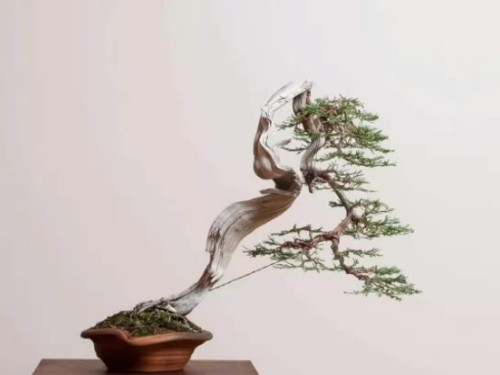
How to grow a Chinese arborvitae (Thuja sutchuenensis) bonsai? A detailed explanation of the key cultivation techniques
Chinese arborvitae is a very attractive ornamental plant. Chinese arborvitae is a sun-loving plant, and this tree is fairly shade-tolerant; when growing Chinese arborvitae, be sure to choose relatively dry soil. It does not grow easily in acidic soil or saline soil.
-
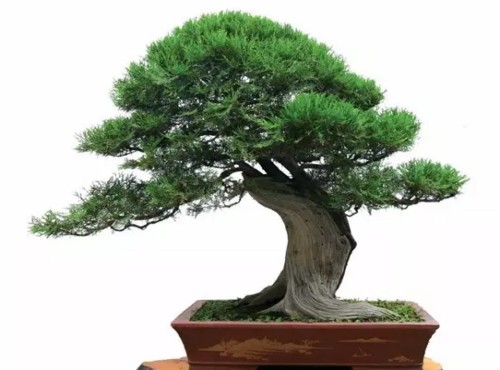
Detailed guide to making Chinese arborvitae (Platycladus orientalis) bonsai, shaping it step by step
Chinese arborvitae (Platycladus orientalis), of the cypress family and the genus Platycladus. It is vigorous and not particular about soil, but grows slowly and lives extremely long; ancient trees over a thousand years old can be seen everywhere. Chinese arborvitae bonsai has high ornamental value; to maintain its graceful posture, you must spray when watering. Rinse the dust and dirt off its leaves, branches and trunk, and the surface of the pot, which helps with light exposure
条件筛选