-
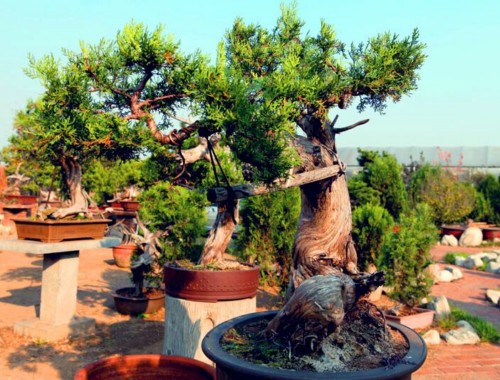
Essential Techniques and Styling Methods for Creating Chinese Arborvitae (Platycladus orientalis) Bonsai
Tip pinching and shari (deadwood) are important techniques that must be mastered in creating Chinese arborvitae bonsai. Tip pinching is essentially leaf pinching. Because the young branches of Chinese arborvitae develop from scale-like small leaves, removing the tender shoots and leaves can control rampant growth. At the same time, the tips are also the only choice for organizing the crown form, standardizing the tree's appearance, and beautifying the landscape.
-
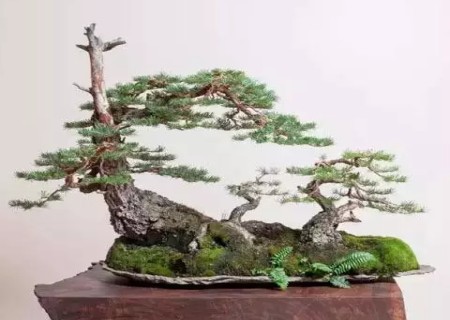
How to grow a Chinese arborvitae (Thuja sutchuenensis) bonsai? Detailed care conditions and techniques
A tree form that blends the withered and the flourishing, where life and death coexist, twisted and ever-changing, lets people feel the vicissitudes of time and the power of life even more. This realm expressed by the Chinese arborvitae cannot be surpassed by any bonsai material that has appeared in the world today. The Chinese arborvitae is the king of root art, and the Chinese arborvitae bonsai is likewise the king of bonsai
-

How to Grow a Chinese Arborvitae Bonsai? A Detailed Guide to Planting Methods
There are many ways to enjoy Chinese arborvitae (Platycladus orientalis); some enjoy its unique fragrance, some enjoy its ethereal, immortal-bone demeanor, some enjoy its millennium-aged small decorative pieces, and others enjoy its culturally evocative carvings, while bonsai cultivation is the highest level of enjoying Chinese arborvitae. A tree form where withering and flourishing complement each other, life and death coexist, and twists and turns transform
-
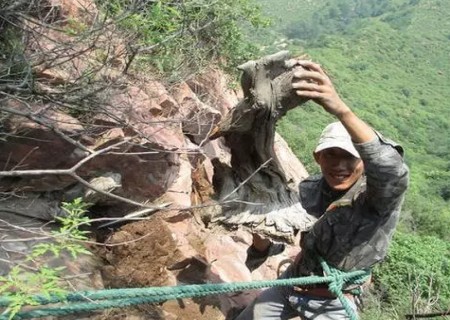
Detailed Explanation of Key Techniques for Transplanting Chinese Arborvitae (Thuja sutchuenensis) Bonsai
Many people not only love Chinese arborvitae bracelets, but also want to obtain a Chinese arborvitae bonsai. Chinese arborvitae is a prehistoric plant originating more than 300 million years ago, a relict plant from the Cretaceous period of the dinosaur era, known as the world's rarest and oldest gymnosperm, and an extremely rare surviving plant living fossil in the world
-
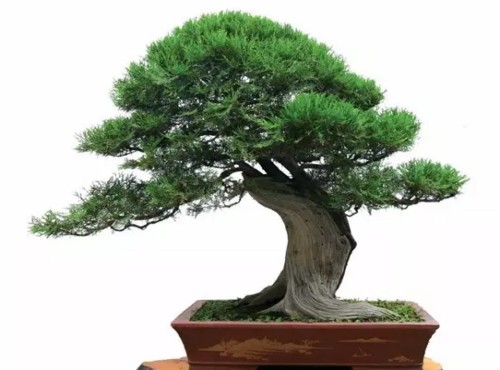
Detailed guide to making Chinese arborvitae (Platycladus orientalis) bonsai, shaping it step by step
Chinese arborvitae (Platycladus orientalis), of the cypress family and the genus Platycladus. It is vigorous and not particular about soil, but grows slowly and lives extremely long; ancient trees over a thousand years old can be seen everywhere. Chinese arborvitae bonsai has high ornamental value; to maintain its graceful posture, you must spray when watering. Rinse the dust and dirt off its leaves, branches and trunk, and the surface of the pot, which helps with light exposure
-
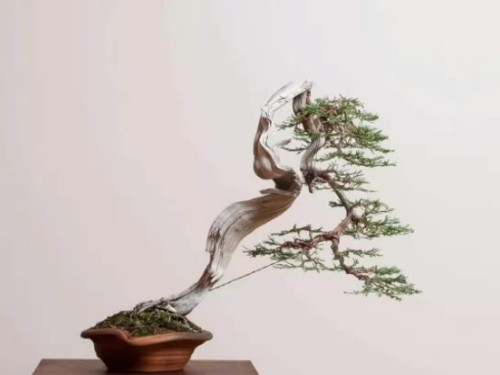
How to grow a Chinese arborvitae (Thuja sutchuenensis) bonsai? A detailed explanation of the key cultivation techniques
Chinese arborvitae is a very attractive ornamental plant. Chinese arborvitae is a sun-loving plant, and this tree is fairly shade-tolerant; when growing Chinese arborvitae, be sure to choose relatively dry soil. It does not grow easily in acidic soil or saline soil.
-
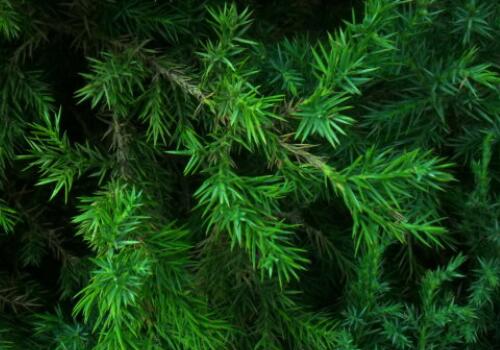
Chinese juniper sapling prices, how much per tree, differences from Chinese arborvitae, and bonsai care
Chinese juniper, also called spiny juniper, cypress, gui, and guibai, is an evergreen tree; the branchlets with scale-like leaves are round or nearly square. It is used for hedges, street trees, and can also be used as material for stump bonsai and bonsai. So how much does a Chinese juniper sapling cost per tree? What is the difference from Chinese arborvitae? How do you care for the bonsai? How much does a Chinese juniper sapling cost per tree
-
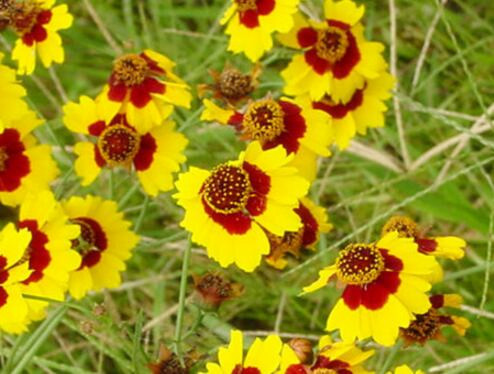
How much does a jin of Sanvitalia seed cost? Detailed explanation of planting methods and medicinal effects
Sanvitalia is a plant of the genus Sanvitalia in the Asteraceae family. It is an annual herb, growing up to 50 cm tall, with stems prostrate or ascending and more or less hairy; leaves rhombic-ovate or oblong-ovate, entire, sparsely covered with short appressed hairs on both surfaces. Native to Mexico, it is cultivated in Hong Kong, China. So, how much does a jin of Sanvitalia seed cost? How to plant it
-
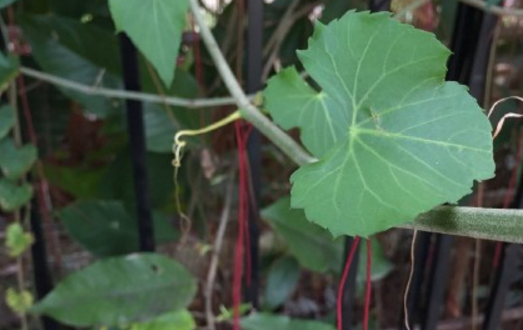
Detailed Guide to Winter Indoor Care Methods and Uses of Cayratia japonica (Vitaceae)
Cayratia japonica is a sun-loving plant that is drought-tolerant, heat-tolerant, and also slightly shade-tolerant, requiring good drainage and sunlight. So how do you care for Cayratia japonica in winter? Can it be grown at home? What uses does it have? According to available information, when planting Cayratia japonica, it is best to choose soil that has water-retention capacity but does not become waterlogged. The soil should have some fertility.
-
Preliminary Report on the Effects of Applying Kebao Plant Super-Vitamin to Cotton
1 Materials and Methods 1.1 Test material Kebao Plant Super-Vitamin, produced and supplied by Zhejiang Kebao Biotechnology Co., Ltd.; the test variety was Xiangza Cotton No. 2. 1.2 Test site Dasha Lake Farm, Honghu City, Hubei Province. The soil texture was sandy loam; spring plowing and spring irrigation were carried out, and before land preparation, 300 kg/hm2 of 52% diammonium phosphate and 75 kg/hm2 of 46% urea were broadcast.
条件筛选