-

Characteristics and Types of African Violets Explained
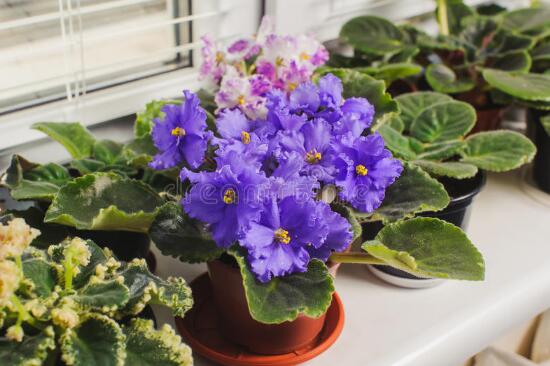
African violets prefer a warm, humid, well-ventilated, semi-shaded environment; they dislike high temperatures and fear strong light. The suitable growing temperature is 18-24°C; in winter the temperature must not drop below 10°C, and in summer it must not exceed 30°C, with relative humidity of 40%-79%. The plant is short and forms a rosette shape; the leaves are thick and fleshy like velvet; the flowering period is long, and the flower color is mainly blue-purple, which is how the common name "violet" came about. They are easy to propagate and are a popular indoor potted ornamental plant worldwide. Through hybridization, their horticultural varieties have continued to increase, now numbering more than 2,000
-
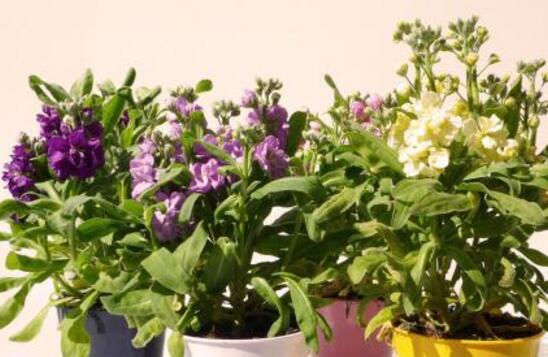
How to prune potted violets? Illustrated pruning methods to help them bloom again
As everyone knows, among the effects and benefits of violets, one of its greatest is the extremely high ornamental value of its flowers, but to maintain overall beauty during the growth process, it also needs to be pruned at the appropriate time. So how do you prune potted violets? Let's take a look at the illustrated violet pruning methods
-
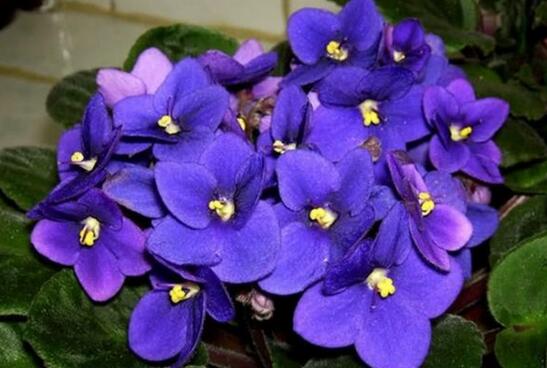
How to propagate violets? Seed propagation gives better flowering
Since violets have so many uses and benefits, some people want to keep growing them forever, and that brings up the question of propagation. What is the scientific way to propagate violets? There are currently two mainstream violet propagation methods, namely seed sowing and cuttings
-
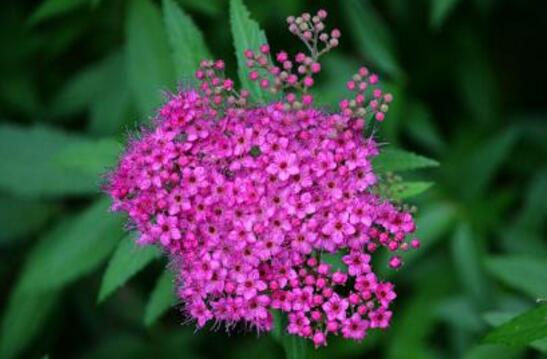
What to Do When Violets Get Bugs? Detailed Pest and Disease Prevention and Control Methods
Although violet flowers are beautiful, the prerequisite for enjoying this beautiful sight is that they can grow healthily and bloom. If pests and diseases occur due to improper violet cultivation methods, it will undoubtedly cause huge harm to the violets.
-
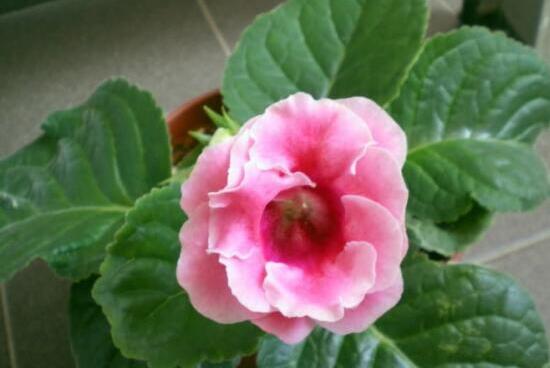
Why won't African violets bloom? They need plenty of light to flower
As a beautiful flowering plant, the beauty of an African violet in bloom goes without saying. Its flowers are elegant in shape and rich, vivid in color, making it extremely pleasing to the eye. It is precisely because African violets are so beautiful that many people keep them at home. But as they care for them, quite a few growers find that their plants are not blooming
-
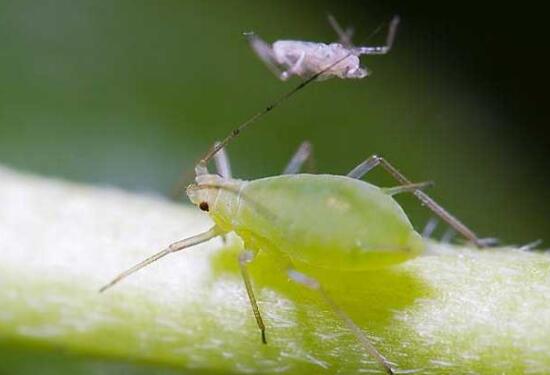
What to Do When African Violets Get Aphids? Common 3 Pests and 4 Diseases and Their Chemical Control
When growing African violets indoors, there are some care techniques and pest and disease control methods everyone needs to master. I won't say much about African violet care techniques here, as I believe everyone has already mastered them. Next, let's talk about pests and diseases, and aphids are the pest most likely to appear on African violets, so what should you do when African violets get aphids?
-
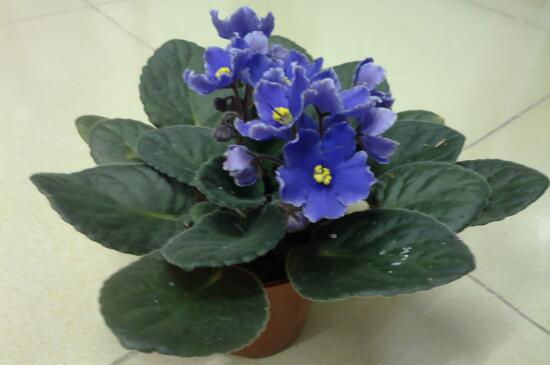
What to Do When African Violets Get Pests or Diseases? 2 Pests and 3 Diseases Prevention and Treatment Methods
As a beautiful flower, the African violet has many benefits. It is not only good-looking, but can also repel mosquitoes and insects, and can beautify the home. However, when grown indoors, because the environment is too poor and care is improper, the plant often gets pests and diseases. So what should be done when African violets get pests?
-
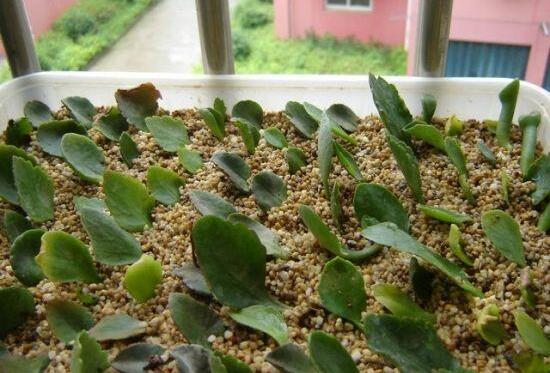
How do you propagate African violets? Leaf cuttings are the most practical method
When it comes to African violets, gardening enthusiasts are certainly familiar with them. They are an ornamental flower with a great many varieties and rich colors, deeply loved by flower lovers. In daily life, many people want to grow African violets, but buying them to grow is not as good as planting them yourself, and this requires us to master the propagation methods of African violets. So
-
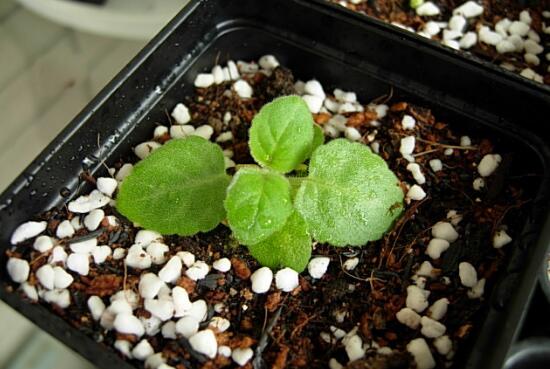
How to propagate African violets? Of the two propagation methods, leaf cuttings have the highest survival rate
The African violet is a beautiful ornamental flower with many varieties and rich, vivid colors. Grown as a potted plant indoors, it purifies the air and beautifies the home. With a plant like this, the more the better, of course, and that requires us to master the propagation methods of the African violet. So how do you propagate an African violet?
-
Yellowing leaves on African violets are mostly caused by insufficient light, overwatering, or improper fertilizing
Keeping an African violet indoors is a choice many flower lovers make; its leaves are emerald green and its flowers brightly colored, giving it excellent ornamental value. But during the growing process, for various reasons, many growers' African violets develop yellow leaves, seriously affecting the plant's ornamental appeal. So what causes yellowing leaves on African violets
条件筛选