-
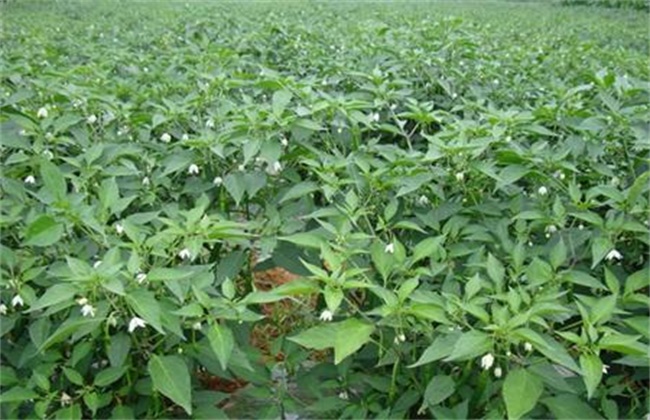
What are the precautions for applying zinc fertilizer to vegetables
Precautions for applying zinc fertilizer to vegetables
-
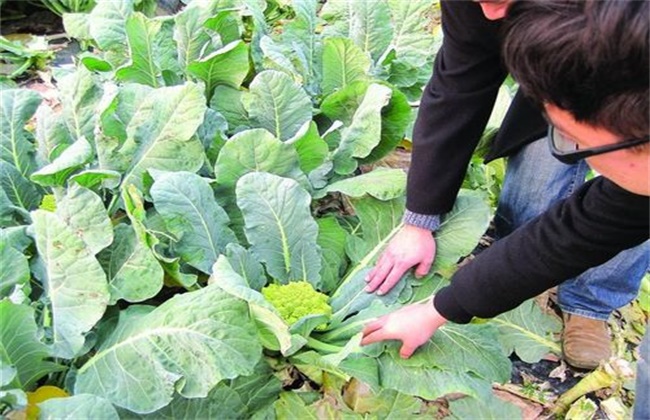
Which chemical fertilizers should not be applied to vegetables? Fertilization taboos you need to know
Which chemical fertilizers should not be applied to vegetables
-

Ten things to avoid when fertilizing greenhouse vegetables in winter, growers must keep in mind
Ten things to avoid when fertilizing greenhouse vegetables in winter
-
How to correctly apply potassium sulfate compound fertilizer to vegetables
How should potassium sulfate compound fertilizer be applied to vegetables? Please provide an introduction. The following introduces several methods for applying potassium sulfate compound fertilizer to vegetables for reference: Cucumber: For a general high-yield cucumber field, apply 5000 kg of high-quality organic fertilizer and 50 kg of potassium sulfate compound fertilizer per mu as base fertilizer. The principle for topdressing is small amounts applied frequently, with a total topdressing amount of about 50 kg...
-
Applying organic fertilizer to vegetables has its rules; more is not always better
Traditional agriculture holds that vegetable fields should be given large amounts of organic fertilizer, and some even believe that the more organic fertilizer, the better. But according to the results of many trials in various places in recent years, appropriately increasing the application of organic fertilizer can effectively control excessive nitrate in vegetables, while blindly increasing organic fertilizer will cause excessive nitrate in vegetables. The nitrate contained in vegetables...
-
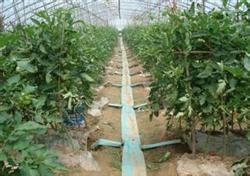
Detailed Explanation of Integrated Water and Fertilizer Technology for Greenhouse Vegetables
Giving greenhouse vegetables an "IV drip" is actually integrated water and fertilizer technology, that is, integrating irrigation and fertilization. Specifically, with the help of a pressure system (or natural terrain drop), soluble solid or liquid fertilizers are prepared into a fertilizer solution according to soil nutrient content and the fertilizer requirements of the vegetable type, and together with irrigation water...
-
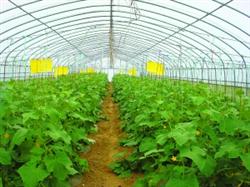
Correct Methods and Technical Key Points for Foliar Fertilization of Vegetables
Spraying an aqueous solution of the nutrients plants need onto the leaves, so that plants directly absorb effective nutrients through their leaves, is a technique called foliar fertilization of vegetables. Compared with soil fertilization, this technique has the advantages of rapid conversion, high fertilizer use efficiency, and promotion of nutrient uptake by the root system. Foliar fertilizers can be broadly divided into macro...
-
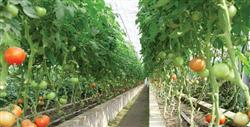
What are the key technical points for foliar spraying of micronutrient fertilizers on vegetables?
Micronutrient fertilizers are indispensable nutrient elements in the growth and development of vegetables. Diluting micronutrient fertilizers and applying them as foliar fertilizer costs little, takes effect quickly and gives high returns. The key technical points are: 1. Spraying concentration. Only a suitable concentration can achieve good results; in particular, the concentration must not be too high, otherwise it is not only useless but harmful....
-
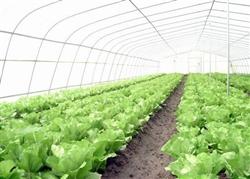
Why is it not advisable to apply too much organic fertilizer to vegetables?
Traditional agriculture holds that vegetable fields should be heavily fertilized with organic fertilizer, and some vegetable growers even believe that the more organic fertilizer, the better. However, according to the results of many experiments carried out in various places in recent years, appropriately increasing the application of organic fertilizer can effectively control the nitrate content of vegetables, while blindly increasing the application of organic fertilizer will cause the nitrate content of vegetables to exceed the standard. Vegetable nitrate...
-
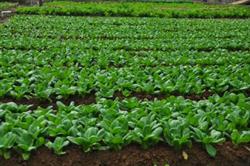
Foliar fertilizer spraying methods for vegetables vary by variety
Leafy vegetables such as Chinese cabbage, spinach, shepherd's purse, etc. need more nitrogen, so the fertilizer sprayed should mainly be urea and ammonium sulfate, with a urea spraying concentration of 1%-2% and ammonium sulfate of 1.5%, sprayed 2-4 times per season, preferably during the early growth stage. Fruiting vegetables such as chili peppers, eggplants, tomatoes, green beans and various melons have a...
条件筛选