-

What are the nutritional values and benefits of avocado? Small but packed with nutrients
Per 100g of avocado, more than 15% is fat; it also contains vitamin B6, folate, potassium, calcium, iron, magnesium, phosphorus, sodium, zinc, copper, manganese, selenium, glyceric acid, protein and vitamins, among which the data: calories: 58 kcal,. There are many kinds of fruit, have you ever eaten avocado, it is a tropical fruit, and the price is a bit higher. But its nutritional value is high and it tastes good. It can supplement rich iron, calcium, minerals and so on. Do you know the nutrition of avocado.
-
What are the ways to eat avocado and its nutritional value?
Most fruits are high in calories, but the fat contained in avocado is the high-quality fat that the human body greatly needs. It is also rich in a variety of vitamins as well as minerals such as sodium, potassium, magnesium and calcium, and its dietary fiber content is also very high, so people with constipation can also appropriately eat avocado. Step 8: Spread avocado on the other slice as well, place it over the egg, cut 2 diagonal cuts to form an X shape. Step 9:. How to eat butter, toast bread recipe, what avocado tastes like, is avocado delicious, how to eat avocado, toast and bread.
-

When Does Ivy Bloom? Detailed Guide to Cutting Propagation and Medicinal Value
Ivy is a perennial evergreen climbing shrub of the genus Hedera in the Araliaceae family. Its leaves are beautiful and it stays green all year round, and it is often used for vertical greening in various places in the south. So, when does ivy generally bloom? How do you propagate it by cuttings? What medicinal value does it have? When does ivy bloom? The flowering period of ivy is from September to November
-
How to grow Murraya paniculata (orange jasmine) and points to note, floral uses, effects and benefits, nutritional value z..., hydroponic growing method for Murraya paniculata, 5 steps to make Murraya paniculata grow more vigorously
To give us a better understanding of hydroponics, the Money Tree Home will now share the hydroponic growing method for Murraya paniculata. Key points for hydroponic growing of Murraya paniculata: 1. Water-changing routine. In the hydroponic growing method for Murraya paniculata, first we need [more]. Murraya paniculata is an evergreen shrub with a rich fragrance that offers both flowers and foliage to enjoy. It can normally be grown as a potted plant at home; it has an elegant plant form and dense branches and leaves, with extremely high ornamental value, and it can also purify the air and beautify the indoor environment, but this kind of [more]
-
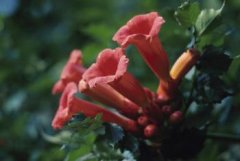
Reasons for Trumpet Vine Flower Death and the Medicinal Value of Trumpet Vine Roots
Trumpet vine, also known as trumpet creeper, usually grows aggressively. It spreads and climbs over various structures, in some cases reaching up to 35 feet. Although trumpet vine is very hardy, resistant to most pests and diseases, and not picky about water or soil
-
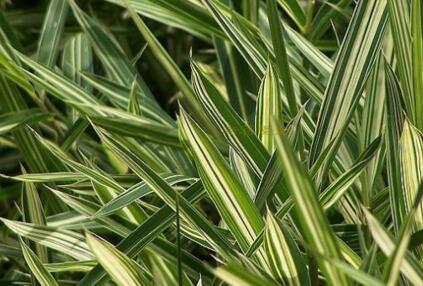
Is the world's smallest bamboo, Pleioblastus fortunei, a tree? Value and cultivation
Pleioblastus fortunei is one of the smallest bamboos in the world. Pleioblastus fortunei has little value for timber and shoots, but it has high ornamental value and forage value. So, is the world's smallest bamboo, Pleioblastus fortunei, a tree? What are its main values? How is it cultivated? Is the world's smallest bamboo, Pleioblastus fortunei, a tree?
-
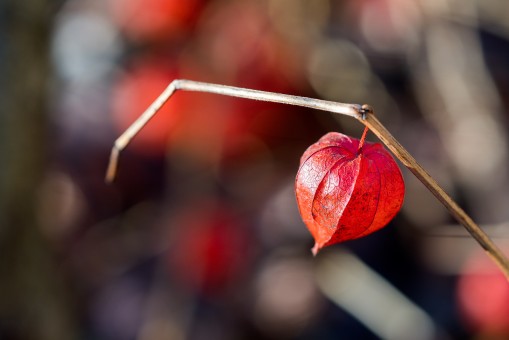
Is it feasible to grow Chinese lantern (Physalis) perennial herb in rural areas, and what are its value and planting time?
Chinese lantern, also known as Physalis alkekengi, ghost lantern, and bitter lantern, is a perennial herb common in most parts of our country, and is widely cultivated because of its high medicinal value. So is it feasible to grow Chinese lantern in rural areas? What values does it have? When is the best time to plant? When to harvest
-

The Efficacy and Effects of the Resurrection Fern (Selaginella), Its Cultivation Methods, and Its Medicinal Value
Resurrection fern is a Chinese medicinal herb, also known as Selaginella or stone cypress. It is a perennial fern whose entire plant can be used as medicine, and it has particularly high medicinal value, as it can be used for the prevention and treatment of some common human diseases. Many people are not very clear about the efficacy and effects of the resurrection fern. How exactly should the resurrection fern be cultivated
-
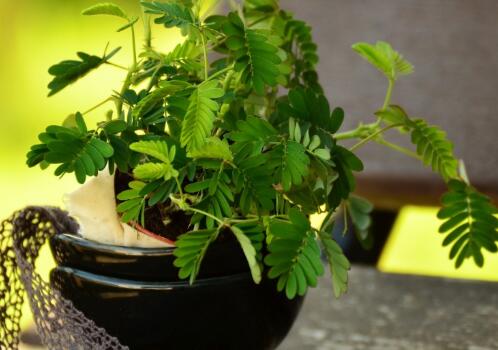
Is Mimosa pudica toxic? Medicinal value, indoor placement and the reason it is shy explained
In the plant kingdom there is a green plant whose leaves close at a touch, the mimosa (Mimosa pudica, also called sensitive plant). I believe many friends who like growing green plants at home have grown one. But do you know whether the mimosa, which can treat illnesses, is toxic? Can it be placed indoors? Why is it shy? Let us find out together below. What does the mimosa look like?
-
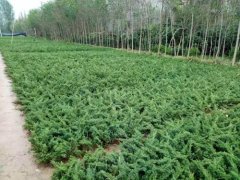
Is a creeping juniper bonsai suitable to keep at home? Value and premium price analysis
The creeping juniper is an evergreen small shrub and also belongs to the cypress family, but this kind of cypress does not grow tall, generally around 70-80cm, so it is called creeping juniper. Its economic value is generally as a bonsai. Is a creeping juniper bonsai valuable? Yes, it is valuable. So is a creeping juniper bonsai
条件筛选