-

A detailed guide to the planting method of Echeveria pulidonis, teaching you how to grow it with good vigor
A detailed introduction to the planting methods and care techniques of Echeveria pulidonis, including how to grow Echeveria pulidonis, soil mixing, light and watering, propagation methods, fertilizing and pruning, pest and disease control, and other practical content.
-

Just got a Phalaenopsis? Here's how to tell if it's good or bad - beginners only need these 5 points
Recently, beginner flower lovers have been complaining that the Phalaenopsis they just brought home from the flower market wilted after only a few days. In fact, the problem most likely started at the "seedling selection" stage! Today let's talk about how to quickly judge whether a Phalaenopsis you just got is good or bad. Beginners who follow along can basically avoid 80% of the pitfalls. First, look at the most obvious thing - the state of the flowers
-
Why is there water vapor on the pot walls of a Phalaenopsis orchid, and is it a good sign?
Have you ever noticed, while growing a Phalaenopsis orchid, that the pot walls are covered in tiny water droplets, that they feel damp to the touch, or that the potting medium is even sticky? In fact, this is the orchid sending out a "distress" signal! Water vapor on the pot is mostly a sign of overwatering or an environment that is too humid, and if it is not dealt with in time, root rot comes easily. Today I will walk you through the fix step by step, so even beginners can handle it with ease.
-

Is it good for a Phalaenopsis orchid to grow small plantlets, and how should you handle it?
When it comes to a Phalaenopsis orchid growing small plantlets, this is definitely a good thing! It was originally just one pot of orchid, and quietly sprouting small shoots shows that the mother plant is being raised strong and has the energy to branch out and spread leaves. This is a little achievement for any orchid grower. First, let's talk about the good aspects. If a Phalaenopsis orchid can grow small plantlets, it means the mother plant has a good foundation, sufficient nutrients,
-

Is It Good for Phalaenopsis to Be in a Draft for a Long Time? Watch Out for These Harms
Friends who grow Phalaenopsis orchids have probably all heard the phrase "it needs ventilation," but if you take that to mean "keep it in a draft long-term," you'll be doing this delicate flower a disservice. In fact, this little Phalaenopsis is especially sensitive to wind - it's not that the stronger the wind the better, and it certainly can't withstand being "blown with cold air" or "blown with hot air" for long periods. Why do some people think Phalaenopsis
-

Is it good to repot Phalaenopsis orchids frequently? What effects will it have?
Beginner growers always love to fuss, and when they see other people's Phalaenopsis orchids burst into bloom after repotting, they can't resist fiddling with their own too. In fact, frequently repotting Phalaenopsis orchids is not a good thing and may bring a series of problems. Phalaenopsis orchids really are not suited to frequent repotting! This flower is different from other plants; its root system is very delicate and belongs to the
-

What Kind of Bark Is Suitable for Phalaenopsis Orchids? Learn to Judge Good and Bad Bark
Many friends have heard that they should use bark when growing Phalaenopsis orchids, but once they get it in their hands they are stumped: what exactly should this bark be like to be suitable? How do you tell whether the orchid is growing well in bark? When choosing bark for Phalaenopsis orchids, you have to pay attention to air permeability and water retention. The most commonly used is pine bark, especially decomposed pine bark. Decomposed pine bark is darker in color, feels soft and does not prick the hand, and smells slightly of gentle fermentation rather than a pungent sour or foul odor.
-

What is the function of a nutrient cup for Phalaenopsis, and is its air permeability good?
In flower cultivation, choosing a suitable growing container is crucial for plant growth. As a popular indoor ornamental plant, Phalaenopsis has particularly specific requirements for container selection during its cultivation. The nutrient cup, as a growing container designed specifically for plant root development, plays an important role in Phalaenopsis cultivation.
-
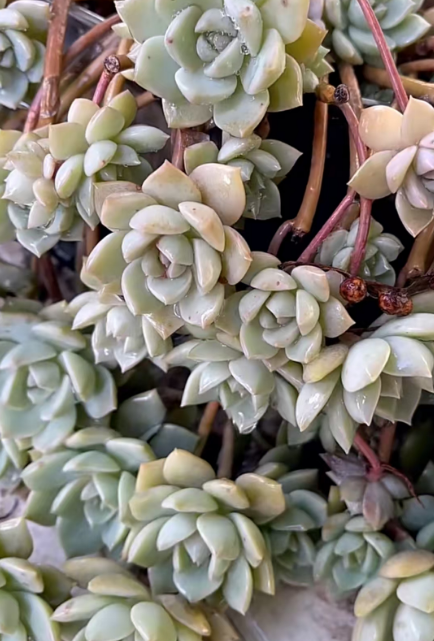
Is it a good thing for succulents to produce lateral buds?
In fact, the appearance of lateral buds on succulent plants is a delightful phenomenon, indicating that the plant is full of vitality and in good health. As
-
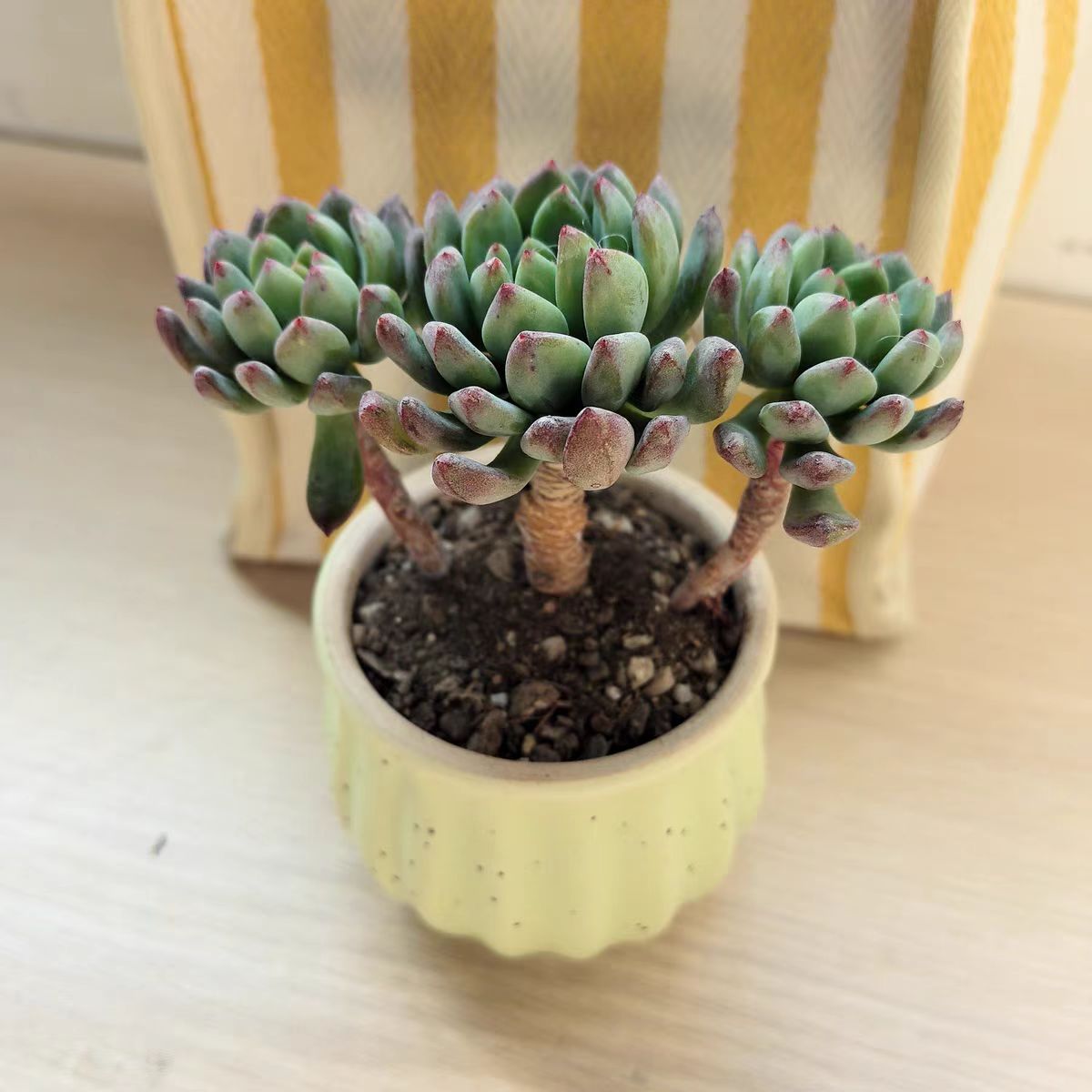
What does it mean when a succulent blooms? Is it good or bad?
Blooming in succulents is a natural phenomenon in their growth cycle, indicating that the plant has matured and entered the reproductive stage. From the
条件筛选