-

Detailed Explanation of the Causes of Excessive Vegetative Growth in Cotton and the Control Methods
Causes of Excessive Vegetative Growth in Cotton and the Control Methods
-
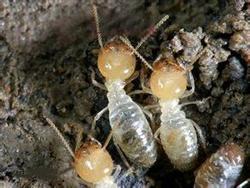
Detailed Explanation of the Harm Caused by Sugarcane Termites and Control Methods
The main sugarcane termites are Odontotermes formosanus and Macrotermes barneyi. Sugarcane is subject to termite damage throughout its entire growth period, with the most severe damage occurring during the germination stage after planting. When attacking seed cane, they mostly invade through the cut ends at both sides, boring into and feeding on the internal tissues of the stem, preventing the seed pieces from sprouting. In the mid-to-late stages, they bore in through the underground cane stem, causing the interior of the stem to become hollow, leaves to turn yellow or tips to dry out, and the entire plant to wither and die.
-
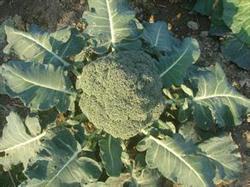
Causes and Control Methods of Off-Color Curds in Broccoli
Broccoli, also known as green cauliflower or broccoli, prefers a cool climate. The summer-sowing cultivation techniques are introduced as follows: 1. Early preparation (1) Variety. Choose hybrid F1 varieties with early maturity, strong stress resistance and the highest yield. The main varieties are Yuguan, Teji Yuguan, Wanlü, etc. (2) Plot. Requires rich organic matter...
-
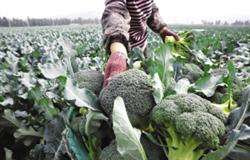
Causes and Control Methods of Hollow Main Stems in Broccoli
Broccoli, also known as green cauliflower, is suitable for growing under cool climate conditions. Its produce is tender in texture, unique in flavor and rich in nutrients, especially very high in vitamin C, making it a fashionable high-grade vegetable. Because of the higher altitude in the mountainous areas of Lantian County, the summer climate is cool and humid with few pests and diseases, making it suitable for broccoli growth, especially...
-
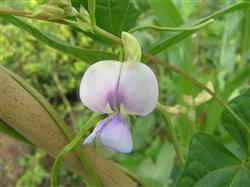
Causes of Flower and Pod Drop in Common Beans and Control Methods
There are several causes of flower and pod drop in common beans, along with solutions, for the reference of farmer friends. 1. Variety: Some varieties have poor cold resistance and stress resistance when cultivated in early spring. 2. Climatic effects: There is a lot of cold, overcast weather after the Spring Festival. 3. Cultivation mistakes: (1) Insufficient fertilizer and water supply or excessive watering at the early flowering stage. ...
-
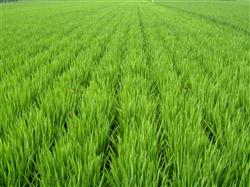
Causes and Control Methods of Rice Deadheart Disease
Key Points of Rice Dry Seedbed Cultivation Technology 1. Apply sufficient base fertilizer: In combination with deep ploughing or leveling the field with irrigation water, apply 30-40 kg of rice-specific compound fertilizer, ammonium bicarbonate and 20-25 kg of ordinary calcium superphosphate per mu, applied all at once as a middle fertilizer. Fields with broad bean as the previous crop should receive a larger amount, while vegetable or potato fields should receive a smaller amount. 2. Transplant shallowly and sparsely at the right time...
-
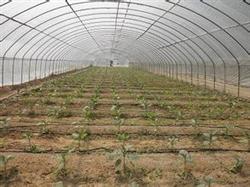
Causes of Flower Drop in Greenhouse Eggplants and Control Methods
There are many causes of flower drop in eggplants. For example, excessive vegetative growth, weak plant growth, soil that is too dry or too wet, and excessively high temperatures or insufficient light can all cause flower drop in eggplants. Control measures for excessive vegetative growth: carry out timely seedling hardening of the young plants, appropriately control water and fertilizer during the seedling hardening period, cultivate and loosen the soil...
-

Cause analysis and prevention and control methods for shiitake mushroom log rot
Causes and prevention and control methods of shiitake mushroom log rot
-

What causes deformed melon fruit? Causes and control methods
Causes of deformed fruit in melons and control methods
-
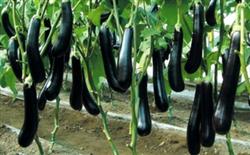
Common Problems of Greenhouse Eggplant in Early Spring and Their Control Methods
In the early spring season, when temperatures are low and light is weak, greenhouse eggplant often shows various abnormal conditions. The common problems and their control are described below: 1. Stunted seedlings In the early spring crop, eggplant often shows stunted seedling symptoms at the seedling stage, such as small leaves, dark green color, thin stems and few roots. After transplanting, such seedlings recover slowly, grow weakly, and...
条件筛选