Causes of Flower Drop in Greenhouse Eggplants and Control Methods
There are many causes of flower drop in eggplants. For example, excessive vegetative growth, weak plant growth, soil that is too dry or too wet, and excessively high temperatures or insufficient light can all cause flower drop in eggplants. Control measures for excessive vegetative growth: carry out timely seedling hardening of the young plants, appropriately control water and fertilizer during the seedling hardening period, cultivate and loosen the soil...
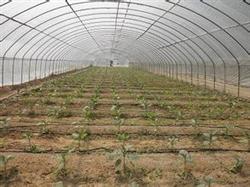
There are many causes of flower drop in eggplants. For example, excessive vegetative growth, weak plant growth, soil that is too dry or too wet, and excessively high temperatures or insufficient light can all cause flower drop in eggplants.
Control measures for excessive vegetative growth: carry out timely seedling hardening of the young plants, appropriately control water and fertilizer during the seedling hardening period, cultivate and loosen the soil, and spray No. 3 Flower Promoter at the proper time so that the abundant essential nutrients in the shoot tips of the branches flow back and are redirected to fully supply the reproductive development of the fruit, so that vegetative growth promptly shifts to reproductive growth.
Control measures for weak plant growth: when transplanting, select strong seedlings, and at the same time increase fertilizer application to promote root growth and strengthen the seedlings. After the seedlings are transplanted, spray New High-Fat Film, which can effectively prevent aboveground water from evaporating, prevent water in the seedling body from transpiring, isolate pests and diseases, shorten the seedling recovery period, and help the plants quickly adapt to the new environment and grow healthily. According to the plant growth conditions, implement flower thinning and fruit limiting management.
Control measures for insufficient light: increase the duration of light exposure and the amount of light received. On sunny days, uncover the straw curtains early and cover them late to extend the lighting time; on cloudy days, the curtains should also be uncovered to absorb scattered light; on rainy days, shorten the time the curtains are uncovered. Spray New High-Fat Film on the leaves at the proper time, which can prevent viral infection of the leaves, make the branches and leaves lush and green, and enhance the accumulation of photosynthesis products and the ability for directional transport. Light can also be increased by hanging reflective curtains on the back wall, laying reflective film on the ground, and using fluorescent lamps for supplemental lighting at night.
Temperature control: during the flowering period, the daytime temperature should be controlled at 25-30°C, and the nighttime temperature should be lowered to 15-17°C.
Humidity control: air humidity is generally around 80%. When it is dry, irrigate promptly to dissolve salts and keep the soil moist. When humidity is too high, ventilate promptly to remove moisture, and avoid flooding irrigation that increases humidity.