-

What are the causes of stiff seedlings in rapeseed and the control methods?
Causes of stiff seedlings in rapeseed and control methods
-
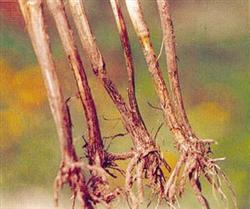
Detailed Explanation of the Causes of Mass Asparagus Death and Prevention and Control Methods
The causes of asparagus plant death are as follows: 1. Asparagus likes light. In September-October 2007, just when the aboveground parts of asparagus were growing vigorously and accumulating nutrients to lay the foundation for a high yield the following year, there was an unexpected continuous rainy period the likes of which had not been seen for many years. Light was severely insufficient, causing asparagus growth to stagnate, nutrient accumulation to decrease, and stress resistance to...
-
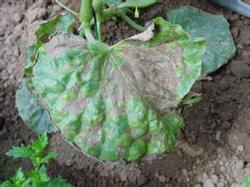
How to treat bacterial leaf blight in greenhouse melons? Detailed control methods
This disease is a bacterial disease that mainly damages leaves, petioles and young melons, and can cause damage throughout the entire growth period. When infected at the seedling stage, the cotyledons show water-soaked yellow sunken spots. When leaves are infected, the early stage shows light green water-soaked spots on the underside of the leaves, and gradually the leaf surface turns into light brown necrotic lesions. After drying, the lesion area becomes brittle and perforated. To prevent this disease...
-
Causes and Control Methods of Deformed Melon Fruits
For melons raised in greenhouses and grown with double-film cultivation, the fruit-setting rate is not high, and flower and fruit drop is very serious. According to surveys, some drop rates reach as high as over 70%, especially for thick-skinned melons, where the drop rate is even higher. This affects both yield and quality, delays the melon's time to market, and reduces profits. The reasons are: first, too much base fertilizer was applied...
-
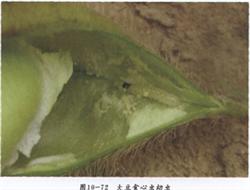
What damage does the soybean pod borer cause? A detailed explanation of control techniques and methods
The soybean pod borer belongs to the order Lepidoptera, family Tortricidae, and is also known as the soybean pod-boring moth, pod worm, and small red worm. Its larvae bore into soybean pods and feed on the beans, with an annual bean-feeding rate of about 10-20%, up to 30-40% in severe cases and as high as 80% at worst, and it also affects soybean quality and lowers the grade. When the soybean pod borer appears in the field...
-
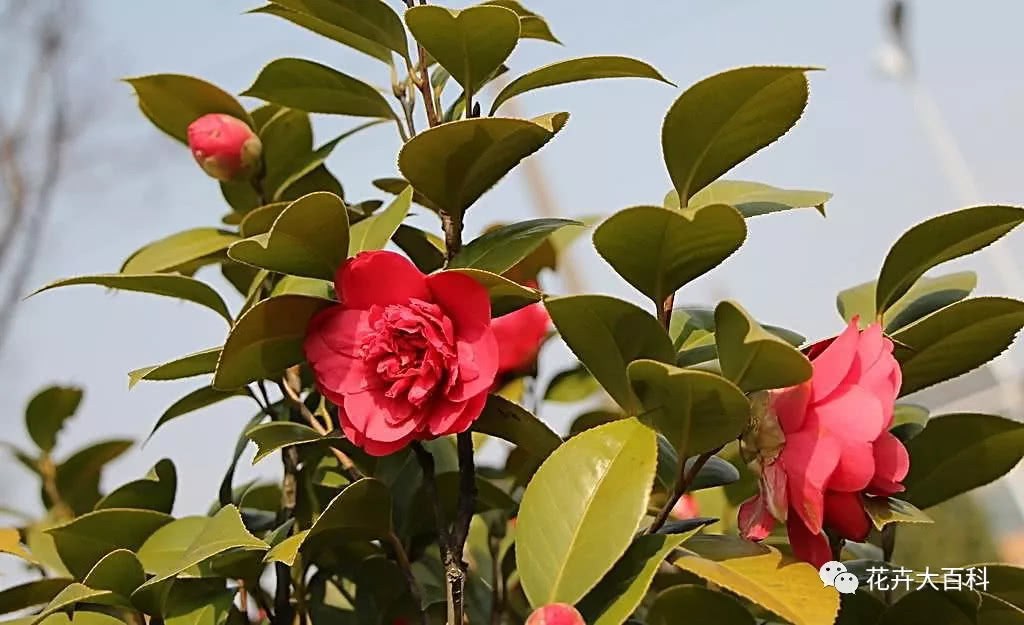
Camellias That Won't Grow Turn Into "Old Rascals" - Find the Right Causes and Methods and They'll Naturally Grow Fast
Everyone loves the bright, compact look of camellias, but many friends buy them, plant them at home, and after a while run into problems - the camellia just won't grow? It has turned into an "old rascal." Why does this happen? Below...
-

What causes white heads in wheat? Detailed explanation of causes and control methods
Causes of white heads in wheat and control methods
-
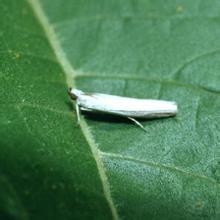
Damage Caused by the Sunflower Moth Borer and Its Control Methods
Damage characteristics: The 1st-2nd instar larvae gnaw on the tubular florets; after the 3rd instar they bore along the gaps between the arranged sunflower seeds to feed on the seeds, eating part or all of the kernel, resulting in empty shells or bored heads, tunneling the flower head into many galleries, and spinning silk webs on the seeds of the head that bind frass and debris, appearing like a felt of silk. The damaged heads mostly rot and grow moldy,...
-

What causes stunted cotton seedlings? A detailed guide to prevention and control methods
Causes of stunted cotton seedlings and prevention and control methods
-

What to do about premature senescence in wheat? The causes and control methods are all here
Causes of and control methods for premature senescence in wheat
条件筛选