-

What to Do When Straw Mushroom Mycelium Shrinks? Causes and Control Methods
1. Using inferior spawn: Spawn that is too old or too young, degenerated spawn, weak mycelial vitality, poor stress resistance, or spawn stored for a long time in environments with temperatures that are too low or too high can all lead to failure to germinate after spawning and shrinkage of mycelium in the spawn blocks. Control: Select spawn of the appropriate age and high quality, and ensure the temperature during the cultivation process does not get too low. 2. Improper control of compost temperature: When the air temperature is high, the compost is too thick, and the mushroom house has good insulation, the temperature inside the compost after spawning exceeds 42°C for an extended period, which causes mycelium to shrink and die, resulting in burning of the mycelium.
-
What to Do If Silkworms Do Not Spin Cocoons? Cause Analysis and Control Methods
I. Causes of silkworms not spinning cocoons: 1. Pathological factors. For example, pebrine and flacherie are prone to infection and disease before mounting, which destroys the silk gland secretion function of silkworms, or the pathogens produce large amounts of toxic metabolites in the silkworm body, paralyzing the silkworm's nerves and preventing them from spinning silk and forming cocoons; 2. Physiological factors. The first is abnormality of the middle silk gland, mainly caused by rearing temperature being too high or too low, leaf quality being too tender, secretory gland disorder, etc., causing silk gland abnormality and preventing spinning; the second is abnormality of the anterior silk gland, mainly because during rearing
-
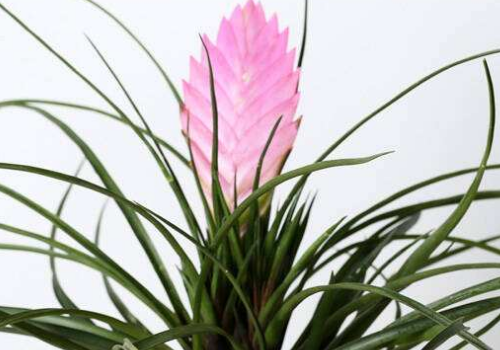
A Detailed Guide to the Benefits, Uses and Propagation Methods of Tillandsia
Tillandsia is a relatively uncommon plant in everyday life. What are the benefits and uses of Tillandsia? How do you propagate it? Benefits and uses of Tillandsia: ornamental value. Tillandsia belongs to the Bromeliaceae family, and these plants usually have a novel and elegant form. As an important variety within the Bromeliaceae family, Tillandsia also has quite high ornamental value.
-

What causes deformed oyster mushrooms? With control methods
Causes of deformed oyster mushrooms and control methods
-

Detailed explanation of the causes of chive lodging and the control methods
Causes of chive lodging and the control methods
-

Causes and Control Methods of Reddening Stems and Petals in Strawberries
What to Do When Strawberry Stems and Petals Turn Red
-

What causes tomato leaf curl? Cause analysis and control methods
Causes of tomato leaf curl and control methods
-

Analysis of the Causes of Pepper Plant Death and Control Methods
Causes of Pepper Plant Death and Control Methods
-
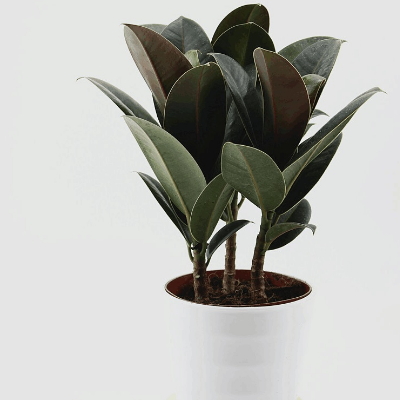
Uses and Care Methods of the Black Prince Plant
The Black Prince plant can be kept in an office and has a certain ornamental value. What is the Black Prince plant good for? How do you care for the Black Prince plant? What the Black Prince plant is good for: 1. Ornamental value: The ornamental value of the Black Prince plant is mainly shown in its leaves: the mature leaves of the Black Prince are thick and gorgeous
-

What to Do About Boron Deficiency in Cucumbers? Detailed Explanation of Causes and Control Methods
What to Do About Boron Deficiency in Cucumbers
条件筛选