-

Causes and Prevention and Treatment Methods of Tail-Dragging Disease in Scorpions
Also called hemiplegia disease. Tail-dragging disease is caused by feeding scorpions high-fat feed over a long period, leading to massive fat accumulation in the body, compounded by excessive humidity in the rearing room and pool nests, which triggers the disease; second-instar scorpions are prone to this disease. Symptoms of sick scorpions include: a glossy, bright body; swollen and enlarged limb segments; reduced or lost limb function; a downward-dragging tail; slow movement, difficulty moving or lying motionless; and red mucus secreted from the mouthparts; death occurs 5-10 days after onset. Prevention and treatment methods: feed less or no high-fat feed, mainly feed ground beetles (Eupolyphaga sinensis), supplemented with an appropriate amount of
-
Causes and prevention methods of feather-pecking vice in chickens
Feather-pecking vice is caused by the deficiency of certain nutrients, metabolic disorders, abnormal taste, or improper feeding and management. Sick chickens peck feathers, peck the cloaca, peck toes, and peck eggs, which not only causes restlessness in the whole flock and affects the growth rate, but also lowers the grade of commercial broilers, increases egg losses and chicken mortality, and causes great economic losses to the production and operation of the chicken industry. 1 Cause analysis 1.1 Feeding and management aspects: excessive stocking density, restricted activity space for chickens; too high temperature in the chicken house, hot weather
-
Detailed Explanation of the Harm Caused by Duck Influenza and Comprehensive Prevention and Control Methods
Duck influenza is a highly lethal infectious disease caused by type A influenza virus that can infect ducks of all breeds and all ages, and it is currently the most serious disease harming the duck farming industry. 1. Epidemiological characteristics People used to generally believe that waterfowl were only carriers of influenza virus and did not become ill. However, since the mid-1990s, the fact that ducks infected with highly pathogenic influenza virus became ill and died broke the traditional understanding of duck influenza. Ducks are not only highly susceptible to influenza, but can also horizontally transmit it to terrestrial poultry and become a source of infection for their influenza. This is a trend that should be taken very seriously at present.
-
Causes and Prevention Methods of Infertility in Male Dogs
Infertility in male dogs refers to the inability of a male dog to fertilize, or the inability of its sperm to fertilize an egg: there are many types of infertility, including primary infertility, low fertility, and acquired infertility. Among primary infertility, the most common is testicular hypoplasia, with the testes being smaller in size and hard or soft in texture. Most affected dogs have normal libido but no sperm. In animals with segmental dysplasia of both epididymides, the ejaculatory reflex is normal, but the ejaculate contains no sperm. Low fertility usually refers to a reduced sperm count, a normal sperm count but extremely poor motility, or a large number of abnormal sperm
-
What are the common causes of fish death? A detailed guide to prevention methods
Due to farmland irrigation and the rise and fall of tides, river water flows frequently, increasing the chances of polluted water flowing into fish ponds, or the pond's own pollution combined with sudden weather changes can all cause fish deaths. In order to help farmers accurately identify the causes of fish death in daily production and management, and promptly take measures to prevent fish deaths, here are the diagnosis and prevention methods for fish deaths under several circumstances: 1. Fish deaths from disease 1. Water body conditions: The intake and discharge of pond water generally can only be completed under human-controlled conditions, and most are closed
-
Detailed Explanation of Garlic Disease Types, Causes, and Prevention and Control Methods
I. Types of Garlic Diseases 1. Round leaf (also called barrel) This disease mainly manifests during the period before the garlic scape emerges; the leaves at the top of the garlic form a barrel shape that tightly wraps the garlic scape inside the barrel, causing the scape to become enclosed or broken. 2. Garlic branching That is, multiple branches on one plant, like grandfather and grandson, with nutrients dispersed; the main garlic scape lacks sufficient nutrients and is thin and short. 3. Spots This disease mainly manifests before the garlic scape bolts; spots appear on the surface of the garlic scape, including white spots, yellow spots, and red spots, causing the garlic scape to rot or become moldy. 4. Garlic glume turning red or flowering
-
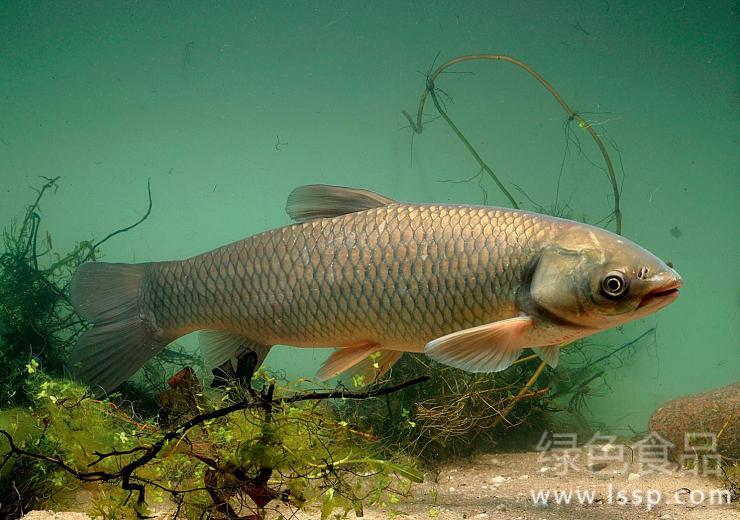
Causes of Death in Grass Carp from Enteritis and Prevention and Treatment Methods
Enteritis disease causing grass carp deaths: prevention and treatment methods for grass carp enteritis
-
How to prevent and control red and white plastron disease in soft-shelled turtles? Detailed explanation of causes and prevention methods
Red and white plastron disease in soft-shelled turtles (commonly known as red plastron and white plastron disease) has been a relatively serious turtle disease in China in recent years, and so far there is still no ideal treatment method. However, through efforts in various aspects, the main pathogens and disease onset conditions of red and white plastron disease have basically been identified, and breakthrough progress has been made in prevention, especially in research on disease prevention with Chinese herbal medicines and immune vaccines, laying a foundation for controlling the occurrence of red and white plastron disease in the future. Based on relevant domestic research and my own practice, the author introduces the occurrence and prevention of red and white plastron disease as follows, for reference and application by interested parties.
-
Causes of Runting in Raccoon Dogs and Its Prevention and Treatment Methods
Runted raccoon dogs are those that fail to develop into commercial raccoon dogs during the growing period after weaning and separation from the litter. They present with no visible growth, small body size, emaciation, and a ruffled coat; by the growing period they reach only 2.5-3.5 kg, and at market time only inferior-quality skins can be obtained. 1 Causes of runting in raccoon dogs 1.1 Unreasonable feed formulation and incomplete nutritional value. Keepers, in an attempt to save money, feed only corn or mix in very little other feed. Because the feed is severely deficient in nutrients and cannot meet the growth needs of raccoon dogs, the animals fail to grow, and this is the most important
-
What to Do When Oyster Mushroom Mycelium Breaks or Degenerates? Causes and Prevention Methods
After inoculation, normally growing mycelium is dense and pure white, advancing forward in a fan shape, and the cottonseed hull substrate decomposed by the mycelium turns yellowish-brown. If a section of mycelium breaks and becomes disconnected, it is called "mycelium break." This situation is caused by excessive water content in the substrate and high temperatures during cultivation. Choosing appropriate humidity and temperature can prevent the "mycelium break" phenomenon. The degeneration and shrinkage of mycelium that has already grown well on the substrate is called "mycelium degeneration." If the substrate is too dry and too loose, the mycelium that grows will be thin and weak; excessively high temperatures during cultivation, poor ventilation, or pest infestation
条件筛选