-
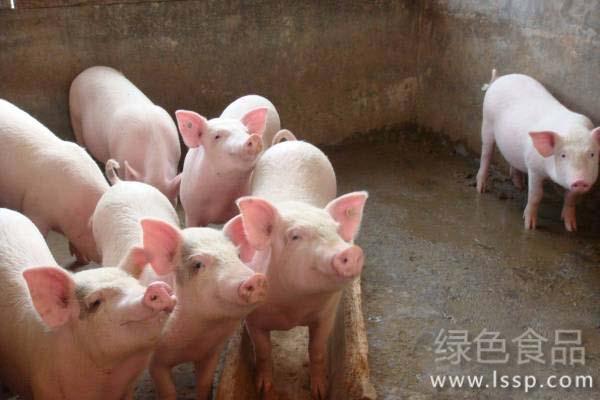
How to treat nutritional anemia in piglets? Detailed explanation of causes and treatment methods
Causes and treatment methods of nutritional anemia in piglets
-

Analysis of the Causes of Abundant Yellow Mushrooms and Prevention and Control Methods
The main causes are improper management during the low-temperature season. During the low-temperature season, the humidity inside the mushroom shed may be too high, with excessive watering, and too much free water adhering to the mushroom bodies. After absorbing water, it cannot evaporate, which weakens the metabolism of the mushroom bodies, causing various pathogens to take advantage of the opportunity, multiply in large numbers, and trigger various diseases of the fruiting bodies; continuous low-temperature weather causes the temperature inside the mushroom shed to be too low, and the edible fungus fruiting bodies remain in a poor living environment for a long time, leading to disease; some edible fungus varieties are at the 3rd to 4th flush during the fruiting period, and the nutrient supply in the fungus bags is insufficient. After budding, the
-
Causes of Secondary Growth in Potatoes and Control Methods
Nilka County has a narrow and long terrain with a cool climate, suitable for the growth of cold-loving crops. Potatoes have always been the dominant main crop in the area. Through years of in-depth investigation and research, technicians have identified the causes of secondary growth in potatoes and the corresponding solutions. I. Secondary growth in potatoes In early August 2003, in Village 5 of Nilka Town, 1.3 hectares of potatoes sown in late April had tubers that had swollen to the size of eggs, the buds on the new tubers sprouted, and small tubers the size of a thumb grew out, while the new tubers grew and aged, no longer continuing to expand.
-
Causes and Control Methods of Pelargonium Leaf Curl Disease
Pelargonium leaf curl disease, also known as Pelargonium crinkle disease, is a viral disease that has only been found in the Shanghai area. Symptoms: The leaves of infected plants curl downward and become stunted. In severe cases, the plants die. Pathogen: The pathogen is Pelargonium leaf curl virus (PLCV). Disease pattern: The virus is transmitted by sap, grafting and soil; no vector insect has been found. In summer and autumn, the symptoms of the disease are not obvious, and the residual virus-carrying plant debris from pruning can spread the virus.
-
Detailed Explanation of the Causes of Chicken Pecking at the Trough and the Control Methods
I. Causes 1. Excessive stocking density. When the stocking density is too high and there are not enough water troughs and feed troughs, the flock competes for water and feed, causing some chickens to suffer nutritional deficiencies in their bodies, making them prone to pecking vice. 2. Improper regulation of the chicken house environment. If the air inside the chicken house is foul and harmful gases exceed the standard, the flock will become restless and irritable and develop pecking vice; uneven temperature, with sudden cold and heat, will cause great stress to the flock and lead to pecking vice. 3. Unreasonable dietary nutrition. If the animal protein content in the diet is insufficient, or the amino acids are imbalanced, the flock cannot effectively
-
How Should Fishery Drugs Be Used Correctly? Key Methods Explained
With the rapid development of the aquaculture industry, disease prevention and control problems have become increasingly prominent, making it especially important to master the correct methods of using fishery drugs. 1. Apply fishery drugs according to the symptoms. ① Poisoning syndromes, including pesticide poisoning, red tide poisoning, seaweed poisoning, fishery drug poisoning, etc. Different poisoning situations require different handling methods. ② Malnutrition, which is chronic and long-lasting; high-quality feed should be selected, and it must not be misdiagnosed as other diseases. ③ Bacterial-like diseases have the same symptoms as bacterial diseases, and most antibiotics are effective. ④ For viral diseases there is almost
-
Causes and Control Methods of Potato Green Skin Disorder
[Disease Diagnosis] It mainly occurs on tubers in the late growth stage or during storage. In the field, after some tubers arch out of the soil surface and are exposed to sunlight, the surface tissue turns from yellow to green. The area of greening varies depending on the size of the exposed area. The green tissue can extend into the interior of the tuber and is often accompanied by purple pigment deposition. During storage, when tubers are exposed to natural light, the surface also turns green, sometimes even affecting deep tissues. Usually this greening will not recover by returning the tubers to dark storage. [Cause] This disease is physiological
-
Causes and Prevention and Control Methods of Duck Hemorrhagic Disease
Duck hemorrhagic disease is an infectious disease caused by a novel herpesvirus (Duck herpesvirus type II) that can infect ducks of all breeds and all ages. Because the feather shafts of both wings, the tip of the upper beak, and the tips of the claws and webbed feet of affected ducks often bleed and appear purplish-black, it is commonly known as duck "black feather disease," duck "black shaft disease," and duck "purple beak and black foot disease"; based on the characteristic necropsy lesions of the disease, it is also called duck hemorrhagic disease. At present, the disease occurs in several southern provinces of China, including Fujian, Guangdong, and Zhejiang, and affected duck flocks are prone to concurrent or secondary bacterial infectious diseases (such as duck infectious serositis
-
What to Do About Postpartum Eclampsia in Dogs? Causes and Prevention and Treatment Methods
It is caused by a drop in the bitch's blood calcium concentration after giving birth. Clinically, symptoms such as tonic or intermittent muscle spasms and elevated body temperature may be seen. Treatment focuses mainly on supplementing blood calcium. [Prescription 1] 10% Calcium Gluconate Injection 10-30 ml - 5% Glucose Saline 250-SOO ml. Directions: slow intravenous injection once. [Prescription 2] Vitamin D Calcium Colloid Injection 1-3 ml. Directions: intramuscular injection or Pishu acupoint injection once.
-
Causes of Deformed Mushrooms in Agaricus bisporus and Their Prevention and Control Methods
1. Deformed mushrooms. When ventilation is poor and the carbon dioxide content in the mushroom house exceeds 0.3%, deformed mushrooms are likely to appear. If the fruiting position is too deep, mushrooms growing between the cracks of the coarse soil also tend to be deformed. The key to prevention and control is to pay attention to ventilation and air exchange in the mushroom house. 2. Red root mushrooms. Slightly acidic cultivation material, a high-temperature stage before fruiting, excessive water content in the casing soil layer, excessive application of glucose as a supplemental fertilizer, and poor ventilation in the mushroom house can all easily lead to red root mushrooms. The pH of the compost should be properly adjusted, the water content of the casing soil should be maintained at 22%-25%, watering should be avoided during high temperatures, and the concentration of supplemental fertilizer should be appropriate.
条件筛选