-
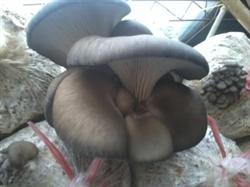
What types of deformed oyster mushrooms are there? Detailed explanation of prevention and control methods
Deformed mushrooms are a relatively common physiological disorder in oyster mushroom production, seriously affecting the yield and quality of oyster mushrooms, and even causing them to completely lose their commercial value. This disorder is mainly caused by improper management, and in a few cases by spawn degeneration, mutation, or viral infection. The main types of deformed mushrooms include: 1. Tall-stemmed mushroom, with a small cap...
-
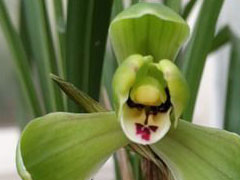
Why Are Orchid Leaves Turning Yellow? An Analysis of 12 Types of Yellowing Leaves
For novice orchid growers, encountering yellowing orchid leaves is not uncommon, but many hobbyists cannot figure out the cause of the yellowing. This article is a summary by an orchid grower of 12 types of yellowing leaves in orchids, and it is hoped it will be helpful to fellow orchid growers....
-
Common Types of Orchid Viruses and Analysis of Their Transmission Routes
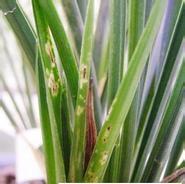
I. Common Orchid Viruses 1. Cymbidium Mosaic Virus (CyMV) (1) Symptoms Orchid plants infected with Cymbidium Mosaic Virus often tend to develop necrotic symptoms, such as black necrotic spots, necrotic streaks, etc. In addition to necrosis on the leaves and stems, infected plants also develop necrosis on the flowers, which is a symptom unique to Cymbidium Mosaic Virus. Orchid varieties susceptible to infection include Cymbidium sinense, Cattleya, Oncidium, Cymbidium hookerianum, Vanda, and Phalaenopsis. Necrotic spots sometimes appear only on the lower surface of leaves and not on the upper surface; this phenomenon occurs in Oncidium, Dendrobium, Vanda, and Phalaenopsis, and is therefore often mistaken by growers as being caused by fungal infection. Some Cymbidium plants infected with Cymbidium Mosaic Virus, such as Cymbidium hookerianum, Cymbidium sinense, Oncidium, and Phalaenopsis, also produce yellow-green mottled mosaic or yellow chlorotic streak symptoms. In addition, some orchid species show no recognizable symptoms after infection.
-
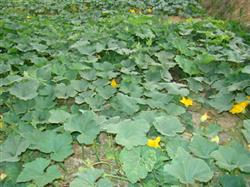
How do you carry out the planting and management of leaf-type pumpkin?
How do you plant and manage "leaf-type" pumpkin? Please give an introduction. For planting leaf-type pumpkin, you can refer to the following methods for planting and management: 1. Choose the sowing time. Pumpkin is a vegetable that likes warmth and tolerates heat, and the optimum temperature for stem and vine growth is 18-22°C. Therefore, "leaf-type" pumpkin can be sown from late February to early April...
-
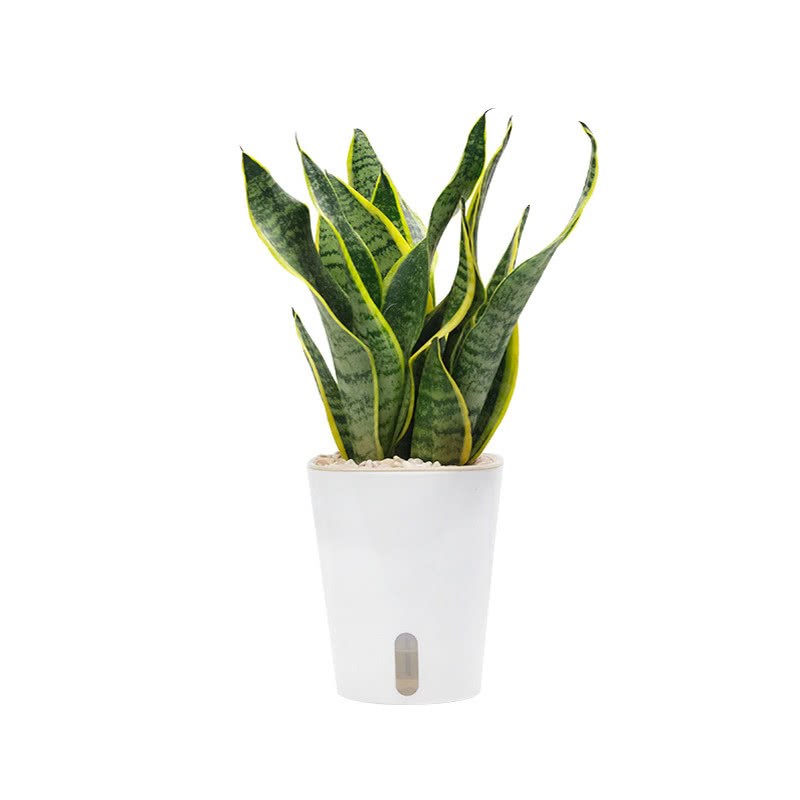
How to Choose Bedroom Plants: These Types Purify the Air Effectively
A bedroom is, to some extent, a secret garden that holds all kinds of emotions. If this garden could be adorned with green plants that have both good looks and talent, wouldn't it feel even more relaxing? But be careful: not all plants are suitable for the bedroom...
-
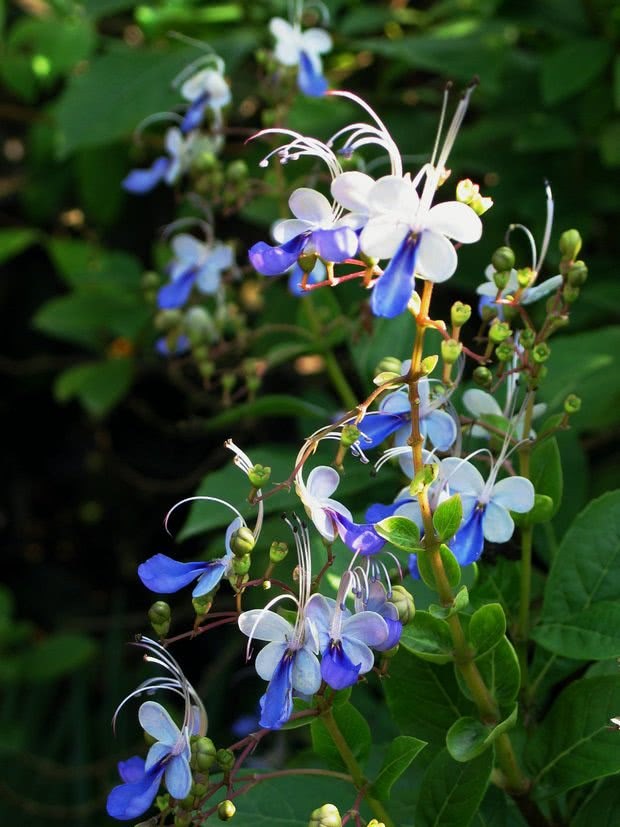
New type of potted plant with unusual flowers that look like dancing butterflies, highly ornamental and easy to care for
Introduction: Green plants and potted flowers are now essential decorative touches in home life. Keeping some flowers and plants at home brings many benefits: it beautifies the living space and lifts the mood. "Flower Voice Potted Plant Diary, Issue 1153" introduces you to a new type of ornamental plant. Today...
-
Different types of micro-fertilizers have different usage methods, and scientific application requires distinction.
In recent years, the problem of wheat seed burning and seedling burning during autumn planting has occurred repeatedly. In mild cases, it causes 20% to 30% missing seedlings and broken rows; in severe cases, replanting becomes necessary, and this problem is on the rise. In pursuit of higher and higher yields, some farmers one-sidedly believe that as long as they apply more fertilizer, they can achieve high yields. They pay no attention to whether the soil nutrients in the plot are abundant or deficient...
-
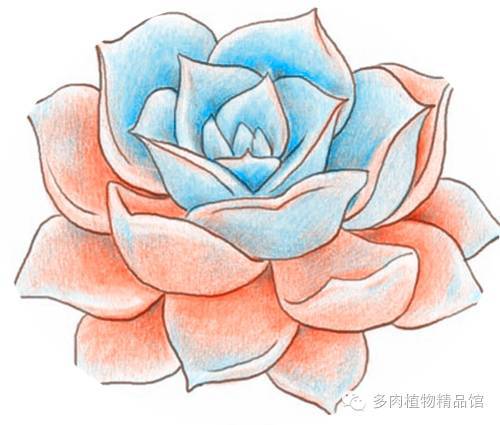
What types of succulent cuttings are there? Many gardening enthusiasts don't know
Text and images: Internet. The rooting of succulent plant cuttings is called "adventitious roots" because there is no fixed position where they emerge. According to the site where adventitious roots arise on the stem, they can be divided into two types. (Sometimes both types occur at the same time) 1...
-

-
条件筛选