-
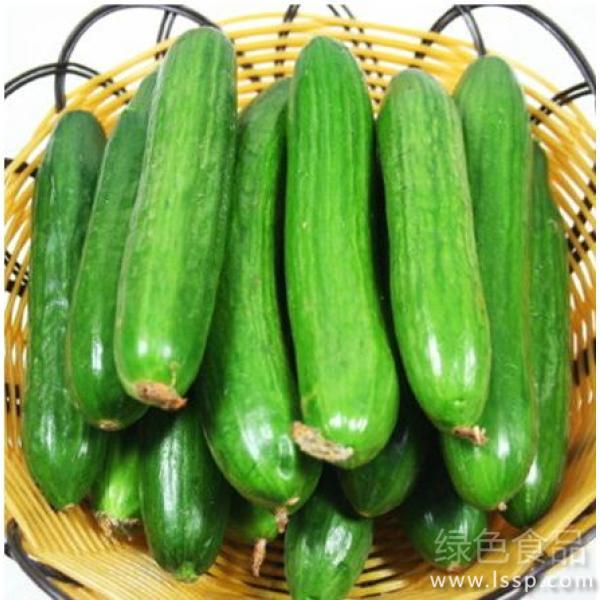
Spring-crop fruit-type cucumber cultivation techniques, high planting returns
Fruit-type cucumbers are highly profitable: cultivation techniques for spring-crop fruit-type cucumbers
-
What types of adjuvants are commonly used with glyphosate?
What adjuvants are commonly used with glyphosate? Please introduce the main SAA currently used as glyphosate adjuvants: tallow fatty amine ethoxylates, alkyl polyglycosides, fatty alcohol ethoxylates, silicone SAA, betaines, amino acid-based SAA, anti-drift agents, anti-hard-water agents, synergists, etc. Glyphosate is a low...
-
Which types of pesticides are resistant to rain washing?
When should fruit trees not be sprayed with pesticides? Please advise: to improve fruit yield and quality, reduce the number of pesticide applications, and extend the productive life of the trees, the key is to master the following critical periods in pest and disease control. The first is the period when buds clearly swell, that is, the bare-branch spray. During this period, spray a high-concentration fungicide plus insect...
-
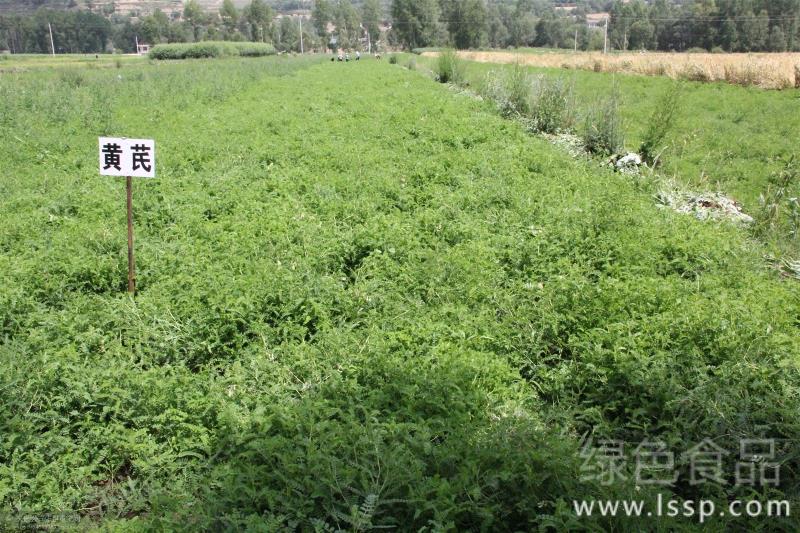
The key step in growing Chinese medicinal herbs is to choose varieties according to the soil type
Key steps in growing Chinese medicinal herbs: choose varieties according to the soil type
-
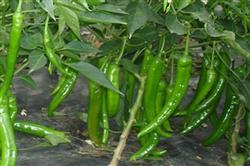
How do you identify the phytotoxicity of different types of herbicides?
What growth regulators can be used for growing peppers? Here is an introduction. The growth regulators that can be used on peppers include the following: growth regulators are the general term for substances that regulate plant metabolism, growth and development. Proper use of growth regulators can promote or inhibit the growth of peppers, enhance their stress resistance, ...
-
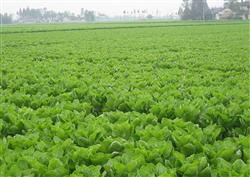
What types of plant growth regulators are there?
What should be noted when using plant growth regulators on vegetables? I would like to ask for advice. The use of plant growth regulators on vegetables is already very widespread and has brought considerable benefits to vegetable growers, but some vegetable growers rely too heavily on plant growth regulators, arbitrarily increasing the dosage and raising the concentration, causing phytotoxicity and unnecessary losses. To avoid...
-
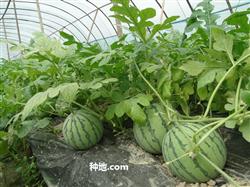
Detailed Explanation of the Differences Between Types of Water-Flush Fertilizers and Their Correct Application Methods
Should organic fertilizer be applied when growing watermelons now? What is the use of applying organic fertilizer? Growing watermelons that are sweet and refreshing is what every melon farmer strives for. Only by continuously improving watermelon quality can one win the market, be favored by the vast number of consumers, and achieve increased production and income for melon farmers. Watermelons have a short growth period and high yield...
-
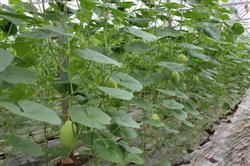
5% aldicarb granules is a new type of highly effective broad-spectrum insecticide
During the cultivation of watermelon and muskmelon, they are often harmed by various pests. Here are several highly effective and low-toxicity insecticides recommended for farmers to use in production: 1. Imidacloprid. Also known as Yibianjing, Dagongfu, Yashijing. It is a highly effective broad-spectrum systemic insecticide with toxic and contact action, and is effective against piercing-sucking mouthpart pests...
-
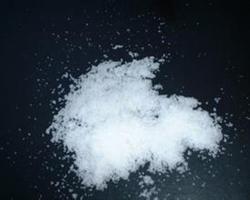
Types of Nitrogen Fertilizers and Scientific Application Methods
At present, the effective utilization rate of nitrogen fertilizers in our country is generally very low. How to reduce nitrogen loss and improve nitrogen fertilizer utilization rate is a problem of common concern to the vast number of farmers. Here are seven methods for improving the effective utilization rate of nitrogen fertilizers, introduced to the vast number of farmers: 1. Implement mixed application and deep application, and strengthen water management. A large number of field...
-
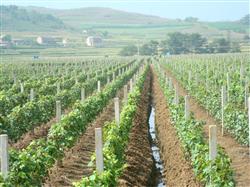
What Types of Nitrogen Fertilizers Are There? A Detailed Guide to Application Methods
The nitrogen fertilizers commonly used in fruit tree production mainly include urea, ammonium bicarbonate, ammonium nitrate, ammonium sulfate, ammonium chloride and slow-release urea. Urea is an amide-form nitrogen fertilizer with a nitrogen content generally of 46%, and can be used as a base fertilizer, a top dressing and a foliar top dressing. Ammonium bicarbonate is an ammonium-form nitrogen fertilizer with a nitrogen content generally of 16.5%-16.8%, and can be used as a base fertilizer, ...
条件筛选