-

When does tuberose bloom, and when is the best time to plant the bulbs?
Tuberose is a flower variety introduced and cultivated in China from abroad. At present, its distribution range in China is still quite wide, and it is most commonly seen in the south. Because of its high ornamental value, tuberose attracts many people to grow it, but when planting, presumably everyone
-
Can tuberose be kept indoors? Grow it this way and it will soon be full of flowers and leaves
At the mention of tuberose (Cestrum nocturnum), everyone will surely think of Teresa Teng's beautiful singing voice. Indeed, the song "Ye Lai Xiang" is not only pleasant to hear, but even its name is very cozy, and its flowers are very fragrant, so many people like to place a pot of it at home or in the office to improve the indoor environment.
-
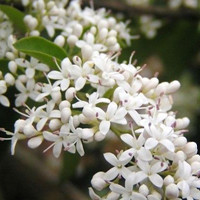
Tuberose has an advantage when grown in a suitable environment
Tuberose (Polianthes tuberosa), a flower that wins with its "night fragrance," has also earned the affection of many people for this unique trait, and is the most commonly used and most important filler flower in many bouquets and floral arrangements. Let's take a look.
-
A Detailed Guide to Common Diseases of Tuberose and Their Treatment
Tuberose is what we commonly call night-blooming jasmine. Because tuberose has a particularly intense fragrance at night, it is deeply loved by people. However, if tuberose is not managed properly, it is also prone to disease. The editor will introduce the common diseases of tuberose and their treatment methods for you. Friends who like tuberose can learn together.
-
What are the reasons why tuberose does not bloom?
Tuberose is what we commonly call night-blooming jasmine. Because tuberose has very high ornamental value and its habit of blooming at night is deeply loved by flower enthusiasts, many friends often encounter the situation where tuberose does not bloom during the process of growing it.
-
Reasons Why Tuberose Only Grows Leaves and Does Not Bloom, and How to Fix It
Tuberose is what we call night-blooming jasmine or "moonlight fragrance." Because its scent is especially intense at night, this unique trait makes it very popular. Since tuberose is relatively easy to cultivate and its flowering period is easy to control, it is also one of the more important cut flowers. But if you run into a tuberose that only grows leaves and does not bloom...
-
-
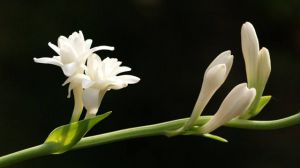
How to identify tuberose? A few practical tips for you
Leaves: basal leaves, linear, about 6-9 clustered together, dark green, with relatively pointed tips; leaves on the flower stem are scattered. Flowers: the spike inflorescence of tuberose is terminal, milky white, with green bracts, slightly curved at the base; the perianth and lobes are oblong-lanceolate; the stamens grow inside the perianth tube; the style is relatively slender, with a 3-lobed stigma.
-
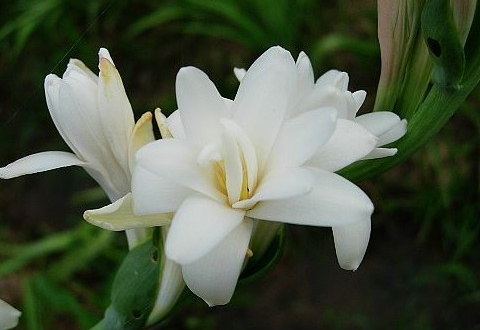
Tuberose Growing Methods and Precautions
1. Soil: Tuberose is not strict about soil, preferring fertile clay soil that does not waterlog; it is not suitable for growing in sandy soil. 2. Light: Tuberose likes ample light and needs frequent ventilation; in summer it should be cared for on balconies and in courtyards to ensure sufficient sunlight. 3. Temperature: Tuberose likes a warm environment.
-
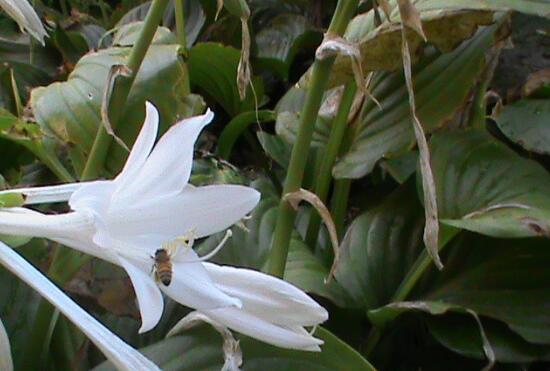
Tuberose pest and disease control methods: 4 pests and 2 diseases treated by spraying
Tuberose, as its name suggests, blooms at night with a rich fragrance. It is a very beautiful flower kept in many gardeners' homes. However, during cultivation, tuberose inevitably suffers from pest and disease damage for various reasons. So what should you do when tuberose gets pests? Below are 6 pest and disease control methods for tuberose.
条件筛选