Tuberose pest and disease control methods: 4 pests and 2 diseases treated by spraying
Tuberose, as its name suggests, blooms at night with a rich fragrance. It is a very beautiful flower kept in many gardeners' homes. However, during cultivation, tuberose inevitably suffers from pest and disease damage for various reasons. So what should you do when tuberose gets pests? Below are 6 pest and disease control methods for tuberose. Follow along with the editor to learn more.
I. Tuberose gets pests: spray with pesticide
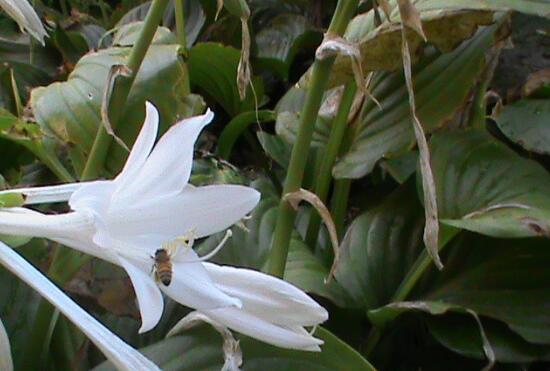
As a beautiful flower, tuberose is grown in pots in many homes, but because most growers are beginners, they do not follow tuberose cultivation methods to care for it, and as a result pests and diseases appear. As for what to do when tuberose gets pests, we first identify the pest, then deal with it accordingly. For this, the editor has summarized 6 tuberose pests and diseases and included control methods. Let's continue reading.
II. Pest and disease control for tuberose
1. Aphids
These pests are small, about 1 mm, black-green and winged. They mainly attach to tuberose leaves, stems and tender buds at the top, sucking their sap and causing poor plant growth.
Control method: when there are few aphids, apply plant ash on the leaf surface and rinse it off to remove them; when there are many aphids, spray a 1:150 omethoate solution for control.
2. Scale insects
Scale insects are the most common pests on tuberose. They are relatively small, often gather together, and secrete a waxy substance that looks like a pile of white wax powder. These insects often cluster on branches and leaves, feeding on plant sap. Symptoms of damage: tuberose leaves turn yellow, and in severe cases branches wither or the whole plant dies.
Control method: when there are few scale insects, simply pick them off with a wooden stick and crush them to death. When there are many pests, spray 1000-15000 times diluted dichlorvos, or 50% malathion emulsion at 1000 times dilution, etc., for control.
3. Red spider mites
Mites are arachnid pests and are one of the important pests harming tuberose. They often occur when ventilation is poor and damage the top of the plant. Symptoms of damage: the top of tuberose turns reddish-brown and has spider webs, and plant growth and development are affected.
Control method: after discovering the pests, you can treat them with decis, or use sprays such as 25% anti-mite emulsifiable concentrate at 800 times dilution, or 73% propargite at 2000 times dilution.
4. Whiteflies
Among tuberose pests, whiteflies cannot be ignored. They are a type of tiny phytophagous piercing-sucking insect, mainly harming host plants by nymphs and adults piercing and sucking plant sap, causing the plant to weaken.
Control method: when whiteflies are found, spray 23 emulsifiable concentrate anti-mite at 800 times dilution, or 73% propargite at 2000 times dilution, etc., for control.
5. Fusarium wilt
In addition to pests, diseases are also something to watch for during tuberose growth, such as fusarium wilt, a plant disease caused by fungi or bacteria. Once tuberose suffers from fusarium wilt, several symptoms appear: severe spotting, withering, or death of leaves, flowers, fruits, stems or the entire plant.
Control method: after discovering the above symptoms, spray 600-800 times diluted wilt-killing agent, or 50% carbendazim at 600 times dilution, etc. Also promptly remove and burn diseased branches to reduce the source of infection.
6. Ring rot
Besides fusarium wilt, ring rot is also one of tuberose's pests and diseases, developing from disease spots during growth. Symptoms: the leaf vein area of tuberose is reddish-brown, surrounded by dark green to yellow-green, with the interior brown or dark brown. There are fewer spots on small leaves, and soon they become ring-patterned, forming many small black dots.
Control method: after discovering the above symptoms, spray 50% thiophanate-methyl wettable powder at 500 times dilution for control, and results can be seen in a few weeks.
Overall, tuberose is not difficult to grow; the difficulty lies in using the wrong methods, which naturally leads to pests and diseases. Of course, there is no need to fear tuberose getting pests or diseases; just follow the methods above for control. That is all the editor has to introduce about tuberose pest and disease control, and I hope it helps everyone. Finally, may everyone's tuberose bloom into beautiful flowers.
Control of tuberose pests and diseases
Control methods for common tuberose pests and diseases
1. Root-knot nematode larvae damage the roots, often causing poor plant development, stunting and yellowing.
Control method: when it occurs, drench the soil with 40% omethoate emulsion at 1500 times dilution, or bury 3% carbofuran in the potting soil for control.
2. Powdery mildew mainly damages leaves.
Control method: when it occurs, spray 50% Yifaling wettable solvent at 1000 times dilution.
Control of common tuberose pests and diseases
Control methods for common tuberose pests and diseases
1.Root-knot nematodeLarvae damage the roots, often causing poor plant development, stunting and yellowing.
Control method: when it occurs, drench the soil with 40% omethoate emulsion at 1500 times dilution, or bury 3% carbofuran in the potting soil for control.
2.Powdery mildewMainly damages leaves.
Control method: when it occurs, spray 50% Yifaling wettable solvent at 1000 times dilution. For other control methods, refer to the relevant sections on dahlia and cineraria.