-
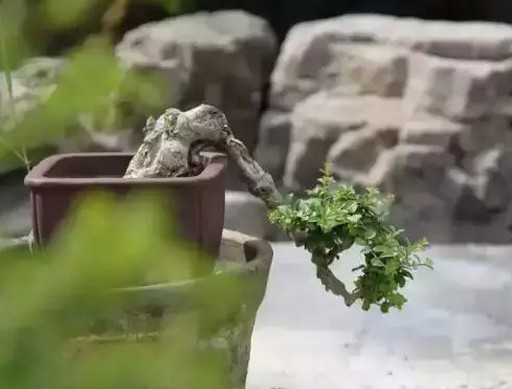
Cultivation of small trees for landscape bonsai originates from insights into how nature shapes trees
Bonsai starts from small seedlings, pruned once a year in the early stage, beginning with basic training; as time accumulates, the small tree naturally shows healed pruning cuts, and according to one's own needs and purposes, the tree's form is gradually perfected through continuous pruning. Young trees in the early stage have no degree of aging. Due to the characteristics of some tree species, such as Chinese privet (Ligustrum sinense)
-
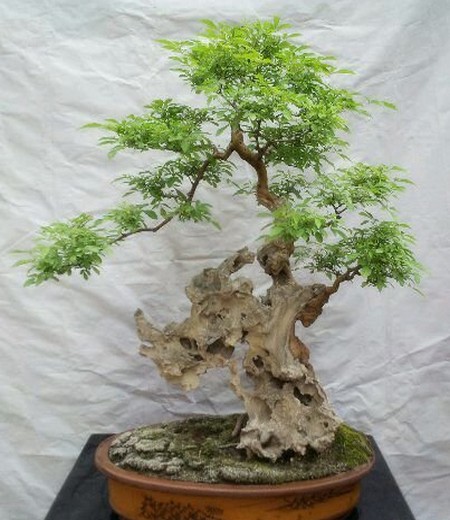
Detailed explanation of the styling methods for Vitex negundo bonsai, teaching you how to create a beautiful tree shape
Vitex negundo, also known as yellow vitex twig, is widely distributed in China and has extremely strong vitality. It is one of the commonly used miscellaneous tree species for making bonsai. It is highly adaptable and not demanding on soil. For potted Vitex negundo, loose-textured, well-draining humus soil is best, and the planting pot should preferably be a clay pot or cement pot. Before planting
-
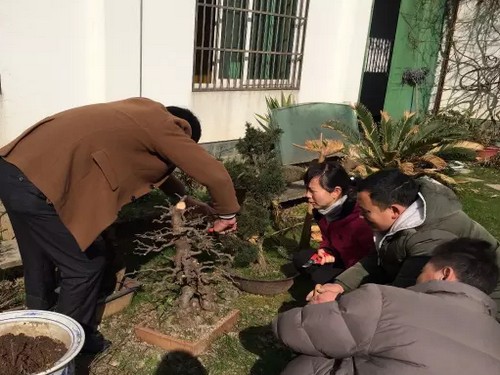
Detailed Explanation of Bonsai Pruning Techniques: Prune This Way for a More Beautiful Tree Shape
Bonsai pruning is synonymous with the means of shaping potted trees. Although there are also techniques such as wiring, pulling and hanging, guying, carving, and grafting, they are often conventionally grouped under pruning. As the main means of bonsai styling, it not only incorporates related techniques but also embodies styling concepts and compositional creativity within the "cut."
-
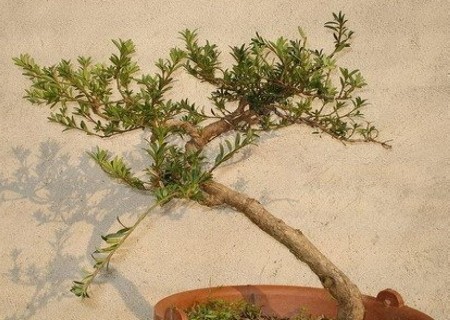
Podocarpus bonsai styling illustrated guide, teaching you to prune a beautiful tree shape
Generally speaking, any tree shape can be styled; in fact, there are no restrictions on trunk diameter or thickness, or on how the branches divide, but how beautifully it is shaped depends 70% on the skill of the horticultural stylist and 30% on later maintenance. If either part is missing, it is very difficult to produce an exquisitely styled, superior Podocarpus bonsai.
-
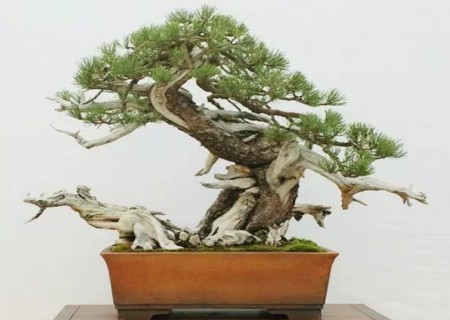
Detailed explanation of pine bonsai styling techniques, easily create a beautiful tree shape
Pine bonsai works are created with grandeur and masculine energy as their main expressive characteristics. They love sunlight yet have strong drought tolerance, and prefer to grow in soil environments with excellent breathability and drainage. The styling process of pine bonsai is a process of completing artistic creation
-
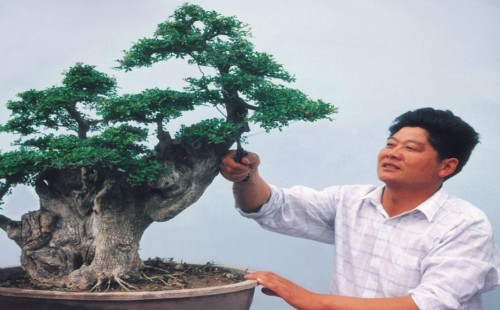
Bonsai pruning techniques for Chinese fringe tree (Chionanthus retusus): easily maintain a beautiful shape
The Chinese fringe tree bonsai is a work created through deliberate processing by people. Although it undergoes long-term pruning to maintain a perfect shape, it has not lost its vitality and often continues to grow. Conversely, if pruning is not carried out in time during normal care, as new branches keep sprouting and growing
-
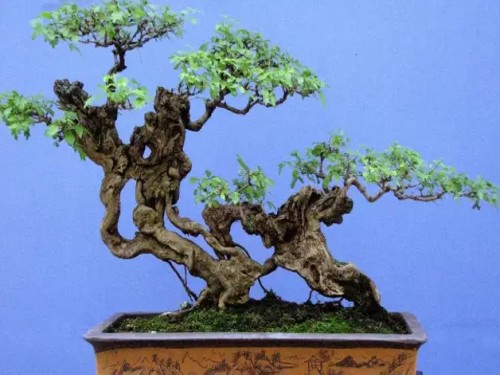
A Detailed Explanation of the Methods for Designing and Conceiving Tree Bonsai Shapes
Tree bonsai takes trees as its main subject. Because the materials used differ, it is usually further divided into two major categories: tree scenery and stump scenery. Tree scenery is made by using young trees as material and carrying out artistic processing, so it is often called "cultivated from youth." In the creation of tree bonsai, for a bonsai to deserve to be called an excellent work, all its parts must be seamlessly integrated and unified in harmony
-

How to prune a Money Tree? 5 methods with illustrations to help you create a beautiful shape
As a foliage plant with an auspicious meaning, the Money Tree is loved by many people for its leaves that resemble copper coins, and many grow it as a potted plant at home. However, if you want your Money Tree to look good, besides paying attention to water and fertilizer, proper pruning is key. So how do you prune a Money Tree? Here are illustrated pruning methods for the Money Tree
-

Bonsai Ficus Tree Pictures to Enjoy - Gorgeous Shapes That Will Delight Your Eyes
Chinese name: Ficus tree. Other names: Small-leaved ficus, Cheng tree, Ficus aerial roots. Latin scientific name: Ficus microcarpa. Family and genus: Moraceae, Ficus genus. Place of origin and distribution: Tropical Asia. Ficus bonsai refers to using the ficus tree as material, with the goal of appreciating the peculiar forms of the ficus trunk, roots, stems and leaves.
-
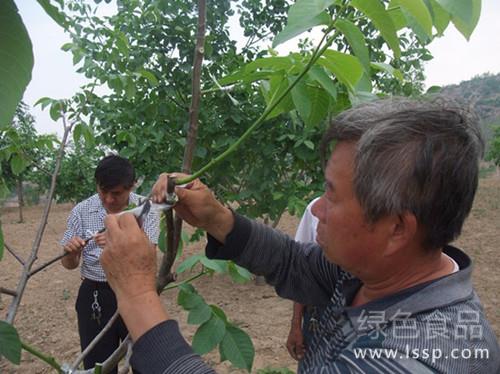
Three-step improvement for mature walnut trees: trunk heading and renewal, grafting for variety replacement, and shape training
Trunk heading and renewal, grafting for variety replacement, shape training: the three-step improvement for mature walnut trees
条件筛选