How to prune a Money Tree? 5 methods with illustrations to help you create a beautiful shape
As a foliage plant with an auspicious meaning, the Money Tree is loved by many people for its leaves that resemble copper coins, and many grow it as a potted plant at home. However, if you want your Money Tree to look good, besides paying attention to water and fertilizer, proper pruning is key. So how do you prune a Money Tree? Here are illustrated pruning methods for the Money Tree - just 5 tricks will make your Money Tree beautifully pruned~
I. How to prune a Money Tree: the method matters
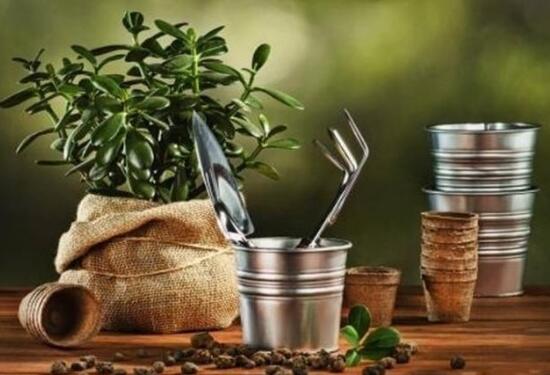
Looking at the Money Tree's lovely leaves, many plant lovers can't bear to prune it, but this is actually a wrong idea, because proper pruning can make the Money Tree look more beautiful. As for how to prune a Money Tree, mastering the method is very important. Here are 5 very practical tricks for pruning a Money Tree - let's learn them together.
II. Illustrated pruning methods for the Money Tree
1. Shaping and pruning
The Money Tree grows relatively fast and will produce many new branches. For the sake of appearance, we should carry out shaping and pruning: picture in your mind the most beautiful state of the Money Tree, make a sketch, and then prune it into a nice form, for example, trimming the branch layers into cloud shapes, or branch layers with an outer outline like a melon-seed shape - this is something you need to control yourself.
2. Branch pruning
As shown in the picture above, cut off all clustered branches, overlapping branches, parallel branches, leggy branches, crossing branches, and inward-growing branches. However, when pruning, you can choose to keep one or two branches as needed to perfect the shape.
3. Pinching
Pinching, also called topping, means removing the tender tips at the ends of the Money Tree's branches. Purpose: to inhibit the branches from growing upward and encourage the surrounding branches to spread out flat - this is a step that must be done when growing a Money Tree indoors.
4. Bud removal
Among the pruning methods for the Money Tree, bud removal is very important, as it can avoid wasting nutrients. Specific operation: remove the irregular new buds on the base of the trunk and on the trunk itself, and be careful to protect the strong buds at spots where individual branches are missing.
5. Leaf removal
Besides pinching and bud removal, proper leaf removal is key - you must not be reluctant to do it. Specific operation: during the period when the Money Tree's new leaves are budding, remove the old leaves, so that the whole plant looks bright and dazzling, fresh and green. Moreover, removing old leaves can also allow new buds to grow out again.
Overall, in the cultivation methods for the Money Tree, pruning is a step that needs attention. Pruning is a technical job - it not only requires skill, but also artistic talent, otherwise, snipping here and there will make the plant look very bad. So in order to grow a beautiful pot of Money Tree, everyone should master the pruning methods for the Money Tree. Finally, best wishes that everyone can prune out a beautiful Money Tree.
Kumquat Fortunella margarita (Lour.) Swingle Kumquat guide: how to grow kumquat / how to propagate kumquat
Kumquat profileKumquat Fortunella margarita (Lour.) Swingle
Kumquat cultivation methods and precautions, introduction to kumquat
Kumquat, also known as golden citrus, belongs to the Rutaceae family and is a famous ornamental fruit plant. Especially in Guangdong and Hong Kong, China, many citizens buy it during the Spring Festival for good luck. The kumquat is an evergreen shrub. Flowers are solitary, white, and fragrant. The fruit is mostly oval, golden yellow, and glossy; some varieties are edible. It is mostly propagated by grafting.
Morphological characteristics of kumquat
Evergreen shrub or small tree, 3 m tall, usually thornless, with many branches. Leaves lanceolate to oblong, 5-9 cm long, 2-3 cm wide, entire or with inconspicuous fine serrations, dark green and glossy on the surface. Unifoliolate compound leaves, leaf wings narrow; white flowers solitary, fragrant, usually five-parted, flowering 3~5 times each year. Fruit small, mostly oval, glossy, beginning to ripen in late autumn and early winter. The underside is green, with scattered glandular dots; the petiole has narrow wings and a joint at the border with the leaf blade. Single flowers or 2-3 flowers clustered in leaf axils, with short stalks; flowers bisexual, regular, white, fragrant; sepals 5; petals 5, about 7 mm long, stamens 20-25 mm, variously united into several bundles; pistil borne on a slightly raised disk. Fruit oblong or ovate, golden yellow. Fruit small, obovate, about 3 cm long, yellow when ripe, juicy and delicious, edible with the peel. Peel fleshy and thick, smooth, with many glandular dots, fragrant. Native to southern China. The fruit can be eaten fresh or made into candied fruit, and used as medicine it can regulate qi and relieve cough.
Ecological habits of kumquat
Kumquat likes a warm and humid climate with plenty of sunlight, is not cold-tolerant, slightly shade-tolerant, drought-tolerant, and requires well-drained, fertile, loose, slightly acidic sandy loam. During care, it should be placed in a sunny place. If light is insufficient and the environment is shaded, it often causes leggy branches and leaves and fewer flowers and fruits. Because kumquat likes a cool climate in summer, or when summer sunlight is intense, it is better to place it in slight shade at this time. In winter, the room temperature should be above freezing. If the room temperature is too high, the plant cannot get sufficient dormancy, and the next year's growth will be weak, with easy flower and bud drop.
Distribution area of kumquat
Place of origin: China Domestic distribution: Qinling, south of the Yangtze River
Origin and habits
Kumquat, also known as golden citrus, originated in China and has a cultivation history of more than 1,700 years. According to the Ming Dynasty Jiajing Zhejiang Gazetteer [1552-1566 AD], it is recorded: "Ningbo golden beans [i.e. kumquat], sweet and fragrant, better than large oranges." According to the Dinghai County Gazetteer of Zhejiang, it is recorded: "Golden citrus from Ma'ao, those from Shajiao [today's Daxie, Ningbo] are excellent and hard to obtain." This is the earliest recorded historical record about kumquat.
Ningbo kumquat also has high fame abroad, and for a long time. According to the 1901 [Meiji 34] Japanese edition of the "Citrus Survey Report of Anbara and Yasunobu Counties, Shizuoka Prefecture," in the Bungei Renzi year [more than 160 years ago], a Chinese Ningbo merchant ship was hit by a storm while sailing off Enshu Beach, its bottom was damaged, and it anchored at Shimizu Port in Shizuoka Prefecture for repairs. Shibata Kansukeemon, an enlightened figure of Orishido Village in that prefecture, provided daily necessities to the ship and received kumquats as a gift from the crew. Afterwards, he sowed the kumquat seeds there, and several years later they bore fruit. This is the process by which Ningbo kumquat was introduced to Japan and became famous there. Europe's kumquat was likewise introduced from Ningbo. The Englishman Robert Fortune came to China in 1449 to collect plant specimens, and passing through Chuanshan in Ningbo he saw kumquats, so he brought them to Europe for cultivation, where they are now mostly grown for courtyard ornament.
Kumquat cultivation in China is mainly in Youxi in Fujian, Rong'an and Yangshuo in Guangxi, Suichuan in Jiangxi, and Liuyang in Hunan. Kumquat is also grown in its place of origin, Ningbo in Zhejiang. Among the five major production areas nationwide, Youxi kumquat in Fujian has the best flavor [6], and sells well at home and abroad. Fujian Youxi's "Xiufeng Brand" golden citrus is large, thin-skinned, yellow in color, tender-fleshed, few-seeded, and excellent in taste. Testing shows a round-shape substance ratio of 18:1, with an annual output of more than 10,000 tons, accounting for more than 60% of the national total. In 2002 it won the provincial famous-brand product award, and Fujian Youxi is the "Hometown of Chinese Golden Citrus." Golden citrus likes a humid and cool climate, is relatively cold-tolerant, drought-tolerant, and slightly shade-tolerant. It requires deep, fertile, slightly acidic soil.
Landscape uses of kumquat
The fruit is golden yellow and fragrant, and remains on the plant for a long time, making it an excellent ornamental fruit flower. It is suitable for potted viewing and bonsai, and its taste is sweet and sour; in warm southern regions it is planted as a fruit tree for commercial management.
Ornamental value
Potted kumquat stays green all year round, with lush branches and leaves and a graceful tree shape. It blooms in summer, with jade-white flowers whose fragrance spreads far. In autumn and winter the fruits ripen yellow or red, dotted among the green leaves - one could say green leaves and golden pills, lush and long-flourishing, with extremely high ornamental value.
Propagation methods of kumquat
The tree is relatively cold-tolerant, drought-tolerant, and strong in disease resistance. It is propagated by grafting, seedling growing, layering, and so on.
Propagation and cultivation
Use grafting for propagation. The rootstock is trifoliate orange, sour orange, or sown seedlings. Grafting methods include cleft grafting, bud grafting, and approach grafting. For cleft grafting, use the cut-grafting method in spring from March to April. Bud grafting is carried out from June to September. For potted plants, the approach grafting method is often used, carried out from April to July.
Propagation techniques
Seedlings grown from kumquat seeds mostly vary in their offspring, varieties easily degenerate, and fruiting is late, so seed propagation is generally not used. Grafting is commonly used. Use trifoliate orange or sour orange as the rootstock, which can improve cold resistance; generally bud grafting and cleft grafting are used. Bud grafting is carried out from June to September; for potted plants, approach grafting is often used, and they are transplanted before budding the following year.
Management techniques
Potted kumquat requires proper water and fertilizer management. Before spring buds sprout, cut off some of the previous year's branches, leaving 2~3 buds on vigorous ones, and keep 3 pruned one-year-old branches per plant, which helps spring shoots sprout. When new buds grow to 15~20 cm, pinch them to make the branches full. When the branches are fully grown, apply a quick-acting phosphorus fertilizer, such as superphosphate, to prevent leggy branches and leaves and promote flower bud differentiation and flowering and fruiting. At the end of May, the current year's spring shoots bloom and bear fruit. During the flowering period, flowers should be properly thinned; after fruit set, thin the fruit once according to tree vigor, with 2~3 per branch being appropriate. Promptly cut off autumn shoots to prevent a second fruiting.
Variety classification and types of kumquat
Jinzhao Fortunella margarita: oblong or long obovate golden-yellow fruit, juicy flesh, sour taste.
Jindan Fortunella crassifolia: obovate-round orange-yellow fruit, thicker peel, less juice, sweet taste.
Mountain orange Fortunella hindsii: small round fruit, little juice, almost no flesh, sour and bitter taste.
Round kumquat Fortunella japonica: small round bright orange-yellow fruit, juicy flesh, sour taste.
Yueyueju Fortunella obovata
Long-leaf kumquat Fortunella polyandra
Introduction of kumquat varieties [Suichuan kumquat]
Suichuan kumquat, also known as golden citrus and jindan, is one of the traditional famous and special products of Jiangxi Province. Its cultivation history spans more than 900 years. According to Han Yanzhi's "Record of Oranges" in the Southern Song Dynasty (1178 AD), it is recorded: "Kumquat comes from Jiangxi; northerners do not know it. In the Jingyou period it reached the capital Bian, and because Empress Wencheng was fond of it, its price became high." To this day, it is still famous nationwide for its color, fragrance, and taste.
Suichuan County is one of the three major kumquat production areas nationwide. Its fruit resembles a pigeon egg, is large and thick-fleshed, with orange-yellow skin, a sweet taste with slight sourness, refreshing fragrance, and rich nutrition, containing abundant amino acids and multiple vitamins. It has effects such as regulating qi and relieving depression, and relieving cough and reducing phlegm. It can be eaten fresh and also made into various candied fruits and beverages. In the main production areas around Duiziqian and Wudoujiang, by 1986 the planting area had reached 24,000 mu, with annual output exceeding 1.5 million kg. Its fresh fruit and processed products such as honey-candied fruit sell well across the country and in Hong Kong, China, the Soviet Union, and other countries and regions, and are regarded as treasures. Suichuan kumquat has a cultivation history of more than a thousand years and has been listed as a tribute by successive dynasties since the Song Dynasty; its planting area, output, and quality all rank first nationwide.
In 1997, the Ministry of Agriculture awarded Suichuan County the title "Hometown of Chinese Kumquat."
In March 2005, Suichuan County registered the "Suichuan Kumquat" trademark.
In November 2006, Suichuan County was listed by the national Ministry of Agriculture as a national green food raw material (kumquat) standardized production base.
In December, "Suichuan Kumquat" obtained the right to use the A-level green food mark from the China Green Food Development Center. The county's total kumquat area is 145,000 mu, distributed across 10 townships in the county, of which the kumquat standardized production base is 102,000 mu, concentrated in 28 natural villages across 6 townships including Duiziqian Town, Caolin Town, Dakeng Township, Huangkeng Township, Xixi Township, and Nanjiang Township, involving 2,091 households. In 2006 the total kumquat output reached 28,000 tons, with an output value of nearly 100 million yuan, and 65% of the annual per capita net income of farmers in the main production townships came from the kumquat industry.
On October 18, 2011, the trademark registration application for Suichuan kumquat (i.e. golden citrus) was officially accepted by the Trademark Office of the State Administration for Industry and Commerce, marking that this specialty product would have its own "ID card." Suichuan County in Jiangxi Province is known as the "Hometown of Chinese Kumquat." The county's kumquat base area, focused on the "Hundred-Li Kumquat Corridor," reached 0.52 ten-thousand hm^2, with an annual output of 25,000 L of golden citrus. The successful registration of the "Suichuan Kumquat" trademark laid the foundation for the county's kumquat products to further expand the market. In addition, "Suichuan Kumquat" will also be the county's first registered fruit trademark.
There is also an interesting legend about "Suichuan Kumquat." Long ago, 43 km southwest of Longquan (present-day Suichuan), there was a small piled-up hill town called Duiqian (later, due to historical development, renamed Duiziqian). In the town there was a man surnamed Gu who was extraordinarily lazy, "lazier than a snake," and was called "Lazy Snake Gu." "Lazy Snake Gu" was utterly poor, with bare walls at home, and often had nothing to cook. One day, having no other way because he was truly hungry, he finally went up the mountain to look for wild fruit to fill his stomach. As he turned one mountain hollow after another and crossed one ditch after another, hungry and exhausted and at the end of his rope, suddenly a row of small trees full of golden fruits appeared before him, and he was overjoyed. Without caring whether they were edible, he ate them one after another, wolfing them down, and ate his fill. Then he slept soundly on the mountain ground waiting to die... However, after sleeping for half a day, "Lazy Snake Gu" woke up not only not dead, but full of energy and in high spirits. He suddenly had the idea: why not take the fruit home and try planting it? In the future, if there was no grain to sustain life, wouldn't that be the best food? So "Lazy Snake Gu" picked all the fruits from the tree, and after eating them at home, buried all the pits in his own vegetable garden soil. After that, "Lazy Snake Gu" never went to look at the vegetable garden again. The following spring, green seedlings grew one after another in "Lazy Snake Gu's" vegetable garden. "Lazy Snake Gu" was thrilled, but he still neither fertilized nor loosened the soil, only occasionally pulling weeds in the garden. Three years later, the fruit seedlings in the garden grew vigorously, each one taller than "Lazy Snake Gu." In summer, the fruit trees bloomed fragrantly everywhere, and the trees were covered with green fruits. "Lazy Snake Gu" was overjoyed. In autumn, the fruits ripened, all golden yellow, each large and round, good-looking and delicious. After eating his fill, he picked some and took them to the market to sell. When people asked him what the fruit was called, "Lazy Snake Gu" answered without thinking: "Lazy man's fruit!" After the local folks tasted the sweet-and-sour "lazy man's fruit," they were very surprised. Someone asked about the origin of the "lazy man's fruit," and "Lazy Snake Gu" told his fellow villagers and neighbors without holding anything back. In order to help the villagers solve the problem of hunger, "Lazy Snake Gu" also told them how to sow and how to trim... From then on, the local people spread the word, and it was widely planted. In the Jiaqing era, the "lazy man's fruit" was spread by people to the Guangxi, Zhejiang, and Hunan areas, and afterward these three provinces also became famous production areas nationwide. Later, this fruit was named kumquat.
"Lazy Snake Gu" could never have imagined that the golden "lazy man's fruit" he "discovered" would, for thousands of years, enjoy great prominence in history and become a treasured fruit of the imperial family. Emperor Taizong of Tang, Li Shimin, every Double Ninth Festival invited his ministers at Penglai Hall, always using kumquat as the finest item, granting each person fresh kumquats. He wished them "good fortune and happiness, and longevity like the southern mountain." In the third year of Jingyou of the Northern Song Dynasty, from the Jingyou period (1035) it first reached the capital, and because Empress Wencheng was fond of it, its price became high. The Yuan Dynasty poet Lin Mang, in his poem "Record of Oranges," depicted this grand occasion: "From washing hands and burning golden basins, then trying red scarves to enter the palace gate. Amid the crowd they toss kumquats, and those in front receive even more imperial grace." "Compendium of Materia Medica" writes: "This orange is like spring bamboo shoots when raw; when yellow and ripe it is golden." In successive dynasties it was selected by the palace as tribute, and even today it is still famous at home and abroad for its color, fragrance, and taste. Suichuan is listed as one of the three major kumquat production areas nationwide. "Suichuan Kumquat" is golden in color and round like a pearl; the fruit resembles a pigeon egg, is large and thick-fleshed, sweet with slight sourness, refreshingly fragrant, full of juice, and rich in amino acids and multiple vitamins. According to medical works such as "Compendium of Materia Medica," kumquat also has high medicinal value, with effects of regulating qi and relieving depression, relieving cough and reducing phlegm, quenching thirst and promoting fluid production, and sobering up and resolving food stagnation, especially having a certain dietary therapeutic effect on chronic bronchitis. Besides being eaten fresh, kumquat can also be processed into canned food, candied fruit, orange cakes, and various beverages. Kumquat cake is also a good medical food; eating it can relieve cough and reduce phlegm and increase appetite, and it is especially suitable for the elderly to eat. [14]
Rong'an kumquat has an annual output of more than ten thousand tons and is one of the major kumquat production areas nationwide. Its fruit quality is good and its taste is refreshingly sweet; it has been sent to Beijing many times to entertain foreign guests. In 1985, at the National Kumquat Technology Research Conference held in Ningbo, Zhejiang, Rong'an kumquat was rated first nationwide for output and quality, and its series of products were once listed under the national-level "Spark" plan. Rong'an is therefore known as the "Hometown of Oranges."
The Baisha Town agricultural and sideline products market is right next to the east side of the Guiyang Highway, covering 120 mu. It used to be an inconspicuous small and medium-sized farmers' market. Now, great changes have taken place in this market. It is understood that not only are merchants gathered here and business booming, but housing prices and stall prices have soared; even a pork stall rose from an annual rent of 1,000 yuan for 3 sq m to more than 10,000 yuan. Why is the Baisha Town agricultural and sideline products market becoming more and more sought after? Industry insiders agree that the brand effect of kumquat played the main role. Yangshuo kumquat is mainly based on Baisha Town's kumquat, especially the kumquat of Guban Village, which is famous for its thin peel, bright color, sweet taste, large fruit, and good mouthfeel. Baisha kumquat flows continuously out mainly from the Baisha Town agricultural and sideline products market. Someone made this vivid analogy: Yangshuo's large kumquat groves are a treasure vase, and the Baisha Town agricultural and sideline products market is the bottleneck. Without the large-scale planting and large-scale selling by the majority of fruit farmers, the "treasure vase" exists in name only; and with a large amount of kumquat, if the bottleneck of the Baisha Town agricultural and sideline products market cannot fully function, the "treasure" will also become worthless. Only by handling the relationship between planting and sales well can the best effect be achieved. However, in the past, due to inadequate publicity, unsmooth sales channels, and the fact that people still needed time to become familiar with Yangshuo kumquat, kumquat sales remained in a small-scale state. In 2002 some Zhejiang people set up freight points in Baisha Town, giving new momentum to the transport of agricultural and sideline products in villages near Baisha Town. From 2003 onward, the Yangshuo County government strengthened publicity activities for kumquat and held kumquat trade fairs at the Baisha Town agricultural and sideline products market, expanding its influence. Since then, the number of merchants coming to Baisha Town for kumquat trade has increased year by year; previously there were more than 10 outside merchants stationed in Baisha Town buying kumquat, and this reached more than 200. The gathering of merchants brought unprecedented prosperity to the Baisha Town agricultural and sideline products market. According to President Lin of the Baisha Town Federation of Industry and Commerce, under the vigorous development by the Yangshuo County Party Committee and government, especially the kumquat trade fairs held for three consecutive years at the Baisha Town farmers' market, momentum was built up, the brand status of Yangshuo kumquat was enhanced, the sales scope of kumquat was expanded, and the attention of domestic and foreign merchants was attracted.
At the same time, with the unremitting efforts of various kumquat associations spontaneously organized by Yangshuo farmers, and through publicity and sales promotion activities via various channels, Yangshuo kumquat became famous in many cities across the country. Yangshuo kumquat is even exported to Malaysia, Singapore, South Korea, Russia, Japan, and other countries. The largest sales volume is in the Jiangsu-Zhejiang area; Shanghai takes at least dozens of tons a day, and at most over a hundred tons. Due to the increase in outside merchants stationed in shops and the high success rate of business negotiations, the rental costs of stalls and sheds in the Baisha agricultural and sideline products market rose. After bidding, the highest rent for one shed reached 18,000 yuan/5 months. Within the market, a combination of multiple business forms has formed: some local people sublet in partnership, some operate jointly, and some outside people operate exclusively. The increase in distributors has brought convenience to farmers selling kumquat. According to fruit farmers in Guban Village, the kumquats they grow are quickly bought up once taken to the market. Special-grade kumquat sells for 18-20 yuan/kg, first grade around 14 yuan/kg, and second grade around 10 yuan/kg. Today, the Baisha Town agricultural and sideline products market has developed into the largest kumquat sales market in Guangxi and even the whole country. In the market there are more than 20 large trucks and more than 200 agricultural vehicles parked. President Lin also introduced to us the changes brought by the booming kumquat sales. He said the market has solved employment for more than 1,000 people; including packaging, transport, and sales personnel in places such as Yunnan and Shanghai, the total reaches 10,000 people; more than 2 million packaging boxes are needed each year... forming a large logistics chain that has greatly driven the development of various industries in Baisha Town. The clothing, food, and beauty industries around the market have also flourished.
Youxi golden citrus: Youxi currently has a golden citrus area of 101,512 mu, accounting for 61% of the fruit area, with 1999 output of 35,900 tons, accounting for 46% of fruit output. Since 1984, with the support of the provincial and municipal science and technology commissions and agricultural departments, Youxi County has implemented systematic research on high-yield and high-quality cultivation and storage and processing technology for golden citrus, achieving a series of results, with yield reaching 1,700 kg per mu. Preliminary results have also been achieved in golden citrus fruit product development. In 1990, together with Fujian Agricultural University, sugar golden citrus was developed, and the county cannery developed and trial-produced golden citrus juice. On this basis, the local standard for golden citrus fruit products, "Youxi Golden Citrus," was formulated and issued and implemented by the Fujian Provincial Bureau of Technical Supervision.
In 1997 Youxi golden citrus won the Fujian Provincial Famous, Excellent, Special, and New Product award and the gold award in the high-quality fruit citrus category. In 2001 Youxi was named "Hometown of Chinese Golden Citrus" by the State Forestry Administration; in 2002 Youxi golden citrus won "Fujian Famous-Brand Product"; in 2005 it obtained the "Pollution-Free Agricultural Product Certification Certificate"; and the geographical indication of Youxi golden citrus has been approved by the State Administration for Inspection and Quarantine.
In 1997, Youxi registered the "Xiufeng" brand trademark for fresh golden citrus fruit and formulated unified sales grade standards, building up the brand. Youxi golden citrus sells well in large and medium-sized cities such as Shanghai, Hangzhou, Guangzhou, Fuzhou, and Kunming. In 2004, it also went out to Southeast Asian countries through the Canton Fair. Youxi County Cannery and the Golden Citrus Products Factory have already made it into canned food and jam for sale. For decades, the export fruit cans produced by Xiamen and Zhangzhou canneries, paired with the orange-fragrant water made from Guanqian golden citrus pulp, have had a long lingering orange aroma and unique flavor, and are famous nationwide. Manufacturers in Xiamen, Fuzhou, and other places use Youxi golden citrus as raw material to process golden citrus cans and candied fruit, which are exported to Southeast Asia, Europe, America, and other countries.
Cultivation techniques of kumquat, plant cultivation
Suitable light
Kumquat likes a warm and humid climate with plenty of sunlight, and during care it should be placed in a sunny place. If light is insufficient and the environment is shaded, it often causes leggy branches and leaves,
and fewer flowers and fruits. Because kumquat likes a cool climate in summer, or when summer sunlight is intense, it is better to place it in slight shade at this time. In winter, the room temperature should be above freezing. If the room temperature is too high, the plant cannot get sufficient dormancy, and the next year's growth will be weak, with easy flower and bud drop.
Clever pruning
Pruning is an important technical measure to make kumquat bloom abundantly and bear abundant fruit. To make the tree shape graceful and bear more fruit, each year before the sap begins to flow and before spring buds sprout, carry out one heavy pruning, cutting off dead branches, diseased and pest-infested branches, overly dense branches, and leggy branches, keeping 3~4 robust, evenly distributed branches from the previous year, leaving only 2~3 buds at the base of each branch and cutting off the rest. In this way, more than 10 full spring shoots can sprout. When the new shoots grow to 15~20 cm, pinch them to make the plant shape full; at this time apply a quick-acting phosphorus fertilizer to promote flower bud differentiation. During flowering, flowers should be properly thinned to save nutrients. After young fruit set, when the young fruit grows to about 1 cm in size, you can carry out
fruit thinning: keep 2~3 fruits per plant on thick branches, keep one fruit per branch on weak branches, and make the fruit on the whole plant even. Promptly cut off autumn shoots so as not to let it bear fruit a second time, so as to make fruit size and ripeness consistent and improve ornamental value.
Apply sufficient fertilizer
Kumquat likes fertilizer. For potting, it is best to use a cultivation soil mixed from 4 parts leaf mold, 5 parts sandy soil, and 1 part cake fertilizer. When repotting, apply hoof pieces or decomposed cake fertilizer at the bottom of the pot as a base fertilizer. From the beginning of new bud sprouting until before flowering, apply decomposed dilute sauce residue water once every 7~10 days, and alternate with several waterings of alum fertilizer water. After entering summer, it is better to apply more phosphorus fertilizer to benefit bud formation and fruiting. At the early fruiting stage, fertilization should be paused; when the young fruit grows to about 1 cm in size, liquid fertilizer can continue to be applied once a week until the end of September.
Water well
Kumquat likes moisture but avoids water accumulation; overly wet potting soil easily causes root rot. Therefore, during the growing period it is best to keep the potting soil moderately moist. Spring is dry and windy, so it is necessary to spray water on the leaf surface once a day to increase air humidity. In summer, spray water 2~3 times a day and also spray water on the ground. But avoid spraying water during the flowering period to prevent flower rot and affect fruiting. In the rainy season, promptly pour out accumulated water in the pot to avoid root rot. When placed outdoors in summer, it is best to prop up the flower pot with bricks to facilitate drainage. From the white flowering stage to the young fruit stage, kumquat is relatively sensitive to water requirements. At this time, if the potting soil is too dry, the flower stalk and fruit stalk easily form an abscission layer and drop; if watering is excessive and the potting soil's water permeability is poor, it also easily causes flower and fruit drop. Therefore, at this time it is best to keep the potting soil in a semi-moist state, neither dry nor wet.
Potted care of kumquat, potted production
1. Water control to promote flowering. About one month after spring shoot growth, when the branches have not yet lignified, carry out water control, that is, drought treatment, for potted golden citrus, with the leaves slightly curling but not yet curling to the point of meeting at the midrib as appropriate. If they curl severely, leaf drop will occur. Afterward, from 11 a.m. to 5 p.m. each day, spray water on the leaf surface 3~4 times, so that the leaves become moist and open and then lose water and curl again. After a week, observe the axillary buds on the branches. If the axillary buds swell and become light green round-headed protrusions, it indicates they have become flower buds, and the water control treatment to promote flowering can end. Afterward, normal fertilizer and water management can be carried out. After a few days, the leaves develop normally, and the axillary buds quickly produce buds and become flowers.
2. Pruning techniques. In early March, carry out one heavy pruning of potted golden citrus, and cut off all fruits, keeping only 4~5 main branches. When 10 leaves have sprouted, pinch once to promote new branch sprouting. Branches that grow in summer can all become fruiting branches; branches that grow in autumn should be cut off. After fruiting, newly sprouted branches should also be removed to avoid competing with the fruit for nutrients. Generally keep 2~3 fruits per branch, and properly thin flowers and fruits to promote uniform fruit size.
3. Girdling to promote flowering. The girdling time depends on the growth vigor of the golden citrus; carry out when summer sprouted branches have grown for about 25 days. Generally girdle one ring. After girdling, control water to the degree that leaves do not curl. After half a month the leaves turn yellow, and after 20 days flower buds will form. Girdling is only suitable for vigorous trees and vigorous branches, not for weak trees and weak branches.
4. Plant long-term regulators for fruit retention. After flower thinning of golden citrus, spraying gibberellin 20 mg/L or 2.4-D 10 mg/L + 0.3% urea is beneficial for fruit set. During the young fruit stage, spraying 0.3% potassium dihydrogen phosphate + fruit-preserving agent 40 mg/L is beneficial for young fruit development. During the fruit-strengthening stage, spray 0.3% urea + 2.4 mg/L-D 20 mg/L.
5. Fertilizer and water management. In spring and autumn, water thoroughly once every 2~3 days; in summer, on clear days, water once a day. Before budding, apply a compound fertilizer mainly based on nitrogen fertilizer. After fruit set, apply nitrogen fertilizer and potassium fertilizer, but nitrogen fertilizer should not be excessive. After fruiting, follow the principle of not watering when the potting soil is not dry, and watering thoroughly when watering, applying alum fertilizer water containing phosphorus and calcium or composted cake fertilizer. During the summer shoot growth period, if the potting soil moisture is too great, it will cause flower and fruit drop. The potting soil should also not be too dry; during the fruiting period, too much water will also cause fruit drop.
Potting
Apply sufficient fertilizer. Generally apply fertilizer once every 7 to 10 days, with concentration preferably not exceeding three-thousandths. When buds appear and flowers bloom, attention should be paid to applying sufficient phosphorus fertilizer to benefit fruit set.
Proper water control. During the flower bud differentiation period, properly control the amount of watering, watering only when the upper young leaves are slightly wilted, in order to control excessive vegetative growth of the plant and promote flower bud differentiation. After flower bud differentiation is complete, gradually restore the amount of watering. During the flowering and fruit-setting periods, it is not suitable to water heavily; only after the fruit is stable should normal watering be carried out, but water must not accumulate in the pot to avoid fruit drop. Flower and fruit thinning: because the root system of potted kumquat is inhibited, although there is no shortage of nutrients in the pot, the root system's nutrient supply to the plant is still limited, and fruit drop is unavoidable. It is better to take the initiative to thin flowers and fruits so as to avoid wasting nutrients. The number of fruits to keep depends on the specific situation. Generally, within the same leaf axil, sometimes 2-8 flower buds are produced, and one may be selected to keep; on each branch keep 2 to 8 flower buds and keep 1 to 2 fruits. Pinching and pruning: kumquat produces shoots multiple times a year, all of which can form flower buds. When spring shoots grow to 5-6 leaves, pinch them to promote flower bud differentiation, more flowering, and more fruiting. Before spring shoots sprout, carry out one pruning to make the sprouted branches robust and the shape good. Avoid spraying water during the flowering period. Prevent rain during the flowering period, and do not spray water on blooming flowers, as this is not conducive to pollination and easily causes flower rot. Avoid insufficient light. Kumquat likes a warm, humid, and sunny environment. If placed indoors in a place with insufficient sunlight for a long time, the plant grows weakly, affecting flower bud differentiation and fruiting. Avoid soil alkalization. Kumquat likes acidic soil. In the north, for potted plants, water once a week with fertilizer water, or apply potassium dihydrogen phosphate as a top dressing, or combine fertilization with watering using 200-250 times vinegar water, which is beneficial for dark green leaves, luxuriant growth, and more fruit.
Repotting management
Kumquat, also known as golden citrus, is an evergreen shrub of the genus Fortunella in the Rutaceae family, native to the Guangdong-Guangxi and Fujian-Zhejiang areas of southern China. Kumquat blooms in early summer and its fruit ripens in late autumn. It is a potted flower that combines flower viewing and fruit appreciation.
Kumquat is generally repotted about once every three years. Potted kumquat should be repotted before flowering. First knock the plant out of the pot, and use scissors to cut off the overly dense outer roots. The size of the new pot depends on the plant's growth condition; if it is growing well, choose a larger pot. The bottom of the pot also needs broken pot pieces to make a drainage layer. After padding a layer of soil, place in a few horse hoof pieces, then pad another layer of soil, and then place the plant on the soil. The cultivation soil should be rich in humus, loose, fertile, and well-drained neutral soil. While filling soil, press it firmly, and finally water thoroughly once, then place it in a shaded place.
When repotting kumquat, it is best to apply one application of decomposed organic fertilizer. In summer, apply dilute liquid fertilizer two or three times for kumquat. After flowers fade, apply thin fertilizer once every half month. After the fruit forms, apply some compound fertilizer and add phosphorus and boron fertilizer to promote full fruit development. For fertilizing kumquat, it is best to use liquid fertilizer. After moving outdoors in spring until before bud appearance (mid-April to early June), apply liquid fertilizer once every seven days; pause application during the flowering period; after fruit set until the fruit growth period (early July to the end of September), apply liquid fertilizer once every ten days. For kumquat, applying liquid water made by mixing sesame paste residue and horse hoof pieces, adding water, and soaking until sour has the best effect, and can make the plant grow vigorously, with more and larger fruit and bright color.
Kumquat likes moisture but is also afraid of waterlogging. For watering kumquat, after moving outdoors in spring until the early summer flowering period, water thoroughly once every three or four days, and normally keep the potting soil moist. After the young fruit stage, which coincides with high summer temperatures, water thoroughly once a day. On rainy days, avoid rain exposure, and if it is exposed to rain, promptly pour out the water in the pot. In autumn, as the temperature decreases, the plant's transpiration also decreases, so the frequency and amount of watering should also be reduced; water thoroughly about once every four days. At this time, too much water easily causes root rot. In winter indoors, water thoroughly once every seven days.
Kumquat likes light but is afraid of strong light; too strong light easily burns the leaves. In summer it needs to be cultivated under a shade shed. In particular, avoid direct strong light at noon; it can be allowed to receive sunlight before 9 a.m. and after 5 p.m. In early autumn, 30%% of the light also needs to be shaded. In late autumn and winter, it should be placed in a sunny indoor spot so that it can fully receive light. When the temperature in late autumn is below 10°C, it should be moved indoors promptly. In winter, the room temperature is best kept at 6 to 12°C. If the temperature is too low, it is easily damaged by freezing; if too high, it will affect the plant's dormancy and be unfavorable for flowering and fruiting the following year. After Qingming in spring, windows can be opened appropriately for ventilation so that it gradually adapts to the outdoor temperature; only after the Grain Rain solar term can it be moved outdoors.
Plant care
Growth habits
Kumquat is also known as Luofu, golden jujube, long golden citrus, milk golden citrus, jujube orange, and so on. It belongs to the evergreen shrub or small tree of the genus Fortunella in the Rutaceae family. It is native to southern China and widely distributed in the provinces and regions south of the Yangtze River basin. Kumquat is about 1-3 m tall, much branched, and usually thornless. Leaves lanceolate to oblong, 5-9 cm long, 2-3 cm wide, entire or without obvious fine serrations, glossy dark green on the surface, green on the underside, with scattered glandular dots; the petiole has narrow wings and a joint at the point of connection with the petiole. The flowering period is June-August, with single flowers or 2-3 clustered in leaf axils, white, fragrant. The fruit is oblong or ovate, 2.5-3.5 cm long, golden yellow when ripe in November-December, with fleshy and thick peel, smooth, with many glandular dots, fragrant. Kumquat likes a warm, humid, and sunny environment, is relatively cold-tolerant, not drought-tolerant, and slightly shade-tolerant. It requires deep, fertile, well-drained, acidic sandy loam. Kumquat is propagated by grafting, using one-year-old trifoliate orange or sour orange as rootstock, and selecting strong one-year-old spring shoots as scions, using them immediately after cutting, cutting off the leaves but keeping the petioles.
Grafting methods
For cleft grafting, use the cut-grafting method in March-April; bud grafting is carried out from June to September; approach grafting is carried out in June, and potted plants often use this method. After the graft survives, it can be transplanted before budding the following year, and it should be moved with plenty of original soil. For potted kumquat, when the weather turns cold, as long as it is moved indoors, it can generally overwinter safely. The room temperature should not be too high, as too high a temperature instead causes declining growth. Every 1-2 years, when moving outdoors in spring, change the soil, and after changing the soil, keep it in a shaded place for half a month, then move it into the sun for cultivation. Kumquat should be pruned reasonably, in February-March, cutting off dense branches, thin and weak branches, crossing and overlapping branches, drooping branches, and diseased and dead branches. Strong branches do not need to be cut; leggy branches should be topped; aged branches should be shortened to promote their renewal. After pruning, the branches should neither be disorderly nor lose considerable density, forming a good round-headed crown. In July, when autumn shoots newly sprout, overly dense tender branches and those affecting the tree shape should be promptly removed. Water and fertilizer management should be appropriate. If the leaves turn yellow, it may be too wet, so immediately "withhold water"; if the leaves are dry and curled, immediately replenish water. To achieve the goal of fruit viewing, appropriately increase phosphorus fertilizer. During care, also pay attention to phototropism: if the flower pot faces south, after moving it should still face south, and the light must not be disordered, otherwise the tree vigor will not be strong. The main diseases and pests of kumquat include canker, scab, yellow swallowtail butterfly, citrus swallowtail, red spider mite, leaf miner, rust mite, citrus aphid, star longhorn beetle, and so on, which should be controlled promptly. The kumquat tree has an elegant posture, fragrance spreading far, and exquisite golden fruit. Planted under courtyard windows or planted in groups around lawn shrubs, it adds color to the bleak winter. It has strong resistance to carbon dioxide and can also be used as a greening tree species for factories. Kumquat fruit and flowers used as medicine can regulate qi and relieve depression, resolve blood stasis, and sober up. The root used as medicine has the functions of promoting qi, resolving phlegm, and dispersing nodules.
Pruning key points
Citrus is the smallest-fruited category among citrus fruit trees, and its crown is also relatively small. The crown is round-headed, with slender and densely growing branches. The outer layer has many branches and easily interlocks, causing the outer part of the crown to become dense and shaded while the inner part is hollow. Kumquat can produce 3~4 flushes of shoots a year. Spring and summer shoots are good fruiting mother branches, especially spring shoots. It flowers 2~3 times each year.
Young trees
Young golden citrus trees should be lightly pruned. Generally only leggy branches, dead branches, diseased and pest-infested branches, and root suckers are cut off.
Old branches
After golden citrus enters the full fruiting period, the aged branches on the outer part of the crown that have lost fruiting ability can first be cut off from the base to restore tree vigor.
Green branches
For golden citrus in the full fruiting period, the new shoots produced in the current year generally do not grow long except for leggy branches. Some produce 2~3 shoots at the same position at the tip, with varying lengths. For such branches of the same grade, the method of keeping the strong and removing the weak can be used, thinning out a portion. Soft branches that have not become lignified in winter can be cut off from the base.
Leggy growth
The leggy branches of golden citrus mostly grow on scaffold branches, can exceed 1 m in length, and have thorns. Leggy branches are often bare in the middle and lower parts, and at the front 1/3 of the branch they often sprout into broom-like branches, not only disturbing the tree shape but also shading other branches. For leggy branches, except those that must be kept to fill gaps in the crown, all should be cut off from the base. It is best to remove them promptly when they are young buds or tender shoots to avoid consuming nutrients.
Fruiting
Branches of golden citrus that have already borne fruit, because their conducting tissues are well developed, remain green and thick, and because the branches are short they do not need shortening. Among them, the densely growing and weak flower-dropping branches can be thinned out.
Dead branches
For this type of branch, it should be thinned out from the base. For dense crossing branches, thin them out among the surrounding branches and shoots; where there are vacant positions, proper retraction can be carried out.
Disease control of kumquat
Many years of practice have proven that no diseases have been found in kumquat; only the yellow swallowtail butterfly (also known as the citrus swallowtail) causes damage. The adult is 30 mm long with a wingspan of 100 mm, yellow-green, with broad black longitudinal stripes on the back. The forewings have several, and the hindwings 6. Eggs are spherical, 1 mm in diameter, yellow-white. The larvae feed on new leaves and tender buds, hiding by day and feeding by night, easily causing kumquat leaves to become notched or completely eaten. Treatment for this pest: during the larval stage, spray 50% fenitrothion 1000x solution or 80% dichlorvos 1000x solution, and catch and kill the pupae on the branches and trunk.
Main diseases
1. Control of canker:
① It damages leaves, shoot tips, and fruit, causing leaf and fruit drop. The underside of the leaf first shows yellow water-soaked small spots, which later gradually expand into nearly round shapes, raised on both sides, rough and lignified, with a crack in the center, finally gray-brown, forming a canker, surrounded by a yellow halo. In severe cases it causes leaf drop. The canker pathogen spreads with wind and rain, and occurs most severely at 20 to 30°C and in humid climates.
② Control measures: (1) Reasonable fertilization. Prevent new leaves from growing too fast and enhance disease resistance. (2) Chemical control: First, use copper sulfate 0.25 kg and quicklime 0.5 kg, mix with 50 kg water to make Bordeaux mixture and spray. Second, spray with amobam 600x. Third, use thiophanate 600x (that is, put 20 ml of medicine in 12.5 kg water and spray). Fourth, spray with medical streptomycin 800,000 units (that is, one small bag mixed with about 100 kg water) and spray.
2. Control of anthracnose:
① Damage symptoms: Anthracnose damages leaves, shoot tips, and fruit. In severe cases it causes shoot tips to dry up and fruit to drop. When seedlings suffer from this damage, it causes branch and trunk defoliation, and in severe cases the whole plant dries up. This disease commonly occurs in kumquat bases.
2) Control measures: (1) Strengthen cultivation management, improve tree vigor, apply more organic fertilizer and potassium fertilizer, do a good job of loosening the soil and weeding in the orange orchard, and keep moisture at a moderate level. (2) Remove diseased leaves, diseased branches, etc. (3) Spray with 5% amobam at 500 to 800 times dilution, or thiophanate at 600 times dilution. Spray once every 10 days or so, for two consecutive applications.
How to select kumquats Selecting kumquats
Good kumquats are bright orange or deep yellow in color; the bottom of the fruit has a small gray circle; viewed from the side, the end with the long stem is indented. Overripe pale yellow ones, unripe green ones, and those with holes in the skin all fail the standard. Those whose bottom is a small dot rather than a small circle, and whose long-stem end is protruding, are generally rather sour. Thin-skinned ones through whose peel a delicate fragrance can be smelled, and which release a little oil when gently pinched, are also good kumquats.
How to store kumquats Storing kumquats
To preserve kumquats, dissolve a small amount of baking soda in water, then dip the kumquats in the baking soda water, take them out and let them air-dry naturally; the baking soda water then forms a protective film on the surface of the kumquats, and they can be sealed in a storage bag for keeping. Kumquats treated this way can be stored for 1 to 3 months.
If there is generally more than can be eaten and it needs to be stored, just keep it in a cool, dry, well-ventilated place.
The dietary therapy or medicinal value of kumquats
The medical information and health dietary therapy information on TheNaturePlanet is for reference only and cannot be used as a basis for diagnosis or medical treatment. For any health problem, consult professional medical personnel, and for the treatment of any disease, please follow a doctor's advice.
The ultimate flower-care mission: love yourself, and starting from reality, strictly follow a doctor's advice. Toward illness, do not be careless, do not delay, do not give up hope; face it bravely, warm the silent world with love, and care for the flower field within your heart with your heart.
The medical content on TheNaturePlanet is for reference only and cannot be regarded as professional advice. For any health problem, you should consult professional medical personnel.
Medicinal material information
[Chinese name] Jingan, Round kumquat, Kumquat, Lu ju, Mountain kumquat
[Chinese pinyin] Jingan
[English name] Round Kunquat, Round Kumquat, Japanese Kumquat, Kumquat, Japan Kumquat, Chinese Orange
[Latin scientific name] Fortunella japonica (Thunb.) Swingle
[Family and genus classification] Rutaceae, Fortunella
[Plant morphology] Small tree or shrub-like, up to 5 m tall. Branches with thorns, branched. Leaves simple, alternate; leaflets dark green and glossy above, grayish green beneath, midvein prominent, ovate-elliptic or oblong-lanceolate, 4-8 cm long, apex obtuse or acute, base broadly cuneate, margin entire or with fine obtuse teeth above the middle; petiole 0.6-1 cm long, broad above and narrow below, with narrow wings or inconspicuous, with a joint where it connects to the leaf blade. Flowers solitary or 2-3 clustered in leaf axils; pedicel up to 6 mm long; calyx lobes (4) 5, broadly ovate, persistent; petals 5, 6-8 mm long; stamens 15-25, unequal in length, filaments united into several bundles; ovary superior, ovate and nearly spherical. Fruit spherical or broadly ovate, 1.5-2.5 cm in diameter, orange-yellow to orange-red, peel 1.5-2 mm thick, segments 5-6, flesh sour or slightly sweet. Flowering April-May, fruiting November to February of the following year.
[Habitat and distribution] Grows in mountainous areas. Distributed in Zhejiang, Fujian, Guangdong, Hainan and southeastern Guangxi.
[Medicinal parts] The fruit, juice, seeds, leaves and roots are used as medicine. Chinese medicinal names: fruit: kumquat. Juice: kumquat distillate. Seeds: kumquat seed, kumquat seed. Leaves: kumquat leaf. Roots: kumquat root, Shouxing kumquat root.
[Harvesting and processing] Fruit: pick mature fruits in batches. Juice: distilled from mature fruits. Seeds: pick when the fruits mature in autumn, remove the peel and pulp, keep the seeds and dry them in the sun. Leaves: collect leaves in spring, summer and autumn, remove the petioles, and dry in the sun. Roots: dig up in summer and autumn, wash clean, use fresh or slice and dry in the sun.
[Main components] Fruit: the peel contains coniferin, syringin, dehydrodiconiferyl alcohol-4-β-glucoside, citrusin A, B, C, D, 6,8-di-C-glucosyl apigenin, etc. Leaves: contain vitamin C. Roots: contain volatile oil.
[Pharmacological effects] Fruit: lowers blood pressure.
[Nature, flavor and functions] Fruit: pungent and sweet in flavor, warm in nature. Juice: sweet, pungent and slightly bitter in flavor, warm in nature. Seeds: sour and pungent in flavor, neutral in nature. Leaves: pungent and bitter in flavor, slightly cold in nature. Roots: sour and bitter in flavor, warm in nature. Fruit: regulates qi and relieves depression, promotes digestion and resolves phlegm, sobering up. Juice: soothes the liver and regulates qi, resolves phlegm and harmonizes the middle. Seeds: resolves phlegm and dissipates nodules, regulates qi and relieves pain. Leaves: soothes the liver and relieves depression, regulates qi and dissipates nodules. Roots: promotes qi movement and relieves pain, resolves phlegm and dissipates nodules.
[Indications and usage] Fruit: used for chest tightness and depression, abdominal distension and fullness, food stagnation and poor appetite, cough with copious phlegm, and thirst due to alcohol consumption. Juice: used for qi stagnation with stomach pain, food accumulation with vomiting, and cough with copious phlegm. Seeds: used for throat obstruction, scrofula and nodules, hernia, swollen and painful testicles, breast lumps, and mastitis. Leaves: used for dysphagia, scrofula, breast lumps, and mastitis. Roots: used for distending pain in the stomach and abdomen, hernia, postpartum abdominal pain, uterine prolapse, and early-stage scrofula. Fruit: internal use: decocted in water, 3-9 g, fresh 15-30 g; or pounded for juice; or brewed as tea; or chewed. Juice: internal use: warmed, 20-60 ml. Seeds: internal use: decocted in water, 6-9 g. Leaves: internal use: decocted in water, 3-9 g. Roots: internal use: decocted in water, 3-9 g, fresh 15-30 g.
Fruit:
1. Chest and epigastric stuffiness, or even pain: fresh kumquat 15-30 g each time (dried 9-12 g). Decoct in water and take. (Quanzhou Materia Medica)
2. Acid regurgitation or poor appetite: kumquats, preserved in honey. Eat several after meals each time. (Quanzhou Materia Medica)
Seeds:
Swollen and enlarged testicles: kumquat seed 6 g, Bipu grass 9 g. Stew with white liquor, twice a day. (Mindong Materia Medica)
Roots:
Stomach pain: kumquat root 18 g, one pig stomach. Take with equal parts soup and red wine (halve for children). Avoid chives. (Mindong Materia Medica)
Medicinal value
Kumquat fruit is rich in vitamin A, which can prevent pigmentation, improve skin luster and elasticity, slow aging, and prevent skin sagging and wrinkles. It can also help prevent diseases of civilization, such as vascular lesions and cancer, and can further regulate qi and relieve cough, strengthen the stomach, resolve phlegm, and prevent asthma and bronchitis. Kumquat also contains vitamin P, an important nutrient for maintaining vascular health, which can strengthen capillary elasticity and can serve as a supplementary conditioning food for high blood pressure, arteriosclerosis, and heart disease.
80% of the vitamin C in kumquats is stored in the peel, and the peel is quite effective for the liver's detoxification function, eye care, and immune system health, and the peel of kumquats is sweeter than the flesh.
1. Wash the kumquats one by one with clean water;
2. Then use a fruit knife to make two cuts at the top of each kumquat;
3. Pour an appropriate amount of clean water into a pot and add rock sugar;
4. Turn on medium heat and cook until the rock sugar is completely dissolved;
5. Add all the washed and cut kumquats and cook until the water boils;
6. Turn to low heat, and during this time you may shake the pot occasionally so the flavor is absorbed more evenly;
7. Cook for about 30-40 minutes, until the kumquat peel becomes transparent;
8. At this point add a little table salt, stir gently and evenly, then turn off the heat;
9. Pour into a bowl, seal with plastic wrap and refrigerate overnight, then take out and drain off the syrup;
10. Spread out in a large bowl and microwave on low heat until chewy
Viewpoint of traditional Chinese medicine
The characteristic of kumquats is that the peel and flesh are eaten together; after chewing, the throat immediately feels moist and the mouth is filled with fragrance. 80% of the vitamin C in kumquats is concentrated in the peel, reaching as much as 200 mg per 100 g. Besides being eaten fresh, kumquats can also be brewed as tea. One fairly major use is processing them into white sugar kumquat cakes, licorice kumquat cakes, jam, kumquat peel wine, kumquat juice, etc. The peel can also be used to extract aromatic oil. Kumquats have very high medicinal value. The Compendium of Materia Medica says that kumquat peel "when used with tonics, it tonifies; when used with purgatives, it purges; when used with ascending medicines, it ascends; when used with descending medicines, it descends." Traditional Chinese medicine believes that eating kumquats raw has effects such as regulating qi, tonifying the middle, relieving depression, promoting digestion, dispelling cold, resolving phlegm, and sobering up, and can be used to treat conditions such as chest tightness and depression, thirst from drunkenness, indigestion, poor appetite, and cough and asthma. Patients with cholecystitis, hepatitis, stomach disease, tracheitis, high blood pressure, and arteriosclerosis who often eat kumquats or kumquat cakes may receive auxiliary therapeutic effects. A Japanese medical journal reports that kumquats can enhance the body's cold resistance, can prevent and treat colds, lower blood lipids, and are beneficial for preventing and treating diseases of old age. Kumquat seeds can treat eye diseases, lymphatic tuberculosis, pharyngitis, etc. Kumquat root has the effect of promoting qi movement and dissipating nodules, and can treat stomach pain, vomiting, hernia, lymphatic tuberculosis, etc.
Kumquats not only contain various vitamins, carbohydrates, etc., but their nutritional value ranks among the top among citrus fruits, making them a fruit people love to eat. Kumquats also have effects such as anti-inflammatory, expectorant, anti-ulcer, aiding digestion, lowering blood pressure, strengthening heart function, and regulating qi and relieving cough, and have a relatively significant therapeutic effect on bronchitis.
Plant effects
Effects
According to testing by the Zhejiang Huangyan Citrus Research Institute in 1986, the vitamin C content in kumquat peel is as high as 70 mg/g, and the whole fruit content is 43 mg/g, almost comparable to kiwi fruit. In addition, it is rich in carotene, protein, lipids, inorganic salts, zinc, iron and other trace elements, and has relatively high nutritional value. The Compendium of Materia Medica says kumquats are "sour, warm, sweet, non-toxic"; "mainly govern descending qi and easing the diaphragm, quenching thirst and sobering from drunkenness, eliminating odors, and the peel is especially good"; "treats vomiting, retching, gastric upset, occasional clear-water vomiting, phlegm masses, phlegm malaria, large intestine blockage, and women's breast abscess." The Illustrated Catalog of Chinese Medicinal Plants says kumquats can treat "chest and epigastric stuffiness and pain." Modern pharmacological analysis believes that kumquat peel contains volatile aromatic oil, whose components are limonene, hesperidin, and fatty acids, and has a mild stimulating effect on digestion, helping digestion. The dietary therapy of kumquats has an extremely significant effect on premenstrual breast distension and pain in women and early acute mastitis.
Regulates qi, relieves depression, resolves phlegm, quenches thirst, promotes digestion, and sobers up. Kumquats can enhance the body's cold resistance, can prevent and treat colds, and lower blood lipids. Suitable for people with chest tightness and depression, lack of appetite, or fullness from overeating, and thirst from drunkenness; suitable for people with acute and chronic tracheitis, hepatitis, cholecystitis, high blood pressure, and arteriosclerosis. People with weak spleen and qi deficiency should not eat too much, and diabetic patients should avoid eating them. Anyone with mouth and tongue sores or swollen and painful gums should avoid eating them.
The effects of kumquats
Medicinal material name: kumquat, golden jujube, milk kumquat
Chinese family name: Rue
Latin family name: Rutaceae
Chinese genus name: Kumquat
Latin genus name: Fortunella
Chinese species name: Kumquat
Latin species name: Fortunella Margarita Lour. Sw.
Medicinal part: fruit
Morphological characteristics: Evergreen shrub or small tree, 3 m tall, usually thornless, much branched. Leaf blades lanceolate to oblong, 5-9 cm long, 2-3 cm wide, margin entire or with inconspicuous fine serrations, dark green and glossy above, grayish green beneath, with scattered glandular dots; petiole with narrow wings, with a joint where it connects to the leaf blade. Flowers solitary or 2-3 clustered in leaf axils, with short stalks; flowers bisexual, regular, white, fragrant; sepals 5; petals 5, about 7 mm long; stamens 20-25, of different lengths, united to varying degrees into several bundles; pistil borne on a slightly raised disc. Fruit oblong or ovate, 2.5-3.5 cm long, golden yellow, peel fleshy and thick, smooth, with many glandular dots, fragrant, segments 4-5; seeds ovate-spherical.
Distribution: southern regions
Habitat: cultivated
Habit: sun-loving
Propagation method: seeds
Functions and indications: removes food stagnation, harmonizes the stomach
For chronic bronchitis, kumquats are stewed with rock sugar in a double boiler. For indigestion, kumquats, scorched malt, and scorched hawthorn are decocted in water. For chronic hepatitis, kumquats and Scutellaria barbata can be boiled into a thick juice.
1. Kumquats are very effective for bad breath accompanied by chest tightness and food stagnation; take 5-6 fresh kumquats, wash them, and chew and swallow.
2. For chest depression and low mood, white sugar kumquat cakes may be eaten freely; after chewing them carefully and swallowing, they can quench thirst.
3. For cough and asthma, take 5 kumquats, cut them open and remove the seeds, add an appropriate amount of white sugar, add water and cook over gentle heat, then eat the kumquats and drink the soup.
4. For stomach and abdominal distension and pain, and indigestion, take salt-preserved kumquats, 2 per day, to relieve distension.
Dietary contraindications
People with weak spleen and qi deficiency should not eat too much; diabetic patients and those with mouth and tongue sores or swollen and painful gums should avoid eating kumquats; do not drink milk within one hour before or after eating kumquats, because the protein in milk will coagulate upon contact with the fruit acid in kumquats, making it hard to digest and absorb and causing abdominal distension and discomfort; it is also inadvisable to eat many kumquats before meals or on an empty stomach, because the organic acids they contain will irritate the stomach lining and cause stomach discomfort; when there is throat pain, itching, or cough, it is inadvisable to add sugar when drinking kumquat tea, as adding too much sugar can instead easily produce phlegm.
Simple common folk remedies:
1. For chest depression and low mood, white sugar kumquat cakes may be eaten freely; after chewing them carefully and swallowing, they can relieve the condition.
2. For stomach and abdominal distension and pain, and indigestion, take salt-preserved kumquats, 2 each time, to relieve distension.
3. For cough and asthma, take 5 kumquats, cut them open and remove the seeds, add an appropriate amount of white sugar, add water and cook over gentle heat, then eat the kumquats and drink the soup.
4. For bad breath accompanied by chest tightness and food stagnation, it is very effective; take 5-6 fresh kumquats, wash them, and chew and swallow.
Nutritional value
It has a certain effect on cardiovascular function and on preventing diseases such as arteriosclerosis and high blood pressure. As a dietary therapy health product, kumquat preserves can stimulate the appetite, and drinking kumquat juice can promote fluid production and quench thirst; drinking it with radish juice or pear juice can treat cough. Kumquats are sweet and warm in medicinal nature, and can regulate qi, relieve depression, and resolve phlegm. Its medicinal methods include: for chronic bronchitis, kumquats are stewed with rock sugar in a double boiler. For indigestion, kumquats, scorched malt, and scorched hawthorn are decocted in water. For chronic hepatitis, kumquats and Scutellaria barbata can be boiled into a thick juice and taken with sugar. For cold pain in the stomach, kumquats and Evodia rutaecarpa can be decocted in water. Decocting kumquats, ageratum, and ginger together can treat nausea caused by cold, and decocting kumquats with codonopsis as a tea substitute can calm the fetus.
Suitable population
Generally suitable for all people to eat
1. More suitable for people with chest tightness and depression, lack of appetite, or fullness from overeating, thirst from drunkenness, and those with acute and chronic tracheitis, hepatitis, cholecystitis, high blood pressure, and arteriosclerosis;
2. People with weak spleen and qi deficiency should not eat too much, and diabetic patients and those with mouth and tongue sores or swollen and painful gums should avoid eating them.
Dietary therapy folk remedies
[Kumquat cakes]
Ingredients: fresh kumquats 2500 g, white sugar 2000 g, table salt 106 g, alum 50 g.
Preparation: After washing the kumquats, use a small knife to cut several slits in each one, soak them overnight in an aqueous solution prepared with table salt and alum, take them out the next day and drain, soak in water for a moment, squeeze out the seeds and flatten them, then soak in clean water 2 more times, 2 hours each time, so the salty and harsh flavors are completely removed; choose a suitable container, place a layer of kumquats and sprinkle a layer of white sugar, using about 500 g of sugar; after leaving them for 5 days, pour them into a pot, add another 500 g of white sugar, bring to a boil and then switch to low heat, and when the kumquats have absorbed enough syrup they are done; put them into a porcelain jar for later use.
Effects: Regulates qi and relaxes the middle, promotes digestion and removes putrefaction. Suitable for conditions such as chest depression, indigestion, and bad breath; taking 5-6 each time and chewing them has good effects. It also has an auxiliary therapeutic effect on bloody stool.
Method for making honey kumquat tea:
Materials: kumquats, water, rock sugar, honey
Method: Cut the kumquats in half, remove the seeds, and cut into thin slices; add water level with the kumquat slices in a pot, bring to a boil, add rock sugar, turn to low heat and simmer, and when the kumquats have become soft and thick, turn off the heat; after cooling, add honey, stir evenly, store in a sealed jar, and after 3-7 days it can be drunk.
Method for making iced kumquat tea:
Three or four Hainan green kumquats, one lemon, one small green tea bag, an appropriate amount of passion fruit juice, and several ice cubes. First boil water, brew the green tea bag with hot water, let it steep for about 3 minutes and remove the tea bag, let the tea cool and then refrigerate it to chill for later use. Next, cut the green kumquats and lemon into slices with a knife, squeeze out the juice and set aside, then take out a cocktail shaker and pour the ice cubes, green tea, green kumquat juice, lemon juice, and passion fruit juice into the shaker, then shake vigorously just like mixing a cocktail, and after about 10 seconds pour into a glass and add the green kumquat slices to the glass. When making it, if you have a box with better sealing performance than a cocktail shaker, it can also be used instead.
Method for making hot kumquat tea:
Three or four kumquats, one green tea bag, 1 small spoon of concentrated orange juice or passion fruit juice. First boil water, brew the green tea bag with hot water, let it steep for about 3 minutes and remove the tea bag, cut the kumquats in half or into slices, put them into the tea, then pour in the orange juice, and let it steep briefly.
Method for making preserved plum kumquat tea:
Materials: 10 honey-preserved kumquats, 5-6 preserved plums, about 500 g water
Method: For the preserved plums, it is best to choose Cantonese-style preserved plums, as the flavor is rich enough; cut off the preserved plum flesh and chop it, and the pits can also be kept and boiled together. Put the water, kumquats, and preserved plums together in a pot and bring to a boil, then simmer over low heat for 5 minutes, so the flavors of the preserved plums and kumquats are fully infused into the water.
Kumquat
[Explanation of the name] Also called golden kumquat. Its tree resembles that of the orange and is not very tall. It blooms white flowers in May, and by autumn and winter the fruit turns yellow and ripens; the large ones are more than one cun, the small ones are like fingertips, elongated and with thick peel, fine and glossy in texture, dark green when raw and golden yellow when ripe. Its taste is sour and sweet, and it is fragrant and lovely; both sugar-preserved and honey-candied versions are very delicious.
[Nature and flavor] Sour and sweet in flavor, warm in nature, non-toxic.
[Effects and indications] Mainly treats descending qi and easing the diaphragm, quenching thirst and sobering from drunkenness, and eliminating odors. The peel has a better effect.
The flower language of kumquats
Kumquats celebrate the New Year, bringing great good fortune and prosperity.
In southern China, especially Guangdong, during the New Year almost every household places at least two pots of kumquats at the front door or on the balcony, and especially particular ones will also hang red envelopes (that is, what are commonly called red packets) all over the kumquat tree, because in Cantonese and other language families, "kumquat" and "luck" are homophones; kumquat means luck, and jin means wealth, so "golden luck" means auspiciousness full of wealth
Therefore, kumquats have always been the best New Year item in the Guangdong area; kumquat trees can be given as congratulatory gifts, and kumquats are also indispensable in fruit baskets used for New Year visits. Over time, this culture has also penetrated into the folk art of the south. There are countless New Year pictures, greeting cards, and handicrafts themed on kumquats. Seeing kumquats when opening the door (luck), what better blessing in this world is there than giving gold and giving luck?
Kumquat pictures