-

Case Analysis of Intraperitoneal Fluid Therapy for Moldy Feed Poisoning in Pigs
1. Clinical symptoms: The sick pigs were depressed, had weakened vision and slow responses, unsteady staggering gait, and diarrhea with grayish-yellow feces (some mixed with blood). Some sick pigs vomited, and a few circled or pressed their heads against the wall. Red patches appeared on the skin at the base of the ears, abdomen, and inner sides of the limbs. The body temperature of the sick pigs was 37.8-38.5°C. 2. Necropsy changes: The liver of the dead pigs was significantly enlarged, pale yellow, and brittle; the gallbladder was enlarged, and the lymph nodes were edematous. 3. Diagnosis: Upon inquiry, it was learned that the pig
-
How to control mushroom mites? Four trap-killing methods shared
Mushroom mites are one of the common pests in mushroom production. Controlling them with low-concentration chemical pesticides often yields poor results. Below are four methods for trap-killing mushroom mites, which are quite effective and can be chosen by mushroom growers. Rapeseed cake trap method: Heated rapeseed cake has a strong oily fragrance. On the bed surface where mushroom mites are causing damage, lay several pieces of wet cloth, and place gauze on top of the wet cloth. Sprinkle freshly roasted rapeseed cake powder on the gauze. After the mushroom mites gather on the gauze, remove it and scald them to death with boiling water. Sugar-vinegar trap method: Use
-
How to trap and kill mushroom mites? Four practical methods to teach you
1. Rapeseed cake trapping method: On the bed surface where mushroom mites are causing damage, lay several pieces of wet cloth, and place gauze on top of the wet cloth. Sprinkle freshly roasted rapeseed cake powder on the gauze. After the mushroom mites gather on the gauze, take it off and scald them to death with boiling water. 2. Sugar and vinegar trapping method: Mix 1 kg of vinegar with 1 kg of water, add 10 g of sucrose, drip in 2 to 4 drops of dichlorvos, mix well, soak the gauze in the prepared sugar and vinegar solution, then lay the gauze on the mushroom bed to trap and kill mushroom mites. 3. Pig bone trapping method: Place fresh pig bones at intervals on the bed surface to attract and gather mushroom mites
-
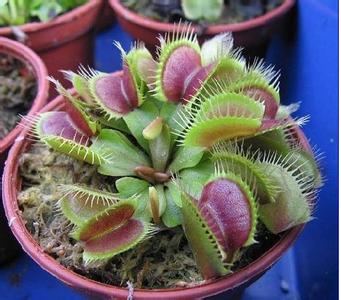
Detailed Guide to Venus Flytrap Cultivation Methods and Techniques
The Venus flytrap is a very popular carnivorous plant, possessing a complete set of roots, stems, leaves, flowers, and seeds. Its leaves are the most important and prominent part, with the function of catching insects; the appearance features obvious trigger hairs and red sessile glands, and its look resembles a ferocious gaping bloody maw
-
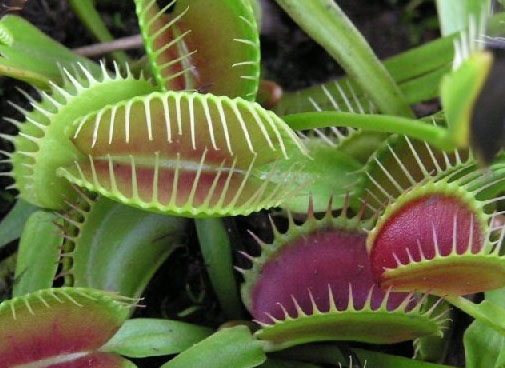
How to Grow Potted Venus Flytraps? Detailed Planting Method
The Venus flytrap (Dionaea muscipula) is a small carnivorous plant in the genus Dionaea, family Droseraceae. The genus contains only one species, native to the sandy bogs of southern North Carolina and northern South Carolina in the United States. The plant stays green all year round, with white flowers and a flowering period of 5-7 months.
-
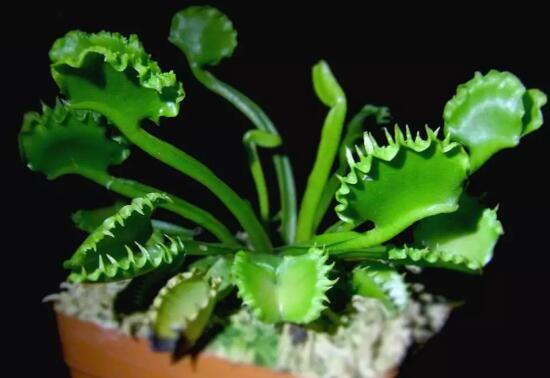
Venus flytrap benefits and effects: beautifies the home, purifies the environment, and offers fascinating insect-catching fun
Most people have heard of the Venus flytrap. It is a plant that can repel mosquitoes, and every summer it becomes a houseplant for many people. When it comes to the Venus flytrap, everyone thinks of its ability to catch flies, but besides catching insects, do you know its other benefits and effects? It does not matter if you do not
-
Why does the Venus flytrap move, and will a Venus flytrap die if it doesn't eat insects? The moving video is very satisfying
When it comes to the Venus flytrap, everyone knows it is a plant that can repel mosquitoes, but unlike mosquito-repellent geranium and night-blooming jasmine, which use fragrance to repel mosquitoes and insects, the Venus flytrap uses its large traps to snap insects to death. This raises a question: why does the Venus flytrap move? It is quite normal for a Venus flytrap to eat insects
-
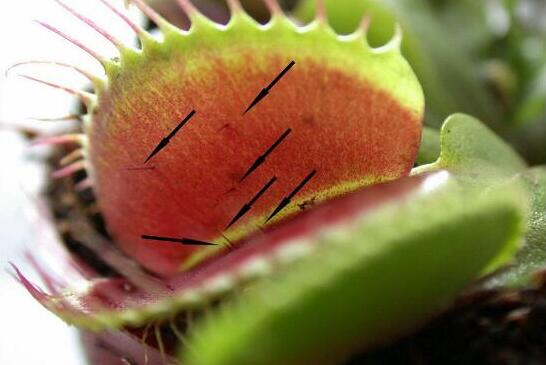
How to fertilize a Venus flytrap? Once every 15 days during the growing season, and feed it only live insects
As a plant that can repel mosquitoes, when kept indoors, the Venus flytrap eats insects to supplement its nutrients. However, the carcasses left after the Venus flytrap finishes eating insects inevitably hurt its appearance and can also cause hygiene problems, so it is better to provide nutrients to the Venus flytrap through fertilization. So how do you fertilize a Venus flytrap?
-
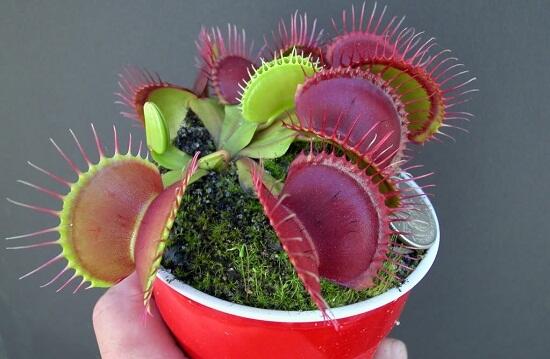
How to water a Venus flytrap? The tray method of care, split into outdoor growing and enclosed growing
The Venus flytrap is a plant that can repel mosquitoes. Keeping it indoors not only eliminates flies and insects in the home but also purifies the air. However, growing a Venus flytrap well is not easy, and watering is especially important. So how do you water a Venus flytrap? Below are Venus flytrap tray-method care tips and fertilizing methods.
-

How do you grow Venus flytraps with big traps? The pot needs to be deep, the light needs to be ample, and water and nutrients must not be lacking.
Every summer, to avoid the annoyance of flies and mosquitoes, people choose to keep a Venus flytrap at home, because it is a mosquito-repelling plant. It is said that the Venus flytrap's traps can catch small insects such as flies and mosquitoes. The bigger its traps, the better it catches insects. So how do you grow Venus flytraps with big traps? On this point,
条件筛选