-
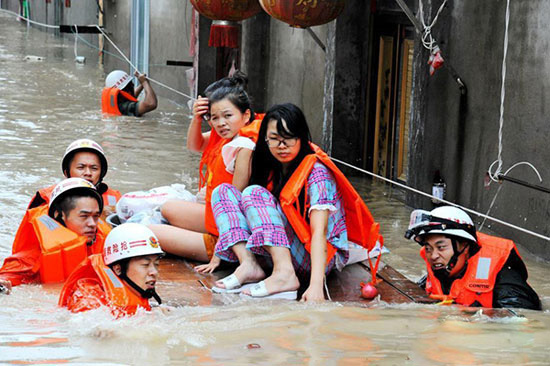
Typhoon Megi floods immigrant village in Fujian, over 300 people trapped
"Megi" floods an immigrant village in Fujian, over 300 people trapped
-
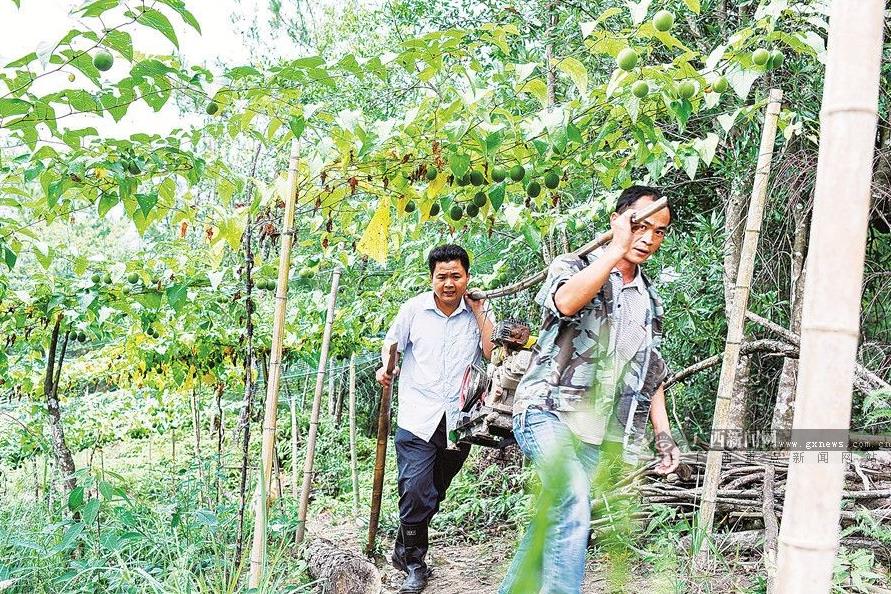
Poverty-alleviation fruit helps Ankang Village walk out of the poverty trap
The "poverty-alleviation fruit" of Ankang Village
-
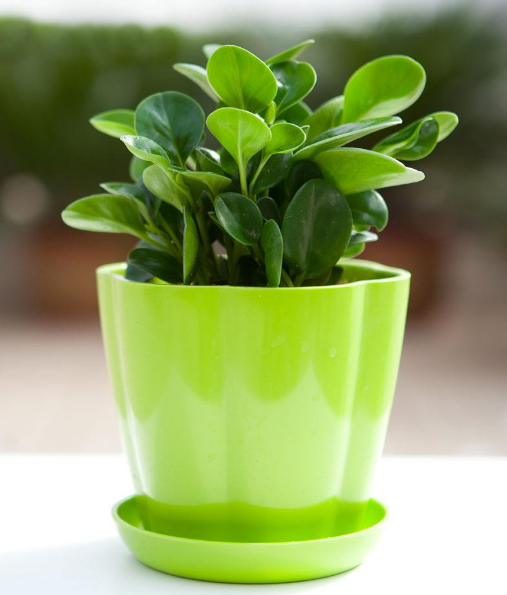
Detailed Guide to the Propagation and Pruning Methods of Peperomia tetraphylla
Peperomia tetraphylla is a beautiful foliage plant native to Venezuela. It is small and cute, elegant and dainty, fresh and natural. Place a pot beside your computer to relax your eyes; place a pot on the coffee table to freshen the air; place a pot on your desk to relax your mood. But how can one pot at home be enough? Take a look at the propagation methods and pruning methods of Peperomia tetraphylla.
-

How to control scarab beetles? Poison bait trapping works well
The copper-green scarab beetle (Anomala corpulenta) has a broad diet and can feed on citrus leaves, ripe peaches, grapes, and more, causing quite serious damage. Currently there is a lack of effective pesticides. For this reason, we used the poison bait trapping method and achieved very good results. When adult scarab beetles appear in large numbers from May to July, cut ripe watermelon (inferior melons also work) into several pieces, sprinkle a small amount of 3% carbofuran granules on the surface of the flesh, then place them separately in containers such as soil baskets and bamboo baskets, and set them on the forks of citrus trees. After a few days, large numbers of scarab beetles will be poisoned to death inside the watermelon. Replace the
-
How to Make a Loach Trap from a Mineral Water Bottle
Make a loach trap from old mineral water bottles to replace bamboo loach traps; it is economical and practical. The making process is described below: (1) Choose two mineral water bottles of the same color, shape and size, with a capacity of about 600 ml being suitable. Cut off the bottom of both bottles, and cut one of them off at the shoulder. Connect the two cut bottles into one long bottle, with the one that had only its bottom cut off on top and the one cut off at the shoulder on the bottom. At the joint, use a heated wire to drill 8~10 holes and weld them tight. (2) Choose a piece of
-
How effective is the Jiaduo frequency-vibration insect-killing lamp at trapping and killing the rice stem borer?
The rice stem borer is one of the important pests in rice production in Wuchang City. In recent years, with changes in rice varieties and warming climate conditions in our city, the occurrence and damage of the rice stem borer have become increasingly serious. According to this autumn's survey, for certain varieties in Wuchang, the average number of insects per 100 steps per mu reached more than 20,000, with the highest in key outbreak areas reaching 60,000, and in some cases more than 100,000. Such insect numbers are rare in history, whether domestically or abroad. In order to further control the damage of the rice stem borer, explore new approaches to its control, and reduce pesticide pollution of rice. This year our city set up at Sun Guanghao's field in Lianhua Village, Wuchang Town
-
How to Trap and Kill Japanese Beetles? A Full Guide to Practical Control Methods
Hang 1 light-colored glass bottle every 3 to 4 trees, such as a beer bottle or a wide-mouthed medicine bottle. Wash the inside of the bottle clean, catch 2 to 3 live Japanese beetles and put them into the bottle, tie a rope around the neck of the bottle, and fasten it to a fruit tree branch, with the bottle mouth 2 cm from the branch. Japanese beetles have a gregarious habit and will crawl into the bottle one after another. Once the bottle is full of beetles, take it down and scald them to death with hot water.
-
What are the excellent varieties of tetraploid black locust?
Tetraploid black locust was bred by the Forest Tree Breeding Research Institute of the Korea Forest Service and introduced to China in 1997. There are two types, the forage type and the timber type, with five excellent clones in total. Through regional cultivation trials by experts from our university, two excellent clones suitable for the arid and semi-arid regions of Northwest China were selected for two purposes: establishing high-quality forage forests and fast-growing, high-yield timber forests. While retaining the original advantages of black locust as a pioneer afforestation species, such as drought tolerance, tolerance to barren soil and salt-alkali tolerance, these excellent clones also have the following outstanding characteristics: (1
-
What kind of tree species is the tetraploid large-leaf black locust?
The tetraploid large-leaf black locust is a superior variety selected through years of dedicated research and experimental comparison from among several excellent polyploid black locust clones introduced from abroad. The tetraploid large-leaf black locust is an artificially induced tetraploid plant, characterized by fast growth, large leaves and high biomass. Its leaf width is more than 2 times that of the common black locust, and its compound leaf dry weight, single leaf dry weight and total leaf dry weight are 1.5 times or more those of the common black locust respectively. Compared with the common black locust, the tetraploid large-leaf black locust has a denser crown, thicker branches and a stronger photosynthetic capacity. Tetraploid
-
Detailed Introduction to New Tetraploid Black Locust Varieties
The tetraploid black locust (Robinia pseudoacacia) originated in South Korea and belongs to a new polyploid variety of black locust, introduced to China in recent years. Five lines have been introduced and cultivated so far, divided into two types: fast-growing timber type and forage type. Analysis of experimental results shows that, compared with common black locust clones, the tetraploid black locust has the following main characteristics: (1) The fast-growing timber type is similar to common black locust clones, but its fast growth is more pronounced. One-year-old grafted seedlings can reach a height of 3 m with a ground diameter of 3.5 cm; 3-year-old trees reach 5 m-7 m in height with a diameter at breast height of 6 cm-9 cm. An 18-year-old tree reaches 19 m in height with a diameter at breast height of 24.5 cm and a single-tree volume of 0.
条件筛选