-
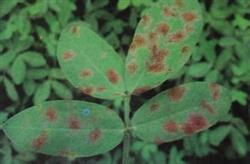
Prevent early defoliation in peanuts and take timely control measures
Peanut net blotch diseased leaves. Early defoliation in the late stage of peanut growth can seriously affect peanut yield. The main causes of early defoliation in the late stage are premature senescence of the plants and damage from leaf spot diseases (net blotch, brown spot, etc.). Peanuts sprayed with paclobutrazol and regulators containing this ingredient shed leaves earlier and more severely. Therefore, preventing early...
-
Persimmon trees need timely winter pruning when they enter the full fruit-bearing stage
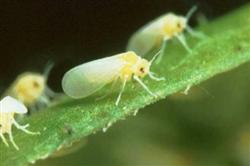
The pesticides suitable for controlling sweetpotato whitefly include acetamiprid, clothianidin, mineral oil, thiamethoxam (Actara), nitenpyram, pymetrozine, bifenthrin, abamectin, matrine, imidacloprid, chlorpyrifos, etc. These pesticides can be selected to control sweetpotato whitefly on persimmon trees. With long-term single-pesticide use, sweetpotato whitefly is prone to developing resistance...
-
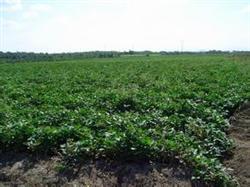
When is the best time to harvest sweet potatoes? Master the four key points of timely harvesting
Many farmers believe that growing sweet potatoes does not require fertilization, but this is actually a misconception. Only by mastering the correct fertilization methods can sweet potatoes be grown with high quality and high yield. Look at the seedling condition: during the branching and tuber-setting stage, the underground root network forms, the tubers begin to swell, and the ability to absorb fertilizer is strong. At this time, the sweet potato leaf area increases and photosynthetic efficiency rises...
-

Timely early transplanting of rice helps increase yield
As a supporting seedling-raising method for manual transplanting, the wet seedling-raising technique for rice is suitable for seedling raising across different regions, rice-growing seasons and different types of rice varieties, and is widely adopted in China. This technique is easy to operate, widely applied and highly adaptable; when mastered properly, it produces seedlings of good quality and high yield. 1. Seedbed preparation...
-
Timely Control Methods for the Loquat Yellow Hairy Caterpillar
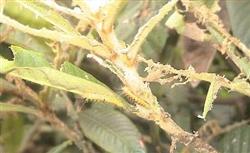
The adult of the loquat yellow hairy caterpillar is commonly known as the "upside-down butterfly." Its larvae feed on buds and tender leaves, and during outbreaks they also damage old leaves, the bark of tender stems, flowers and fruit. On damaged leaves, only the upper epidermis and veins remain. First-instar larvae of this pest are gregarious. From the second instar they begin to disperse and cause damage, and after the third instar their food consumption increases greatly. This pest is one of the most common and serious...
-
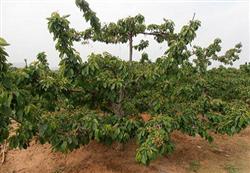
Autumn basal fertilization for sweet cherries is timely now, and fruit growers should not miss it
When it comes to the key points of autumn basal fertilization, the first thing to emphasize is "early." It is generally carried out in September-October, but early application in September gives the best results. This is because during this period the soil temperature is relatively high, the roots absorb fertilizer over a longer time, and the absorption rate is also fast. Once the fertilization timing is grasped, the application rate must also be increased...
-
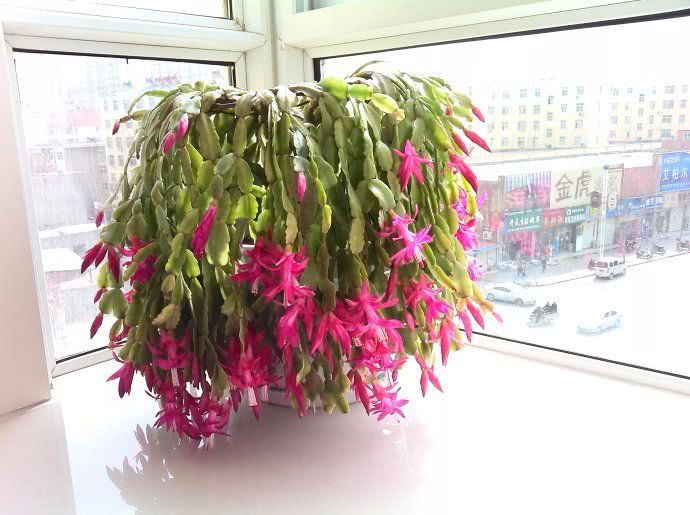
Autumn watering must be timely: water well and the recovering seedlings grow vigorously; water poorly and the seedlings easily die
Plants grow vigorously in autumn. If there is no timely rain, you still need to water them in time! But how exactly should you water after autumn begins, especially for plants that were dormant in summer? This first watering is very important! Yatou will introduce to everyone...
-
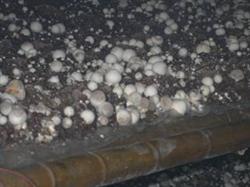
Summer cultivation of straw mushrooms is timely; the planting window must not be missed
1. Cultivation season: Straw mushrooms are a high-temperature mushroom species. The suitable temperature range for straw mushroom mycelium growth is 15-40°C, with the optimum temperature being 30-35°C. The fruiting body growth temperature is 26-34°C, with the optimum temperature being 28-30°C. Cultivation is generally carried out from June to August each year. 2. Cultivation materials: cottonseed hulls, rice straw, corncobs...
-
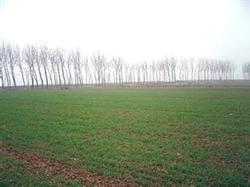
Wheat Suffering Low Temperatures in Spring Needs Timely Potassium Supplementation
To support the spring action on soil testing and formulated fertilization, experts from the Chinese Academy of Agricultural Sciences recently went to Gaocheng, Hebei, to conduct a follow-up survey of wheat growth. The survey found that due to low soil temperatures this spring, winter wheat in the region resumed growth 10 days later than in previous years. The first internode of the wheat was longer than in previous years, while the second internode had not yet developed well, and the stems were rather soft. ...
-
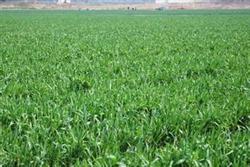
Timely potassium supplementation for spring wheat is crucial
Since the launch of the spring action for soil testing and formulated fertilization, soil and fertilizer experts from the Chinese Academy of Agricultural Sciences have taken active action, going deep into the fields to guide scientific fertilization. Recently, experts from the Chinese Academy of Agricultural Sciences went to Gaocheng, Hebei, to conduct a follow-up survey of wheat growth. The survey found that due to the low ground temperature this spring, the winter wheat in this area has turned green...
条件筛选