-
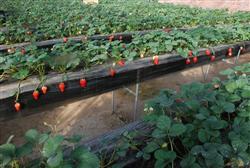
Five timely measures for spring strawberry management
Strengthening spring management is the key to promoting high quality, early ripening and increased yield in strawberries. The specific measures involve doing a good job of the "five timely actions." 1. Remove cold-protection covers in good time. The strawberry is a temperate evergreen plant, and its root system begins to grow when the soil temperature is 1°C to 2°C. In practice, generally when the air temperature is around 5°C, it is time to...
-
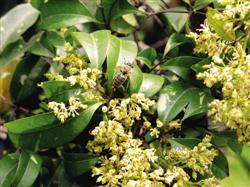
Apply timely fertilizer to late-flowering lychee trees; growers must not miss the timing
For lychee trees that have passed the Beginning of Spring and have not yet sprouted flower buds or produced flower spikes, apply a root drench of 600-800 times diluted amino acid active liquid fertilizer solution or 800-1000 times diluted humic acid active liquid fertilizer solution. For trees over 5 years old, drench 80-100 kg per tree, evenly applied to the surface soil under the canopy. At the same time, spray the leaves with...
-
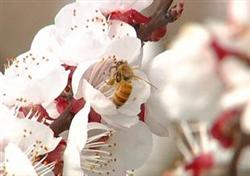
Technical key points for timely and proper pollination of apricot trees
Why do apricot trees often bloom profusely but rarely bear apricots? The main reason is poor pollination. To improve the fruit set rate of apricot blossoms, preparations must be made in advance and apricot blossom pollination must be done promptly, carefully and meticulously. For the main cultivars of apricot trees, choose varieties with natural pollination ability, a low rate of abortive flowers and a high natural pollination fruit set rate...
-
Persimmon trees need timely winter pruning when they enter the full fruit-bearing stage
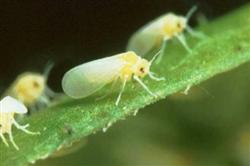
The pesticides suitable for controlling sweetpotato whitefly include acetamiprid, clothianidin, mineral oil, thiamethoxam (Actara), nitenpyram, pymetrozine, bifenthrin, abamectin, matrine, imidacloprid, chlorpyrifos, etc. These pesticides can be selected to control sweetpotato whitefly on persimmon trees. With long-term single-pesticide use, sweetpotato whitefly is prone to developing resistance...
-
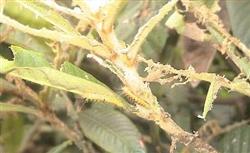
Timely Control Methods for the Loquat Yellow Hairy Caterpillar
The adult of the loquat yellow hairy caterpillar is commonly known as the "upside-down butterfly." Its larvae feed on buds and tender leaves, and during outbreaks they also damage old leaves, the bark of tender stems, flowers and fruit. On damaged leaves, only the upper epidermis and veins remain. First-instar larvae of this pest are gregarious. From the second instar they begin to disperse and cause damage, and after the third instar their food consumption increases greatly. This pest is one of the most common and serious...
-
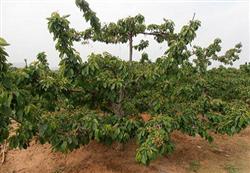
Autumn basal fertilization for sweet cherries is timely now, and fruit growers should not miss it
When it comes to the key points of autumn basal fertilization, the first thing to emphasize is "early." It is generally carried out in September-October, but early application in September gives the best results. This is because during this period the soil temperature is relatively high, the roots absorb fertilizer over a longer time, and the absorption rate is also fast. Once the fertilization timing is grasped, the application rate must also be increased...
-
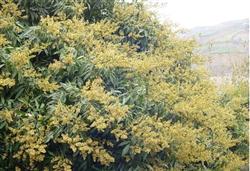
Early fruit retention for lychee and longan: timely management to reduce fruit drop
Lychee downy blight mainly harms flower panicles and fruit, causing panicles to dry up, young fruit to drop, and ripe fruit to rot and deteriorate. After temperatures rise in early spring, it first infects flower panicles, then young fruit and ripe fruit. If the occurrence and infection of this disease cannot be controlled before flowering, then young fruit and ripe fruit will be damaged...
条件筛选