-
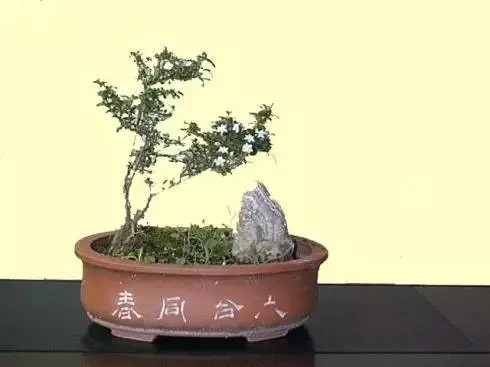
Detailed explanation of Serissa bonsai styling techniques to help you create a beautiful bonsai
Serissa is often propagated by division in March of spring, and branch cuttings or root cuttings can be done at any time from February to October. If protected cultivation (seedbed) is used, cuttings can be taken from November to January of the following year. After cuttings, pay attention to shading, heat preservation, and moisture retention; the survival rate is very high. 2-3 year old seedlings can begin to be shaped.
-
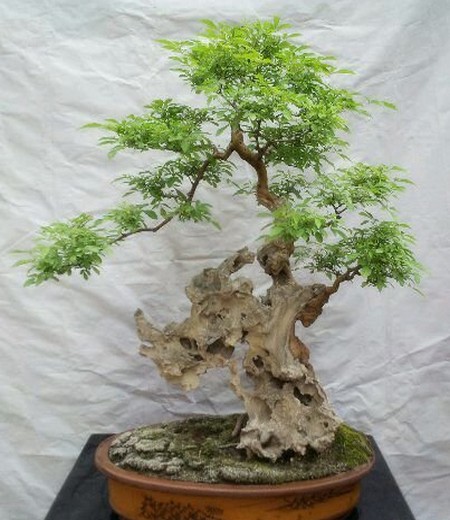
Detailed explanation of the styling methods for Vitex negundo bonsai, teaching you how to create a beautiful tree shape
Vitex negundo, also known as yellow vitex twig, is widely distributed in China and has extremely strong vitality. It is one of the commonly used miscellaneous tree species for making bonsai. It is highly adaptable and not demanding on soil. For potted Vitex negundo, loose-textured, well-draining humus soil is best, and the planting pot should preferably be a clay pot or cement pot. Before planting
-
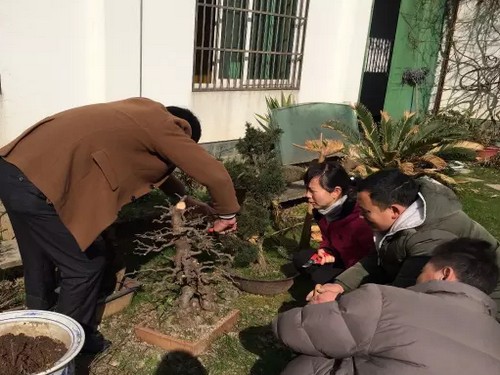
Detailed Explanation of Bonsai Pruning Techniques: Prune This Way for a More Beautiful Tree Shape
Bonsai pruning is synonymous with the means of shaping potted trees. Although there are also techniques such as wiring, pulling and hanging, guying, carving, and grafting, they are often conventionally grouped under pruning. As the main means of bonsai styling, it not only incorporates related techniques but also embodies styling concepts and compositional creativity within the "cut."
-
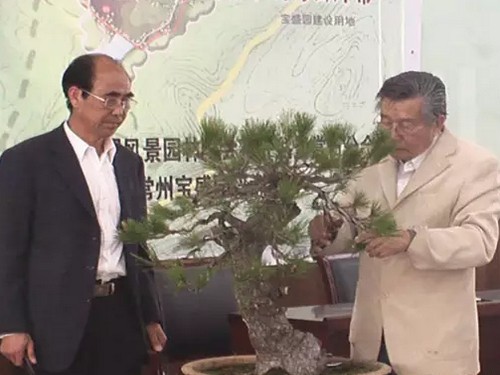
Pine Bonsai Styling Techniques: A Guide to Help You Create a Beautiful Tree Form
Every living thing in nature is influenced by other living things, and people intervening in the growth of pine trees through technical means is one expression of this influence. Even today, this phenomenon still exists, and this is the prevalence of potted plants. Pine trees hold a very good meaning in traditional Chinese culture, symbolizing a firm and resolute character
-
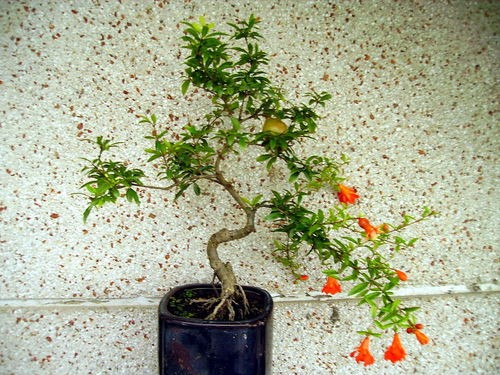
Detailed Guide to Shaping and Pruning Pomegranate Bonsai: Prune Your Way to a Beautiful Tree Form
Shaping and Pruning Because pomegranate branches are fine, dense and tangled, pruning is needed to achieve an attractive plant shape. Generally, pomegranate can be trained into a single-trunk round-headed or flat-topped form; it can also be trained into a clump-forming spreading shape; and it can also be made into bonsai pomegranate. Use thinning and heading cuts to remove dead branches, water sprouts, crossing branches, diseased and weak branches, and dense angular
-
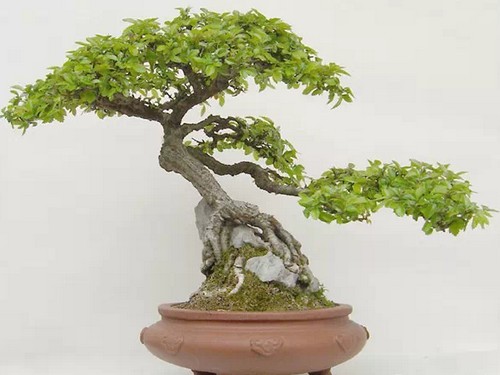
A detailed guide to shaping Chinese elm bonsai to create a beautiful tree form
When buying a Chinese elm bonsai, you must carefully examine the trunk. The fresher the raw trunk material, the better. Do not assume that a withered, decayed trunk has more charm. Some even have poorly developed root systems. Beginners should first keep the Chinese elm alive, then gradually shape it! The processing and shaping of Chinese elm can be carried out by combining pruning with wiring.
-
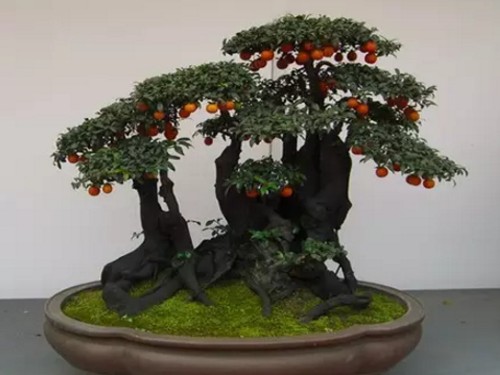
Detailed explanation of fruit tree bonsai shaping techniques, easily create beautiful bonsai
Fruit tree bonsai has the characteristics of both form and fruit, dazzling and radiant, with ornamental value in all four seasons: delicate flowers in spring, luxuriant branches and leaves in summer, abundant fruit in autumn, and upright and vigorous in winter, full of life's charm. Fruit tree bonsai should have a certain shape and artistic conception. According to fruit tree species and variety characteristics
-
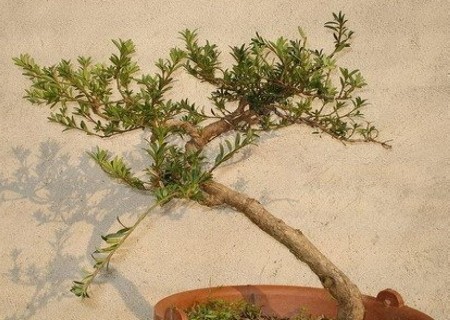
Podocarpus bonsai styling illustrated guide, teaching you to prune a beautiful tree shape
Generally speaking, any tree shape can be styled; in fact, there are no restrictions on trunk diameter or thickness, or on how the branches divide, but how beautifully it is shaped depends 70% on the skill of the horticultural stylist and 30% on later maintenance. If either part is missing, it is very difficult to produce an exquisitely styled, superior Podocarpus bonsai.
-
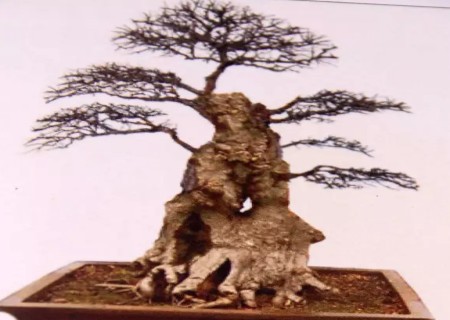
Illustrated Guide to Bonsai Branch Development Methods: A Step-by-Step Tutorial to Grow Beautiful Shapes
Everyone knows that the beauty of a bonsai's shape must be achieved through pruning, the most commonly used technique, but before pruning, we must first grow the plant's branches strong and vigorous. So how do you develop and grow branches on a bonsai? Below, the editor shares an article with an illustrated guide to bonsai branch development methods.
-
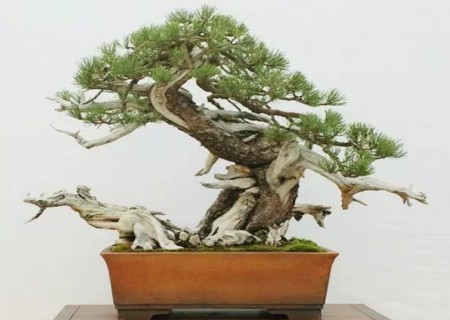
Detailed explanation of pine bonsai styling techniques, easily create a beautiful tree shape
Pine bonsai works are created with grandeur and masculine energy as their main expressive characteristics. They love sunlight yet have strong drought tolerance, and prefer to grow in soil environments with excellent breathability and drainage. The styling process of pine bonsai is a process of completing artistic creation
条件筛选