-
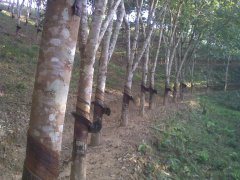
The Harm of Rubber Tree Monoculture and the Causes of Soil Erosion
The rubber tree is an economic tree, so many people plant this kind of tree, but you may not know that planting rubber trees can lead to soil erosion. Why is that? The reason is monoculture. So what other harms does rubber tree monoculture have? Rubber mono
-
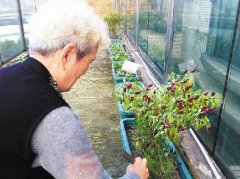
Kitchen waste as organic fertilizer for growing vegetables: eco-friendly, healthy, and it improves the soil
A new method for handling kitchen waste is here. Through "hugelkultur / deep soil planting," raw kitchen scraps and fallen leaves are converted into nutrients plants can use, which not only solves the problem of disposing of raw kitchen waste and rice straw, but also grows vegetables with zero pesticide residues. The garbage problem is getting worse, and
-
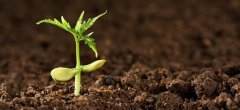
Growing Conditions for Flower Bed Plants and the Effect of Soil pH
The key to successful and trouble-free gardening is choosing plants that best suit your garden's conditions. Plan your home garden to match the most important features of your property - sunlight and soil. Plants rely on light as an energy source for growth, flowers and fruit. The garden bed receives
-
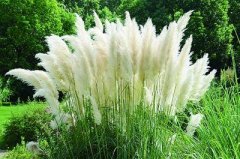
Physical Characteristics of Feather Reed Grass and Soil Requirements of Its Growing Regions
What is feather reed grass? Feather grass is a clump-forming ornamental grass with many varieties. It is a deciduous plant, but it is the first among the family to show foliage in early spring. Feather reed plants may grow to 3 to 5 feet tall and in June produce an inflorescence that starts green and slowly
-
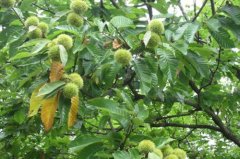
How to plant and care for chestnut trees so they are easy to grow? Learn about the planting history and soil requirements
Since at least 2000 BC, chestnut trees have been cultivated for their starchy nuts for thousands of years. In the past, the nuts have always been an important source of food for humans, used to make flour and as a substitute for potatoes. Currently, 9 different chestnut tree species are grown in temperate regions around the world. All are deciduous trees belonging to the beech family, such as oaks and beeches. If you are considering growing chestnut trees, keep reading for information on chestnut tree care.
-
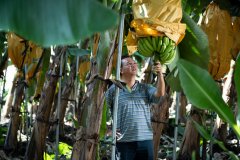
Fighting Banana Yellow Leaf Disease: Taiwan, China Pioneers Tissue-Cultured Plantlets with Tai Chiao No. 1, Banana Farmers Figure Out the Logic from the Soil
Banana's incurable disease, yellow leaf disease, has taken root in Taiwan, China for more than 50 years. Taiwan, China's leader in banana research, the Taiwan Banana Research Institute, has repeatedly set world precedents, developing tissue-cultured banana plantlets and multiple disease-resistant banana varieties and earning international fame, while professional banana farmers have developed a set of soil-improvement,
-

What are the key techniques and benefits of soilless vegetable cultivation?
With the development of agricultural modernization, planting models have also changed greatly. For example, soilless vegetable cultivation is very popular now. So what are the key techniques of soilless vegetable cultivation? What are the benefits of soilless cultivation? 1. Key techniques of soilless vegetable cultivation Vegetables
-
A Detailed Explanation of the Key Techniques for Soilless Vegetable Cultivation
The common methods of growing vegetables are open-field or greenhouse cultivation, both of which cannot do without soil. With the development of cultivation technology, soilless vegetable cultivation has also gradually become popular. It not only shortens the time to market and lowers cultivation costs, but can also achieve high yields. It is a
-
What soil is best for growing Haworthia cooperi in northern China? Soil mix methods explained
Haworthia cooperi is a succulent plant in the genus Haworthia of the family Asphodelaceae. Its fleshy leaves are arranged in a rosette, and the leaf color is translucent like jade, making it look very attractive. Many people want to grow it. So, what soil is used for growing Haworthia cooperi in northern China? 1. What soil is used for growing Haworthia cooperi in northern China? In northern China, Haworthia cooperi can be grown with
-
When should chives be transplanted, and can they be grown without soil?
Chives are a vegetable with a distinctive smell, and consumers vary in how much they accept it; some love eating them, while others cannot stand the smell. Chives are grown in every part of our country and have a very high adaptability to the environment, making them a very suitable vegetable for lazy gardeners.
条件筛选