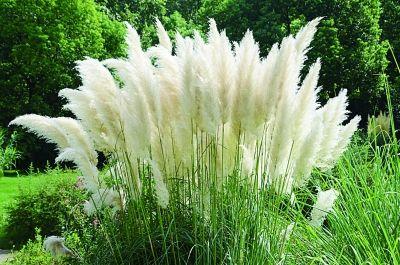
Physical Characteristics of Feather Reed Grass and Soil Requirements of Its Growing Regions
What is feather reed grass? Feather grass is a clump-forming ornamental grass with many varieties. It is a deciduous plant, but it is the first among the family to show foliage in early spring. Feather reed plants may grow to 3 to 5 feet tall and in June produce an inflorescence that starts green and slowly
What is feather reed grass? Feather grass is a clump-forming ornamental grass with many varieties. It is a deciduous plant, but it is the first among the family to show foliage in early spring. Feather reed plants may grow to 3 to 5 feet tall and in June produce an inflorescence that starts green and slowly turns purple or pink. The flower heads turn into grainy seeds within a few days. These grain heads can last into winter, but gradually scatter from the stems.
Growing feather reed grass: feather reed ornamental grass is suitable for USDA plant hardiness zones 4 to 9. They are very well suited to wet or dry areas with full to partial sun. This wonderful plant requires almost no special care, and its site requirements are very diverse. Choose a spot with moist, rich soil for best performance, but the plant can also tolerate dry, poor soil. In addition, feather reed ornamental grass can withstand heavy clay. Divide the crowns in late winter to early spring. Growing feather reed grass from seed is not recommended. The seeds are usually sterile and will not germinate.
Feather Reed Grass Care
This plant has almost no pest or disease problems, and feather reed grass care is easy and minimal. These grasses are very flexible about location and soil conditions and are resistant to pests and diseases, and their limited requirements make them ideal for urban or container gardeners.
Young seedlings need watering until they are established, but mature grasses can withstand long droughts. If the soil is poor, fertilize in early spring with a balanced plant food.
Feather reed ornamental grass should be pruned so that in spring new foliage soars above the crown. After three years, divide mature plants for better growth and to produce new plants.